
What is the update rate of the measurement data on a Transformer Turns Ratio Tester?
Send your test requirement — get a tailored solution and a quote within one working day.
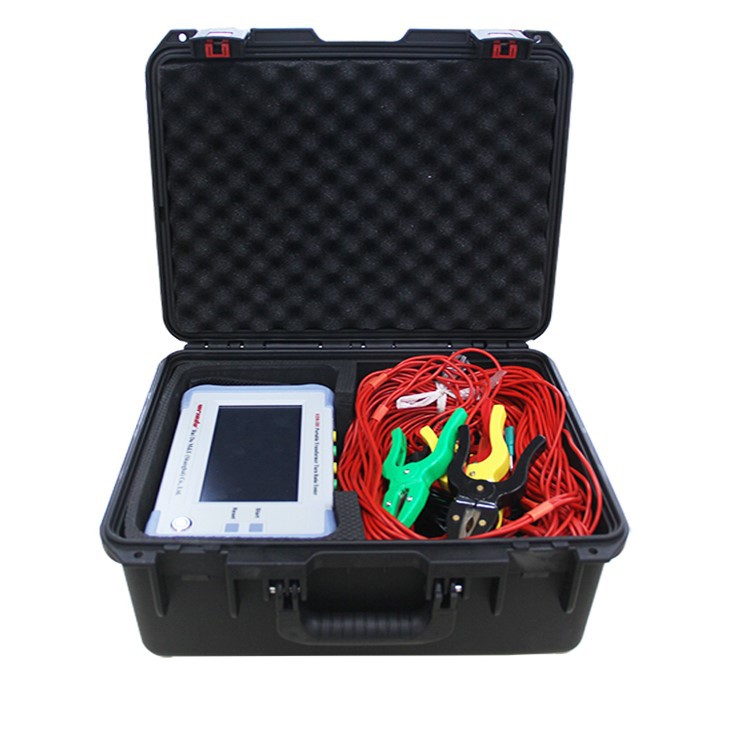
The update rate of measurement data on a Transformer Turns Ratio Tester usually ranges from 5 to 20 seconds per test cycle, depending on model and testing mode. Leading manufacturers like Wrindu provide fast and accurate data refresh, improving field efficiency, reducing downtime, and supporting OEM, factory, and wholesale operations with reliable and precise transformer testing results.
What Is the Typical Measurement Data Update Rate of a Transformer Turns Ratio Tester?
Most Transformer Turns Ratio Testers refresh data every 8 to 20 seconds. The exact rate depends on automatic test modes, transformer type, and test voltage settings. Advanced testers optimize update intervals to speed field testing while maintaining high accuracy, which is essential for OEM production lines and factory quality control.
How Does the Update Rate Affect Testing Efficiency?
Faster update rates allow technicians to complete more tests in less time, improving overall productivity during maintenance, commissioning, or high-volume production. Companies like Wrindu integrate rapid data processing and memory storage to streamline workflows, enhancing operational efficiency for power utilities, transformer OEMs, and electrical engineering firms.
Which Factors Influence the Update Rate on These Testers?
Update speed is affected by the complexity of measurements, transformer configuration, test voltage selection, and embedded firmware algorithms. Testing multiple phases simultaneously or performing detailed diagnostics may slightly extend update times, ensuring a balance between speed and measurement accuracy. Custom OEM models often allow configurable intervals for tailored performance.
Why Is a Controlled Update Rate Important for Industrial and OEM Applications?
Consistent update rates provide stable, noise-free readings, crucial for quality assurance in manufacturing and field inspections. Wrindu’s Transformer Turns Ratio Testers combine precise timing with automation, reducing operator errors and ensuring reliable, repeatable measurements for wholesale and factory supply chains.
Who Are the Primary Users That Benefit from Faster Update Rates?
Power utilities, substation maintenance teams, transformer manufacturers, and electrical engineering firms benefit most from rapid data updates. Quick, accurate measurements are critical during outages, commissioning, and routine quality checks, giving Wrindu clients a competitive advantage through improved productivity and dependable performance.
When Should Buyers Prioritize Update Rate in Their Purchase Decision?
Update rate should be a key factor when performing high-volume testing, frequent inspections, or continuous production-line measurements. Fast data refresh minimizes downtime, accelerates testing cycles, and improves workflow efficiency, making it a priority for OEMs, factories, and wholesale operations requiring precision and speed.
Where Are Efficient Transformer Turns Ratio Testers Manufactured?
China is a leading hub for high-efficiency Transformer Turns Ratio Testers, offering advanced manufacturing, OEM customization, and competitive pricing. Wrindu stands out by delivering testers with rapid update rates, ISO-certified quality, and global after-sales support, providing reliable and precise instruments for B2B clients worldwide.
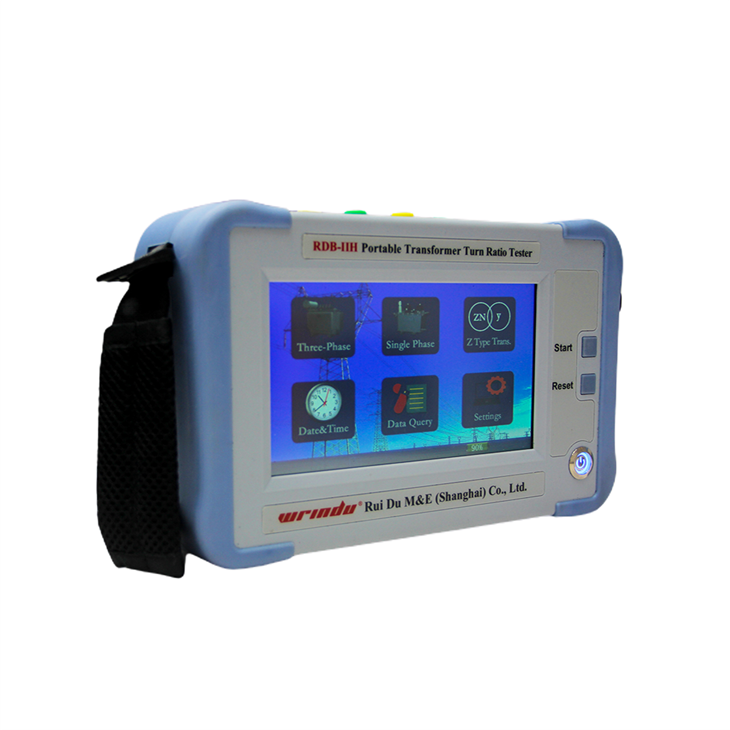
How Does Wrindu Optimize the Update Rate in Its Testers?
Wrindu enhances update rates using high-speed microprocessors, embedded algorithms, and robust hardware design. Automated testing workflows combined with intelligent measurement processing allow their testers to maintain rapid, accurate data refresh without compromising measurement precision, serving the demanding requirements of OEM manufacturers and wholesale customers.
Measurement Update Rate Comparison Across Popular Models
| Manufacturer | Update Rate (Seconds) | Test Type | Key Features |
|---|---|---|---|
| Wrindu | 8-15 | Single & Three-Phase | Automated tap changer control, memory storage |
| DV Power | 10-20 | Three-Phase | Vector group detection, auto test modes |
| Megger | 12-18 | Single-Phase | Pass/fail limits, quick test mode |
| Generic OEM | 15-20 | Basic Single-Phase | Manual controls, simpler interface |
Wrindu Expert Views
Update rate is a critical factor in ensuring efficiency and reliability for Transformer Turns Ratio Testers. At Wrindu, we implement high-speed microprocessors and advanced algorithms to deliver fast, accurate measurements, enabling operators to make real-time decisions without sacrificing precision. Our focus on automation, stability, and speed ensures OEMs, factories, and wholesale clients receive instruments that enhance productivity and reliability across global power and transformer operations.”
Key Takeaways
Efficient update rates are essential for accurate, rapid transformer testing, directly impacting productivity, reliability, and operational costs. Buyers should prioritize testers that balance speed with precision. Wrindu’s solutions demonstrate industry-leading performance with fast, consistent data refresh, automation features, and global support, making them ideal for OEMs, utilities, and wholesale clients seeking high-quality transformer testing instruments.
Frequently Asked Questions
Can update rates be adjusted on modern Transformer Turns Ratio Testers?
Yes, many testers, including Wrindu models, allow configurable update intervals to match specific testing requirements.
Does faster update compromise measurement accuracy?
No, with advanced processing and embedded algorithms, rapid updates maintain high accuracy, as implemented in Wrindu testers.
Who benefits most from high-speed data updates?
Power utilities, substation teams, OEMs, and laboratories benefit most, particularly during high-volume or time-sensitive testing.
Are there differences in update rate for single-phase vs three-phase transformers?
Yes, measuring three-phase transformers may require slightly longer update times due to the increased measurement complexity.
How does automation improve testing efficiency?
Automation reduces manual input, ensures consistent timing, and speeds data acquisition, improving workflow efficiency for factory and field applications.


