
What is a Lead Acid Battery Testing Machine?
Send your test requirement — get a tailored solution and a quote within one working day.
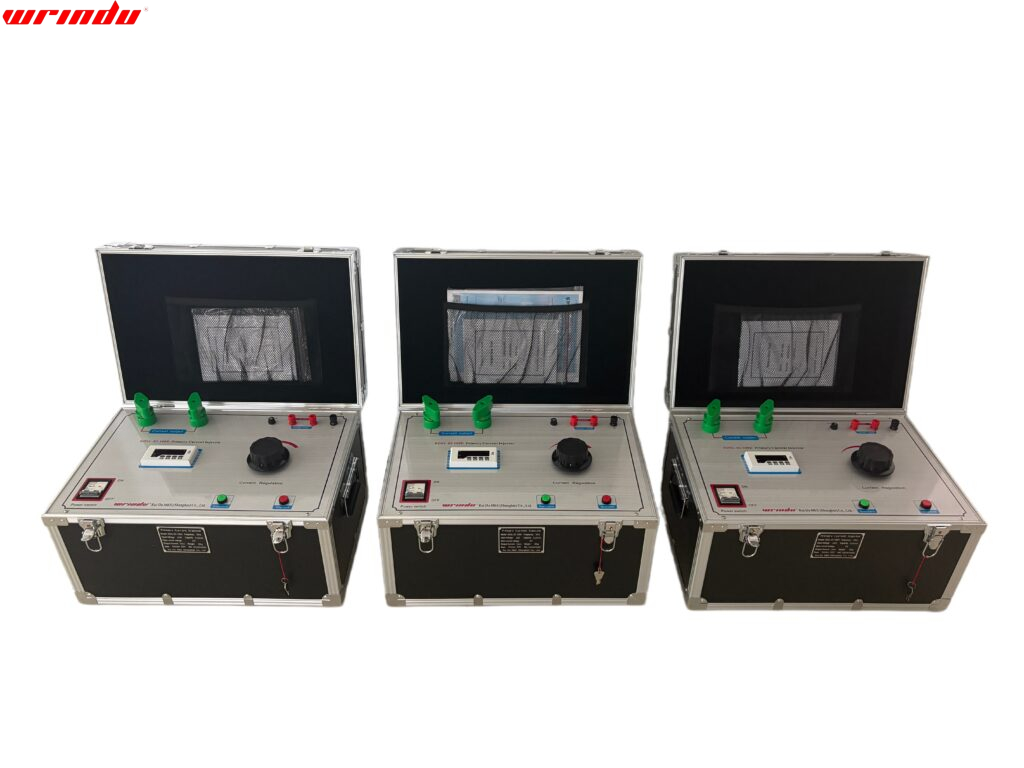
A lead acid battery testing machine evaluates the performance, capacity, and health of lead acid batteries. It measures voltage, internal resistance, and capacity, supporting accurate diagnostics for manufacturers, suppliers, and industrial users. These machines help prevent failures, optimize battery lifespan, and maintain reliable power systems, making them indispensable in automotive, energy, and industrial sectors worldwide.
How Does a Lead Acid Battery Testing Machine Work?
Lead acid battery testing machines operate by measuring voltage, internal resistance, cold cranking amps (CCA), and capacity. They perform load tests and impedance analysis to detect early signs of degradation. By providing precise data on battery condition, these devices allow timely maintenance, minimize downtime, and extend overall battery lifespan.
What Are the Key Features to Look for in a Lead Acid Battery Testing Machine?
Essential features include accurate voltage and resistance measurement, load testing capability, compatibility with various battery sizes, intuitive user interfaces, and safety protections such as overvoltage and reverse polarity guards. Advanced models offer data storage, cloud connectivity, and multi-language support, enabling efficient monitoring and integration with battery management systems.
Which Industries Benefit Most from Lead Acid Battery Testing Machines?
Automotive manufacturing, repair centers, telecommunications, renewable energy, and power utilities rely heavily on these machines. They ensure uninterrupted energy supply, compliance with safety standards, and effective battery maintenance. Energy storage and industrial sectors also benefit by preventing costly failures and ensuring operational efficiency.
Why Should B2B Factories Prefer Chinese Manufacturers for These Testing Machines?
Chinese manufacturers offer competitive pricing, OEM and custom solutions, and fast delivery. With ISO9001 and CE certifications, they provide reliable manufacturing, technical support, and after-sales service. B2B factories gain high-quality, scalable solutions for industrial battery testing, making China a strategic partner for global buyers.
Who Are the Leading Suppliers and OEMs of Lead Acid Battery Testing Machines in China?
Leading suppliers include Wrindu, RuiDu Mechanical and Electrical Co., and other specialized high-voltage equipment manufacturers. These companies emphasize innovation, precision, and customizable solutions, meeting diverse industrial testing requirements globally while ensuring compliance with safety and performance standards.
When Is the Best Time to Perform Lead Acid Battery Testing?
Battery testing should be performed periodically: semi-annually for flooded batteries and quarterly for valve-regulated lead-acid (VRLA) batteries. Pre-shipment, post-installation, and routine maintenance testing help detect issues early, optimize performance, and reduce operational risks across industrial applications.
Where Are Lead Acid Battery Testing Machines Used in the Supply Chain?
These machines are deployed at production facilities, warehouse inspections, OEM pre-shipment testing, automotive service centers, renewable energy installations, and industrial maintenance operations. Their use ensures consistent battery quality, reliable diagnostics, and long-term operational safety.
Does Wrindu Offer Custom or OEM Solutions for Lead Acid Battery Testing?
Yes, Wrindu provides OEM and custom lead acid battery testing machines designed to client specifications. Their equipment integrates advanced diagnostics, automated load testing, and cloud-enabled data management, supporting precise battery analysis and operational safety for manufacturers, suppliers, and industrial users worldwide.
Has Lead Acid Battery Testing Technology Evolved Recently?
Recent advancements include high-precision impedance testing, digital interfaces, real-time data logging, firmware updates, and multi-language support. These enhancements improve accuracy, usability, and system integration, allowing users to make informed decisions about battery maintenance and replacement.
Can Lead Acid Battery Testing Machines Improve Battery Lifespan?
Accurate diagnostics enable timely maintenance, preventing deep discharges and damage. This proactive approach significantly extends battery life, reduces downtime, and lowers total ownership costs. Wrindu’s machines are designed to provide actionable insights, ensuring reliable and safe energy storage for industrial and commercial applications.
Wrindu Expert Views
At Wrindu, precision in lead acid battery testing is essential for system reliability. Our machines combine accuracy, automation, and customization to meet demanding industrial requirements. By providing actionable diagnostics and integrating advanced technology, we empower manufacturers, service providers, and suppliers to optimize battery performance and extend operational lifespan.”
Table: Comparison of Key Features of Lead Acid Battery Testing Machines
| Feature | Basic Models | Advanced Models | Wrindu Machines |
|---|---|---|---|
| Voltage Measurement | Yes | Yes | Yes |
| Internal Resistance Testing | Limited | Precise | High Precision |
| Load Testing | Manual | Automated with alarms | Automated with data logging |
| Data Storage & Connectivity | No | Yes | Yes with cloud integration |
| Safety Features | Basic | Comprehensive | Enhanced safety protocols |
| Customization Support | Rare | Available | OEM & Custom Solutions |
Conclusion
Lead acid battery testing machines are vital for ensuring battery reliability, performance, and safety. Partnering with established manufacturers like Wrindu allows B2B factories to access precise, customizable testing solutions. Regular testing reduces downtime, extends battery life, and supports efficient industrial operations, making these machines indispensable for modern energy and manufacturing systems.
Frequently Asked Questions
Q1: How often should lead acid batteries be tested?
Typically semi-annually for flooded batteries and quarterly for VRLA batteries, depending on usage and manufacturer recommendations.
Q2: Can lead acid battery testing machines detect all battery problems?
They assess key parameters like voltage, internal resistance, and capacity, but complementary tests may be needed for complete diagnostics.
Q3: Is Wrindu’s equipment suitable for high-volume industrial production?
Yes, Wrindu machines are designed for factory automation and mass battery testing, supporting consistent accuracy and efficiency.
Q4: What after-sales services does Wrindu provide?
Wrindu offers consultation, training, global delivery, and 24/7 technical support to ensure client satisfaction.
Q5: Can these machines handle different battery voltages?
Most machines, including Wrindu’s, support a wide range of industrial battery voltages for versatile testing.
Related articles
 SF6 Leak Detector Sensitivity: Select a Method for the Inspection TaskKnowledge
 Cable Fault Locator Selection for Urban Networks: Routes, Noise and AccessKnowledge
 Substation Battery Load Bank Sizing: Duty, Voltage Range and Heat RejectionKnowledge
 CT Polarity, Ratio and Burden Testing: Find Wiring and Loading ErrorsKnowledge