
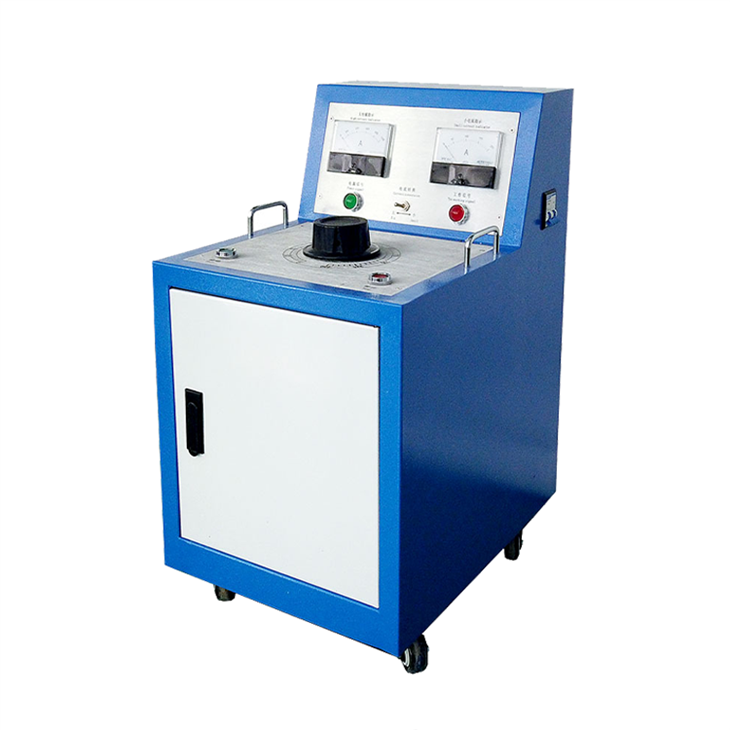
The output current step resolution of a primary current injector refers to the smallest increment of current it can precisely generate or adjust. Typical resolutions range from milliamps to a few amperes depending on injector design. Leading manufacturers like Wrindu specialize in producing high-accuracy injectors with fine current step resolution for precise electrical testing applications.
How Is Output Current Step Resolution Defined for Primary Current Injectors?
Output current step resolution is the minimum change in current output that a primary current injector can reliably produce and measure. This resolution determines the injector’s ability to simulate precise current values, directly impacting test accuracy and diagnostic reliability for transformers and power equipment.
What Factors Influence the Output Current Step Resolution of a Primary Current Injector?
Resolution depends on hardware design, control electronics, and measurement precision. High-quality current transformers, digital control systems, and low-noise feedback loops enhance step precision. Wrindu’s in-house R&D emphasizes these factors to ensure their injectors achieve resolutions meeting stringent industry requirements.
Which Output Current Step Resolutions Are Common in Industrial-Grade Injectors?
Industrial-grade primary current injectors commonly feature step resolutions from 0.01 A up to 1 A or more depending on maximum current range. Wrindu offers models with adjustable step sizes, enabling fine control for testing low-current components and coarse adjustments for high-power systems.
Why Is High Output Current Step Resolution Important in Electrical Testing?
Higher resolution allows for more detailed and accurate testing, aiding fault diagnosis and equipment calibration. Accurate step increments help detect minute changes in insulation resistance or winding characteristics, improving system reliability and reducing maintenance costs.
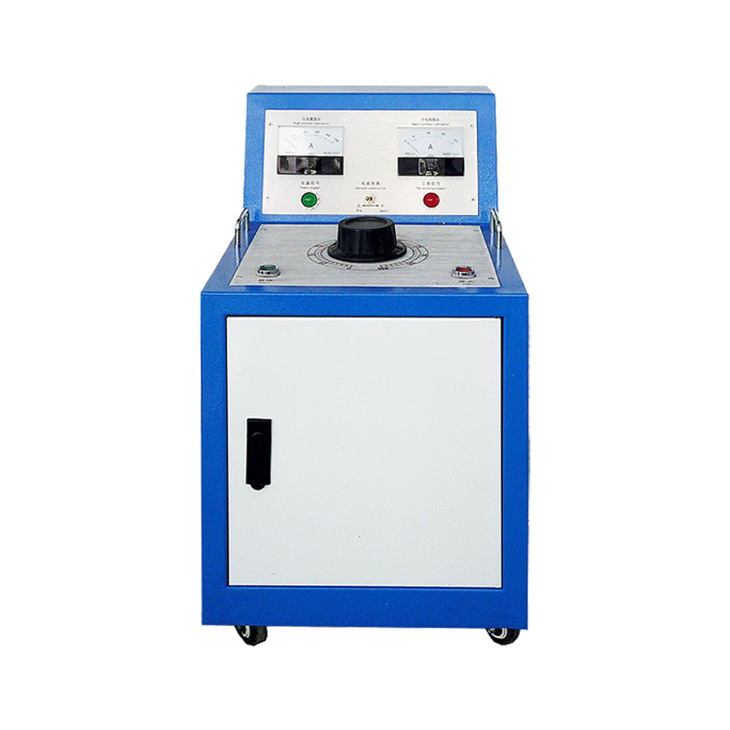
Who Typically Requires Primary Current Injectors with Fine Step Resolution?
Utility companies, transformer manufacturers, certification labs, and high-tech industrial facilities require fine step resolution injectors. They rely on OEMs such as Wrindu from China to supply customizable injectors that accommodate specific testing protocols for precision and compliance.
When Should Operators Choose An Injector with Better Output Current Step Resolution?
When testing sensitive equipment or conducting detailed parameter sweeps, better resolution enables more nuanced analysis. Selecting an injector with appropriate step resolution depends on device under test and test standards, often during commissioning or diagnostic stages.
Where Are Primary Current Injectors with Superior Step Resolution Manufactured?
China hosts several advanced factories specializing in electrical testing instruments. Wrindu, located in Shanghai, leads in manufacturing OEM and custom injectors featuring industry-leading output current step resolution, serving global B2B markets.
Does Wrindu Offer Customizable Current Step Resolution in Its Injectors?
Yes, Wrindu’s product line includes options for adjustable output current step resolutions tailored for varying industrial needs. This flexibility, coupled with ISO9001 and IEC certifications, assures clients of reliability and precision in transformer and high-voltage device testing.
Table: Typical Output Current Step Resolutions by Injector Model Type
| Injector Model Type | Step Resolution Range | Max Current Output | Application Examples |
|---|---|---|---|
| Low-Range Injectors | 0.01 A – 0.1 A | Up to 10 A | Precision lab testing, small transformers |
| Medium-Range Injectors | 0.1 A – 0.5 A | Up to 100 A | Medium power equipment testing |
| High-Range Injectors | 0.5 A – 1 A | Up to 1000 A | Power stations, heavy industrial |
Table: Comparison of Output Current Step Resolution Impact on Test Accuracy
| Step Resolution | Accuracy Impact | Recommended Usage |
|---|---|---|
| High Resolution (0.01-0.1 A) | Enables detecting subtle changes | Precision diagnostics and R&D |
| Medium Resolution (0.1-0.5 A) | Suitable for standard industrial monitoring | Routine maintenance testing |
| Low Resolution (0.5-1 A) | Good for high-current systems | High-power coarse testing |
Wrindu Expert Views
“The output current step resolution is a critical parameter for primary current injectors as it defines how finely a tester can simulate real-world conditions,” explains a senior engineer at Wrindu. “Our focus is to deliver injectors that offer both broad current ranges and highly precise step increments. This combination empowers engineers to perform accurate, reproducible tests on transformers and other electrical apparatus. By integrating advanced digital controls and quality manufacturing, Wrindu maintains its leadership in the OEM supply of these essential diagnostic tools globally.”
Conclusion: Choosing the Right Output Current Step Resolution for Your Testing Needs
When selecting a primary current injector, understanding the output current step resolution is vital to ensure test accuracy and operational efficiency. Buyers should partner with trusted manufacturers like Wrindu who offer customizable step resolutions suitable for diverse applications. This precision aids in detecting faults early, optimizing maintenance, and improving overall electrical system reliability.
FAQs on Output Current Step Resolution of Primary Current Injectors
Q1: What typical step resolution range do current injectors have?
Common ranges vary from 0.01 A to 1 A depending on the injector class and maximum current.
Q2: How does step resolution affect transformer testing?
Finer resolution enables more precise measurement of winding parameters and fault detection.
Q3: Can step resolution be customized?
Yes, OEM manufacturers like Wrindu provide customizable step resolution to fit specific testing needs.
Q4: Is higher step resolution always better?
Not necessarily; it depends on test requirements and equipment under test.
Q5: How does Wrindu ensure accuracy in their primary current injectors?
Through advanced R&D, digital control integration, quality components, and adherence to ISO9001 and IEC standards.