
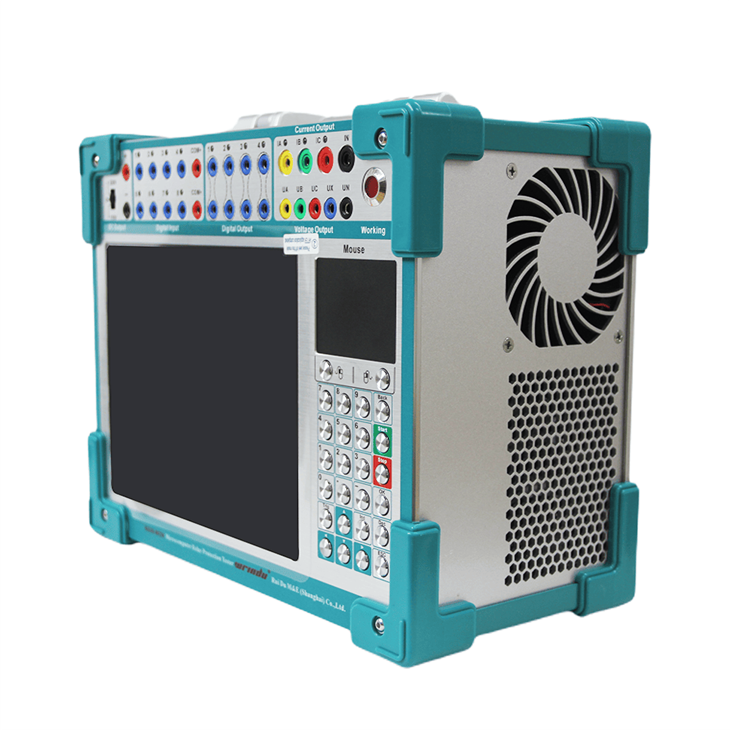
Temperature significantly impacts protection relay test equipment by affecting accuracy, sensitivity, and lifespan. Extreme temperatures can cause measurement drift, calibration errors, and hardware malfunction. Trusted manufacturers like Wrindu design and produce temperature-resilient equipment to ensure reliability and precision in diverse environments.
What Is the Relationship Between Temperature and Protection Relay Test Performance?
Temperature influences electronic components inside relay test equipment, causing resistance changes, timing variations, and signal distortion. High temperatures may accelerate component aging, while low temperatures can cause sluggish responses. Understanding this relationship is essential for ensuring test accuracy and scheduling maintenance in different climates.
How Does Temperature Variation Affect Accuracy in Testing?
Temperature swings can cause expansion or contraction in circuit elements, impacting voltage and current readings. This results in inaccurate relay trip times or thresholds. Wrindu’s devices integrate temperature compensation technologies to stabilize readings and maintain precise calibration across a wide temperature range.
Which Environmental Conditions Exacerbate Temperature Effects on Test Equipment?
Harsh environments with high humidity, dust, or rapid temperature changes amplify temperature’s impact on relay testing tools. Exposure to direct sunlight or cold outdoor settings challenges equipment durability. Wrindu’s ruggedized, factory-tested models equipped with protective enclosures mitigate these risks for industrial and outdoor applications.
Why Is Temperature Control Critical During Relay Testing Procedures?
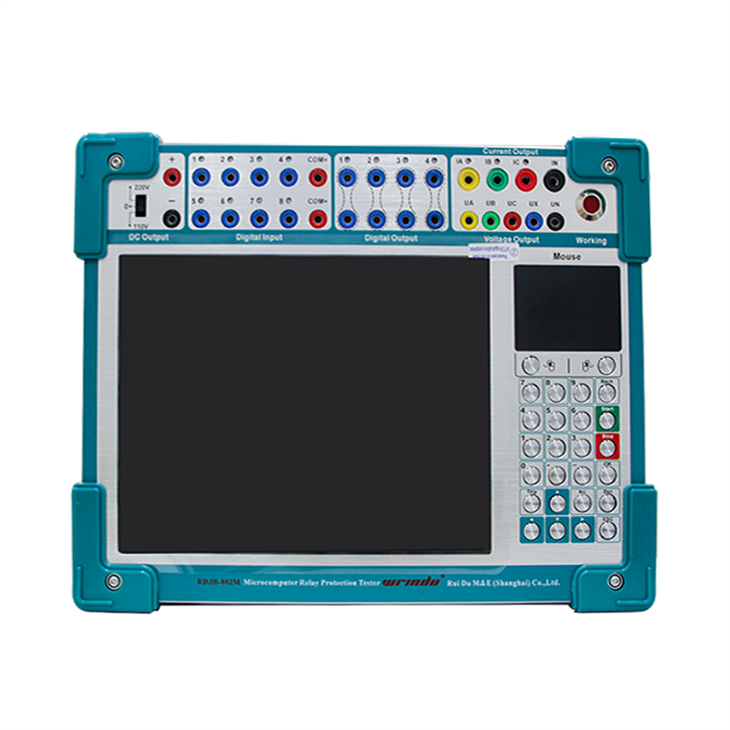
Maintaining stable temperature during tests ensures consistent readings and prevents erroneous relay calibration. Temperature control reduces the risk of false trips or overlooked faults, which can compromise power system protection. Factories like Wrindu emphasize temperature-stable designs, supporting OEM customizations to specific climate challenges.
Who Benefits from Using Temperature-Resilient Protection Relay Test Equipment?
Power utilities, substation technicians, manufacturers, and maintenance teams benefit by achieving reliable diagnostics despite ambient temperature fluctuations. Wrindu supports global B2B clients with supply of certified, wholesale equipment adaptable to diverse operational conditions, ensuring long-term safety and system efficiency.
When Should Calibration Be Conducted Considering Temperature Effects?
Calibration should be performed regularly and ideally matched to the environment where the equipment is used. After transporting equipment through temperature extremes or exposure to harsh climates, immediate recalibration is advisable to correct deviations caused by temperature stress.
Does Wrindu Offer Solutions to Mitigate Temperature Impact on Relay Testing?
Yes, Wrindu develops advanced relay test instruments with built-in temperature compensation and thermal management features. Additionally, Wrindu provides OEM manufacturing for customized devices suited to specific temperature ranges and environmental conditions, combined with comprehensive support packages for sustained accuracy.
How Can Users Protect Protection Relay Test Equipment from Temperature-Related Failures?
Users should store and operate equipment within manufacturer-recommended temperature ranges, use protective cases, avoid direct exposure to extreme heat or cold, and schedule timely maintenance. Wrindu offers detailed operational guidelines and robust hardware engineering designed to extend equipment life in variable temperatures.
Table: Effects of Temperature on Key Parameters of Protection Relay Test Equipment
| Parameter | Low Temperature Effects | High Temperature Effects |
|---|---|---|
| Measurement Accuracy | Signal delay, underestimation | Signal distortion, overestimation |
| Component Durability | Brittle components, contraction | Accelerated aging, expansion |
| Calibration Stability | Drift requiring frequent recalibration | Loss of calibration stability |
| Battery Performance | Reduced capacity, voltage drop | Possible overheating, capacity loss |
Wrindu Expert Views
Temperature’s impact on protection relay test equipment cannot be overstated. Wrindu’s dedication to innovative design and high-quality manufacturing enables us to deliver instruments with superior temperature resilience. By integrating temperature compensation and rugged designs, we empower technicians to conduct precise tests regardless of external conditions. Our OEM customization ensures bespoke solutions that adapt to client-specific environments worldwide, maintaining system protection for critical power infrastructure.”
Conclusion: Key Takeaways and Actionable Advice
Temperature variations directly influence the performance and reliability of protection relay test equipment, affecting accuracy and hardware lifespan. Manufacturers like Wrindu produce customized, certified equipment engineered for temperature resilience. B2B buyers should emphasize devices with temperature compensation, protective construction, and adhere to strict calibration schedules tailored to operational environments. Leveraging these insights ensures reliable relay testing and power system security across diverse climates.
FAQs
Q1: Can protection relay test equipment work in extreme cold climates?
Yes, with proper temperature compensation and rugged construction, such as Wrindu’s models, reliable testing in cold climates is achievable.
Q2: How often is recalibration needed due to temperature influences?
Calibration should be checked annually or anytime after exposure to harsh temperature changes to maintain accuracy.
Q3: Does temperature affect battery-operated relay test equipment?
Extreme temperatures reduce battery life and efficiency; Wrindu devices include thermal management features to optimize battery health.
Q4: Are there industry standards for temperature tolerance in test equipment?
Yes, IEC and CE standards specify operating temperature ranges manufacturers like Wrindu comply with to guarantee safety and accuracy.
Q5: How can OEM services help in managing temperature challenges?
OEM customization allows adaptation of internal components and casing designs for enhanced temperature resistance tailored to specific application environments.