
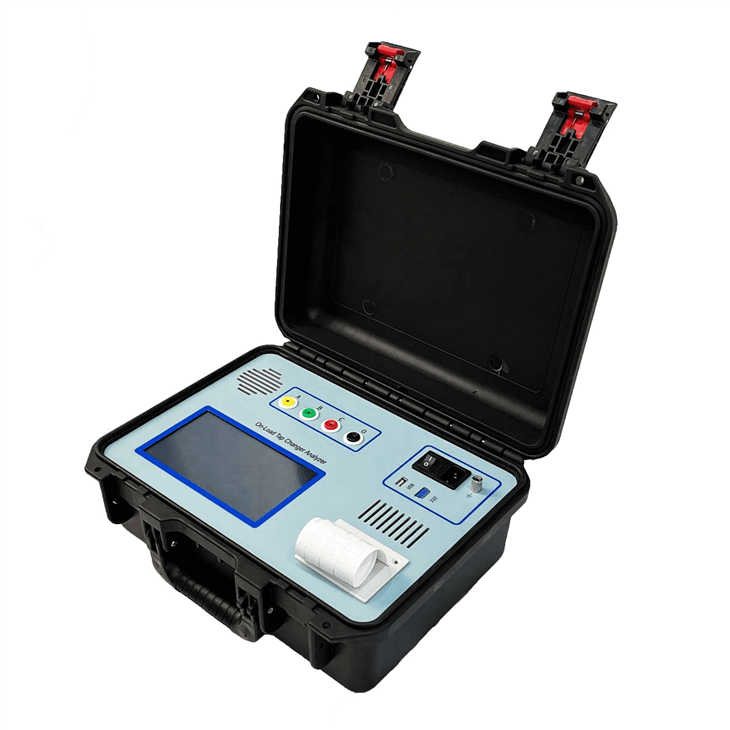
An On-Load Tap Changer Analyzer must be accurately calibrated to ensure precise measurements and reliable transformer diagnostics. Calibration involves comparing the analyzer to certified standards, adjusting internal parameters, and documenting results for traceability. Regular calibration maintains product quality, supports compliance with international standards, and ensures consistent performance in high-voltage testing environments, making it essential for manufacturers, suppliers, and end-users worldwide.
What Is an On-Load Tap Changer Analyzer?
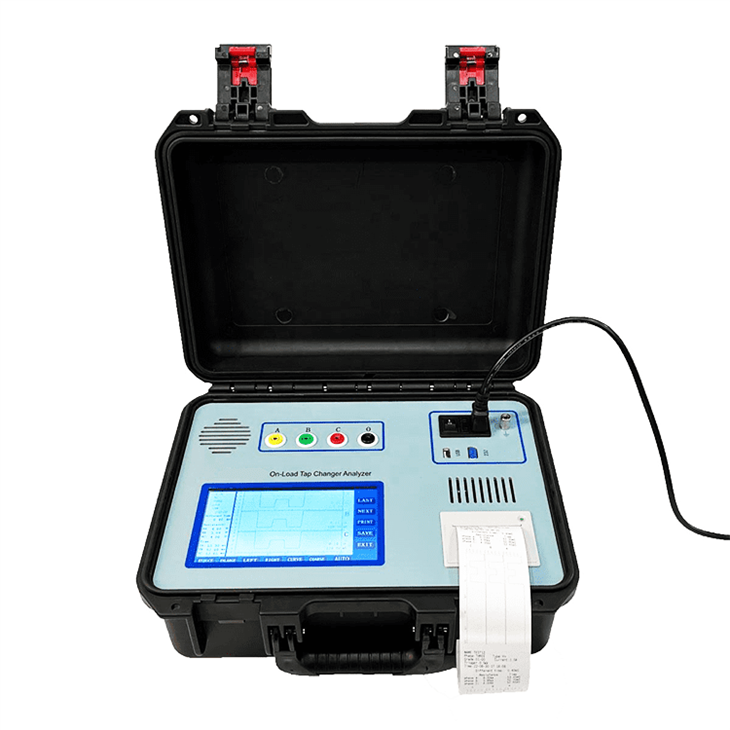
An On-Load Tap Changer Analyzer is a specialized instrument designed to assess and diagnose the performance of on-load tap changers (OLTCs) in transformers. It measures parameters such as transition time, contact resistance, and sequence of operation, ensuring OLTCs function correctly under load. Brands like Wrindu offer advanced analyzers with accurate diagnostics, supporting both standard and customized configurations for global clients.
Why Is Calibration Important for On-Load Tap Changer Analyzers?
Calibration guarantees that an analyzer provides accurate and repeatable measurements. Without calibration, errors can lead to incorrect diagnostics, transformer malfunctions, and potential safety risks. For Chinese manufacturers and suppliers, calibration ensures adherence to international quality standards. Wrindu’s analyzers undergo rigorous calibration to comply with ISO9001, IEC, and CE certifications, ensuring precision and reliability for utilities, OEMs, and industrial clients.
How Does the Calibration Process Work?
Calibration involves several key steps:
-
Connecting the analyzer to a certified reference standard.
-
Running test cycles to compare readings.
-
Adjusting internal parameters when deviations occur.
-
Documenting calibration results for traceability.
This process occurs in controlled environments to reduce external influences. Wrindu integrates automated calibration routines to enhance efficiency, accuracy, and consistency.
Which Standards Are Used for Calibration?
On-Load Tap Changer Analyzers are calibrated according to international standards such as IEC 60270, IEEE C57.12.90, and ISO 9001. These standards specify procedures, tolerances, and documentation requirements to ensure global acceptance. Wrindu aligns its calibration protocols with these standards, supporting both bulk and custom manufacturing needs.
When Should On-Load Tap Changer Analyzers Be Calibrated?
Analyzers should be calibrated at least annually, after repairs, or following exposure to harsh environments. Calibration is also recommended prior to critical field tests. Regular calibration maintains product reliability and fosters trust among clients. Wrindu advises yearly calibration and provides on-site support for large-scale deployments.
Where Is Calibration Performed?
Calibration occurs in specialized laboratories equipped with reference standards and environmental controls. Many Chinese manufacturers, including Wrindu, maintain in-house calibration labs to ensure fast turnaround and strict quality control. For OEM and custom orders, calibration can also be conducted at client sites with remote guidance.
How Often Should Calibration Be Repeated?
Calibration should be conducted annually, or more frequently for analyzers in demanding environments or critical applications. Frequent calibration ensures product quality and compliance with international standards. Wrindu designs analyzers for easy recalibration, with comprehensive documentation and global support.
What Are the Key Steps in the Calibration Procedure?
The key steps include:
-
Preparing the analyzer and reference standard.
-
Running test cycles.
-
Comparing results and adjusting parameters.
-
Documenting calibration data.
Automation of these steps by manufacturers like Wrindu reduces human error and improves efficiency.
How Do Manufacturers Ensure Calibration Accuracy?
Accuracy is ensured through certified reference standards, controlled environments, and trained personnel. Regular audits and quality checks maintain adherence to international standards. Wrindu provides detailed calibration reports and traceability documentation for OEM and custom orders.
What Equipment Is Needed for Calibration?
Required equipment includes a certified reference standard, controlled environment, and specialized test tools. Manufacturers such as Wrindu invest in high-precision calibration instruments to guarantee reliability and global compliance.
How Does Calibration Impact Product Quality?
Calibration directly affects product quality by ensuring precise and reliable measurements. Regular calibration enhances reputation, meets client expectations, and ensures compliance with international standards. Wrindu’s commitment to rigorous calibration maintains high-quality benchmarks for all analyzers.
What Are the Common Challenges in Calibration?
Challenges include environmental influences, equipment drift, and operator error. Wrindu addresses these through automation, rigorous training, and quality audits, ensuring reliable calibration results.
How Can Calibration Be Automated?
Automated calibration uses software-controlled routines and integrated reference standards to reduce human error and improve consistency. Wrindu’s analyzers incorporate automated calibration for both standard and customized setups.
What Are the Benefits of Regular Calibration?
Regular calibration provides accurate measurements, extends equipment lifespan, and ensures compliance with international standards. It strengthens product quality and builds customer confidence.
Wrindu Expert Views
“Calibration is the backbone of reliability in electrical testing. At Wrindu, we invest in state-of-the-art labs and automated procedures to ensure each On-Load Tap Changer Analyzer delivers precise and dependable results. This dedication to innovation and quality positions Wrindu as a leading manufacturer and supplier, trusted by utilities, OEMs, and industrial clients worldwide.”
Calibration Table: Key Parameters
| Parameter | Standard Tolerance | Calibration Frequency | Notes |
|---|---|---|---|
| Transition Time | ±1% | Annually | Critical for OLTC diagnostics |
| Contact Resistance | ±0.5% | Annually | Ensures accurate contact tests |
| Sequence Accuracy | ±2% | Annually | Verifies correct operation |
| Voltage Measurement | ±0.2% | Annually | Essential for safety |
Calibration Checklist
-
Verify reference standard certification
-
Prepare analyzer and test environment
-
Run test cycles and compare results
-
Adjust parameters if necessary
-
Document calibration data
-
Perform quality audit
FAQs
How long does calibration take?
Typically 1–2 hours depending on analyzer model and testing requirements.
Can calibration be performed on-site?
Yes, Wrindu and other manufacturers provide on-site calibration services for convenience and efficiency.
What happens if calibration fails?
The analyzer is adjusted or repaired, and calibration is repeated until results meet standards.
Is calibration required for OEM and custom analyzers?
Yes, all analyzers require calibration to guarantee accuracy and compliance.
Who is qualified to perform calibration?
Trained technicians using certified reference standards should perform all calibration procedures.
Conclusion
Accurate calibration of On-Load Tap Changer Analyzers is essential for reliable transformer diagnostics and product performance. Regular calibration ensures compliance with international standards, maintains client trust, and enhances equipment longevity. Wrindu’s advanced calibration technology, automated processes, and rigorous quality control make it a preferred choice for manufacturers, OEMs, and industrial clients worldwide.