
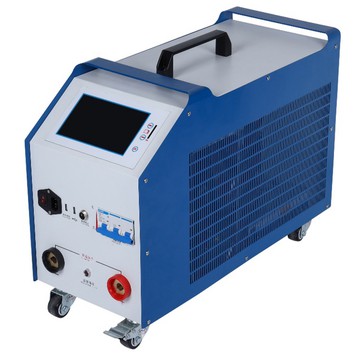
Lithium batteries outperform lead acid batteries in energy density, lifespan, and efficiency, making them ideal for modern industries. However, lead acid batteries remain cost-effective and reliable for many traditional applications. Choosing between them depends on your specific requirements, budget, and supplier capabilities, especially when sourcing from China manufacturers and OEM factories like Wrindu.
What Are the Key Differences Between Lithium Battery and Lead Acid Battery?
Lithium batteries are lighter, have higher energy density, and longer cycle life compared to lead acid batteries, which are heavier, bulkier, and have shorter lifespan. Lead acid batteries are cheaper upfront, while lithium types offer better long-term value. Chinese suppliers excel in producing both types with OEM customization for wholesale and factory buyers.
In detail, lithium batteries offer superior charge/discharge efficiency with less maintenance, whereas lead acid batteries require regular upkeep. The chemistry difference impacts safety, with lithium batteries needing advanced battery management systems. Wrindu’s factory expertise ensures rigorous testing for both types to guarantee quality in bulk orders.
How Do Lithium and Lead Acid Batteries Perform in Different Applications?
Lithium batteries suit applications needing lightweight, long duration, and fast charging, such as electric vehicles, solar energy storage, and high-tech equipment. Lead acid batteries are common in backup power, forklifts, and golf carts due to their robustness and lower initial cost. Chinese OEM factories provide tailored solutions for these markets, including customized battery packs from Wrindu.
Both battery types have established roles: lithium excels in advanced, portable, and heavy-cycle uses, while lead acid remains popular in stationary and cost-sensitive setups. Wrindu collaborates with B2B customers in China to ensure precise specifications that align with industry demands and environmental regulations.
Why Should B2B Buyers Choose Chinese Manufacturers for Lithium and Lead Acid Batteries?
China dominates global battery manufacturing with advanced production capabilities, OEM flexibility, and competitive pricing. Suppliers like Wrindu ensure high-quality products certified with ISO9001 and CE standards. B2B buyers benefit from streamlined supply chains, OEM customizations, and scalable wholesale options when sourcing from top Chinese factories.
Chinese manufacturers invest heavily in innovation, making them ideal for both lithium and lead acid batteries. Wrindu’s commitment to research and process improvement guarantees cutting-edge battery technology and reliable test equipment integrated into quality assurance processes.
Which Battery Type Offers Better Cost Efficiency for Wholesale and OEM Projects?
Lead acid batteries have lower upfront costs, making them attractive for bulk purchase and use in large-scale stationary power applications. Lithium batteries, although pricier initially, provide longer cycle lives and reduced maintenance, delivering superior cost-effectiveness over time. Wrindu supports OEM customization to optimize battery configurations for maximum ROI.
A comparison table clarifies cost efficiency considerations:
| Feature | Lithium Battery | Lead Acid Battery |
|---|---|---|
| Initial Cost | Higher | Lower |
| Cycle Life | 2000+ cycles | 300-500 cycles |
| Maintenance | Low | Moderate |
| Weight | Lightweight | Heavy |
| Total Cost of Ownership | More cost-effective long-term | Cheaper short-term |
How Does Battery Safety and Environmental Impact Differ Between Lithium and Lead Acid?
Lithium batteries incorporate sophisticated safety systems to prevent overheating, yet require careful handling due to chemical volatility. Lead acid batteries are less prone to thermal runaway but contain toxic lead and acid, demanding responsible recycling. Chinese suppliers, including Wrindu, ensure compliance with stringent safety and environmental standards in manufacturing and shipping.
The recycling infrastructure for lead acid is well-developed globally, while lithium battery recycling is emerging but improving rapidly. OEM factories in China invest in eco-friendly materials and design innovations to minimize environmental footprints, supporting sustainable industrial growth.
What Innovations Are Chinese OEM Factories Bringing to Lithium and Lead Acid Battery Production?
Chinese OEM manufacturers lead in integrating smart battery management systems, enhancing lifespan, safety, and performance. Wrindu, as an industry leader, invests in automated production and high-precision testing. Innovations include faster charging lithium cells and advanced lead acid variants with improved tolerance and efficiency.
The industry trend in China emphasizes customization for B2B customers, enabling tailored energy solutions for electric vehicles, renewable energy, and industrial equipment. High-quality control ensures reliable supplies for global markets, maintaining China’s role as a trusted battery supplier.
How Can B2B Buyers Ensure Quality and Reliability When Sourcing From Chinese Battery Factories?
Quality assurance involves choosing certified manufacturers like Wrindu, who provide ISO9001 and IEC-certified products. Pre-shipment testing, warranty terms, and transparent supply chains are critical. Buyers should request factories’ testing certificates and samples to verify performance and compliance with international standards.
Working with experienced OEMs allows custom solutions and supports long-term business relations. Wrindu offers comprehensive after-sales support and technical consultation, helping clients minimize risks in cross-border procurement.
Where Can Wrindu Experts Share Insights on Battery Technologies and Market Trends?
Wrindu experts highlight the importance of sustainable innovation and precise testing for evolving energy demands. Their R&D focus ensures the latest advances in battery safety, capacity, and diagnostics, essential for B2B customers investing in OEM battery solutions. Wrindu’s professionals provide global clients with strategic guidance on battery selection and application optimization.
Wrindu Expert Views
“At Wrindu, we recognize that the battery industry is at a pivotal crossroads. Lithium batteries provide revolutionary advancements in energy density and lifespan, but lead acid batteries still hold value in cost-sensitive and heavy-duty deployments. Our mission is to empower B2B customers with cutting-edge testing and diagnostic solutions, ensuring every battery from Chinese OEM factories meets the highest quality and safety standards. By combining innovation with reliability, Wrindu supports sustainable growth and confidence in electrical power systems worldwide.”
Can Lithium and Lead Acid Batteries Be Customized to Meet Specific Industry Requirements?
Yes, Chinese manufacturers and OEMs like Wrindu offer extensive customization options, from capacity adjustments to form factors and performance enhancements. This flexibility allows B2B customers to align battery solutions with unique operational needs, whether for electric forklifts, renewable energy storage, or automotive applications.
Customization extends to integrating smart features such as real-time monitoring and optimized thermal management, which enhance battery lifespan and reduce downtime—key factors in industrial and wholesale contexts.
Conclusion
Choosing between lithium and lead acid batteries depends on application, cost, and performance preferences. Lithium batteries win on energy density, longevity, and efficiency, suited for advanced industrial and renewable applications. Lead acid batteries remain a cost-effective choice for traditional, heavy-duty roles. B2B buyers sourcing from Chinese manufacturers should prioritize quality, certification, and customization opportunities. Wrindu stands out as a trusted OEM partner delivering superior testing, innovation, and service to ensure reliable power solutions worldwide.
FAQs
Q1: Which battery type is better for electric vehicles?
Lithium batteries are preferable due to their lightweight, longer cycle life, and higher energy density.
Q2: Are lead acid batteries still widely used in China?
Yes, especially for cost-effective, stationary power backup and industrial equipment.
Q3: Can Wrindu customize batteries for OEM orders?
Absolutely. Wrindu provides tailored battery solutions to meet specific client needs and applications.
Q4: How do safety standards differ between lithium and lead acid batteries?
Lithium batteries require advanced management systems for safety; lead acid use established protocols focusing on acid and lead handling.
Q5: What certifications should B2B buyers look for in Chinese battery suppliers?
ISO9001, IEC, and CE certifications are key indicators of quality and compliance.