
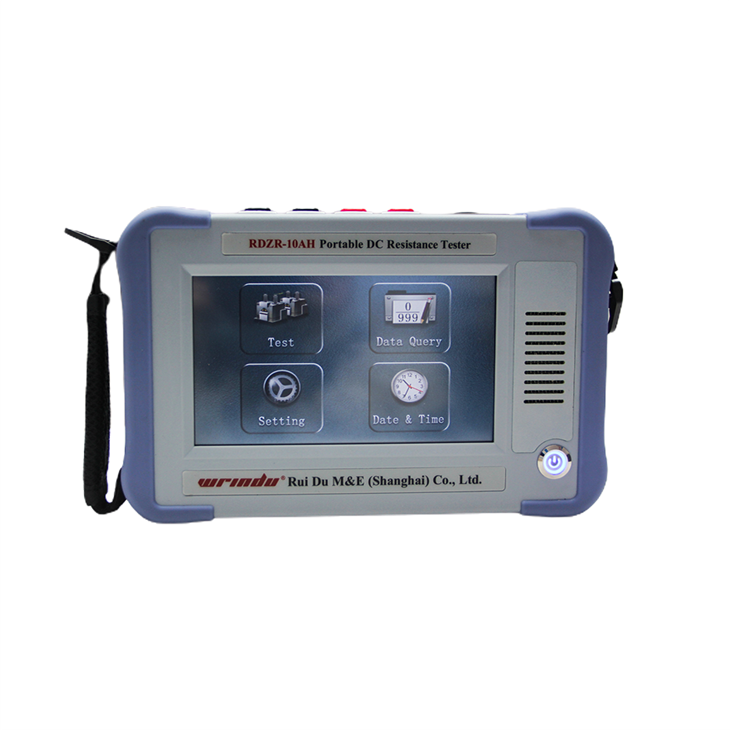
Resistance Tester?
Testing the internal resistance of a battery with a portable DC resistance tester helps assess battery health, performance, and capacity. This method quickly identifies battery faults, aging, and efficiency by applying a controlled current and measuring voltage drop, ensuring reliable power supply in industrial and commercial settings.
How Does a Portable DC Resistance Tester Measure Battery Internal Resistance?
A portable DC resistance tester applies a precise direct current load to the battery, measuring the resulting voltage drop. By calculating the ratio of voltage to current, it determines the battery’s internal resistance accurately. This measurement reflects the battery’s ability to deliver current and helps detect issues like sulfation or degradation.
The portability of such testers allows on-site diagnostics, crucial for maintenance in factories and renewable energy plants, ensuring continuous, stable battery performance.
What Are the Step-by-Step Procedures to Test Battery Internal Resistance?
-
Fully charge the battery for accurate results.
-
Connect the portable DC resistance tester terminals securely to battery terminals.
-
Activate the tester to send a calibrated DC load current through the battery.
-
Record the voltage drop measured by the tester.
-
Calculate the internal resistance using the tester’s automatic computation or manually by the voltage/current ratio.
-
Compare readings with manufacturer specifications to determine battery condition.
This procedure is simple, non-destructive, and ideal for rapid B2B maintenance inspections in manufacturing facilities.
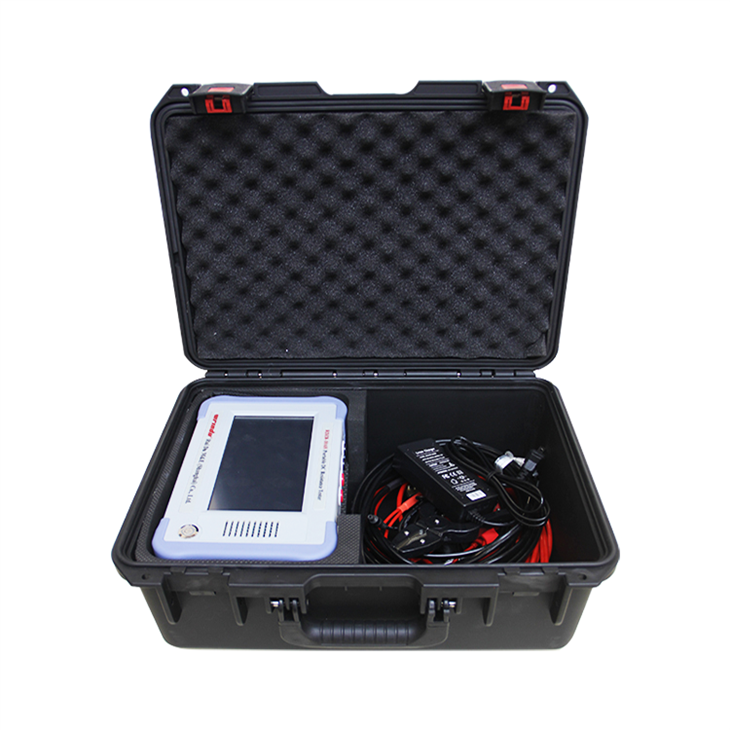
How Can Wrindu’s Portable DC Resistance Testers Enhance Battery Testing Efficiency?
Wrindu’s testers combine accuracy, ease of use, and durability, enabling fast on-site battery health assessment. Their advanced algorithms compensate for temperature and charge state variations, delivering reliable data.
Integration with data recording and wireless transmission facilitates remote monitoring and quality control, supporting factory automation and OEM customization requirements.
What Are the Key Advantages of Using Portable DC Resistance Testers Over Other Methods?
Compared to impedance spectroscopy or AC methods, DC resistance testers are more straightforward, faster, and less expensive. They require no complex equipment and provide instant, actionable readings for maintenance decisions.
This efficiency supports high-volume B2B environments, especially for Chinese battery suppliers and OEM manufacturers committed to lean production and quality control.
Can Internal Resistance Testing Predict Battery Lifespan and Performance?
Yes, elevated internal resistance indicates deterioration, capacity loss, or short circuits. Regular testing enables predictive maintenance and timely battery replacement before failure, optimizing operational uptime.
This predictive capability is invaluable for factories and large-scale battery users, minimizing costly downtime and improving supply chain reliability.
Wrindu Expert Views
“Accurately measuring internal resistance is the cornerstone of battery quality assurance. At Wrindu, we emphasize portable DC resistance testers because they allow real-time, on-the-go diagnostics, which are critical as industries increasingly depend on battery-powered systems. Our equipment’s precision, ease of integration, and compliance with ISO9001 and IEC standards ensure that China’s manufacturers and suppliers can confidently maintain product excellence and meet global market demands.” — Wrindu R&D Team
Internal Resistance Ranges for Common Battery Types
| Battery Type | Typical Internal Resistance (mΩ) | Application Areas |
|---|---|---|
| Lead-acid | 0.2 – 1.5 | Automotive, UPS, Solar |
| Lithium-ion | 5 – 50 | EVs, Portable Electronics |
| NiMH | 10 – 100 | Consumer electronics |
Understanding these ranges helps suppliers and OEMs calibrate testing thresholds precisely.
Conclusion: Key Takeaways and Actions
Testing battery internal resistance with portable DC resistance testers is crucial for verifying battery health, enhancing reliability, and ensuring safety. Wrindu’s advanced testers cater specifically to the needs of China-based manufacturers, suppliers, and OEMs by providing accurate, fast, and portable solutions. Regular internal resistance testing supports predictive maintenance, reduces failure risks, and improves product quality. For B2B clients, integrating such testing devices streamlines quality control and sustains competitive advantages globally.
FAQs
How often should internal resistance be tested in batteries?
Testing frequency depends on use but generally every 3-6 months in industrial settings ensures early fault detection.
Can internal resistance testing damage batteries?
No, portable DC resistance testers use safe, low currents that do not harm batteries during testing.
Does temperature affect battery internal resistance measurements?
Yes, higher temperatures lower resistance, while cold increases it, so temperature compensation is important.
Is Wrindu’s portable resistance tester suitable for large battery banks?
Yes, their devices have flexible current settings ideal for both small and large capacity batteries.
How does internal resistance affect battery performance?
High internal resistance reduces efficiency, shortens battery life, and limits power output.