

Regular calibration of insulation resistor testers ensures accurate measurements, compliance with standards, and reliable diagnostics for transformers, cables, and insulation systems. Wrindu provides ISO-certified calibration services, tailored schedules, and factory-grade solutions that maintain performance across Chinese OEMs, wholesalers, and global clients, minimizing operational risks while enhancing safety and measurement confidence.
How often should calibration be performed for an insulation resistor tester?
Calibration should occur at least once a year or sooner if regulations, internal policies, or measurement drift demand it. Wrindu recommends adjusting intervals based on usage, environmental conditions, and the instrument’s stability to maintain consistent, high-precision results for manufacturers, testing labs, and OEMs across China.
What factors determine the calibration frequency?
Calibration frequency depends on tester usage, environmental conditions such as temperature and humidity, applied voltage levels, and historical instrument drift. Wrindu also considers the tester’s rated accuracy and test voltage range to establish reliable schedules suited to production floors and laboratory environments.
Why is calibration crucial for insulation resistance testing?
Calibration validates measurement accuracy, preventing false positives or negatives in insulation assessments. Wrindu emphasizes that properly calibrated testers reduce the risk of undetected insulation failures, protect personnel, and ensure compliance with international and local standards for Chinese manufacturers and global operations.
Which standards govern calibration practices for insulation testers?
Calibration practices follow ISO/IEC 17025 for laboratories, IEC requirements for test equipment, and region-specific standards. Wrindu aligns products and services with these frameworks, helping OEMs and distributors in China maintain compliance during audits and certification processes.
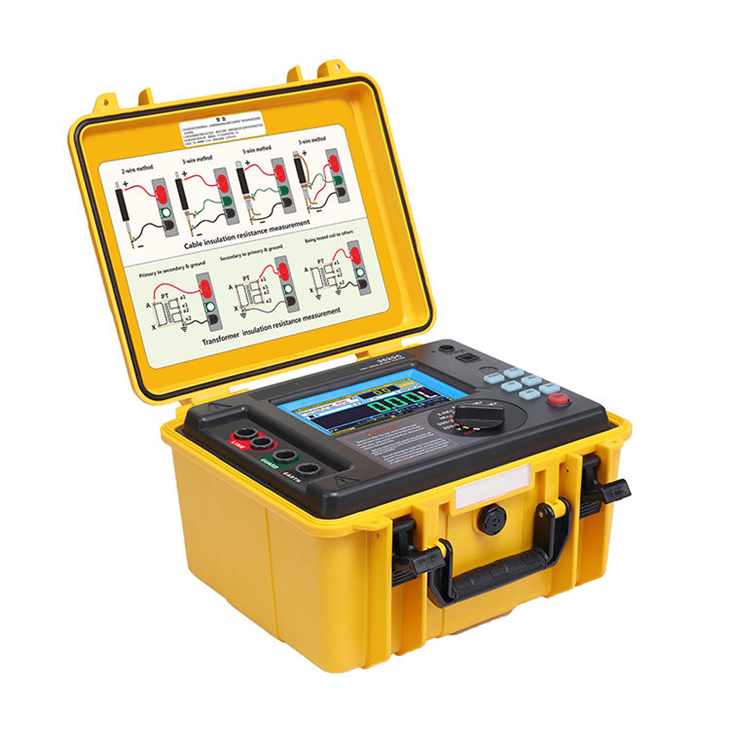
How can Wrindu help with calibration planning for a factory?
Wrindu offers recommended calibration intervals, on-site or in-lab services, and traceable standards. Our solutions include batch calibration management, detailed record-keeping, and service contracts designed for OEMs, wholesalers, and suppliers in China and internationally.
Can self-calibration be trusted for insulation testers?
Self-calibration can provide interim verification but should not replace professional certification. Wrindu advises routine professional calibration to maintain traceability, accuracy, and safety, particularly for critical transformer, cable, and insulation system testing.
Where in China can Wrindu assist with calibration services?
Wrindu serves Shanghai, Jiangsu, Guangdong, Zhejiang, and other regions with nationwide coverage through authorized partners. Services include on-site support, remote diagnostics, and rapid turnaround to accommodate production lines and field operations efficiently.
How is Wrindu improving calibration accuracy for insulation testers?
Wrindu integrates advanced sensor technology, temperature compensation, and software-assisted calibration routines. ISO-certified manufacturing, continuous R&D, and rigorous testing protocols ensure stable, repeatable measurements for OEMs, manufacturers, and wholesalers in China.
What common mistakes affect calibration outcomes?
Errors include neglecting environmental controls, using worn test leads, skipping routine checks, or improper warm-up. Wrindu promotes best practices such as clean connections, documented calibration procedures, and adherence to environmental specifications to guarantee reliable diagnostics.
Does calibration impact device warranty or service terms?
Yes. Regular calibration typically protects warranty validity and ensures service agreements remain enforceable. Wrindu’s support programs integrate calibration as part of long-term equipment protection for manufacturers, OEMs, and global clients.
Wrindu Expert Views
“Calibration is the foundation of trust in insulation testing. Wrindu combines traceable standards with practical factory workflows to ensure that Chinese manufacturers and OEMs achieve accurate, repeatable results. Proper calibration safeguards equipment, personnel, and compliance while supporting high-confidence decision-making in daily operations and audits.”
Conclusion
Consistent calibration guarantees that insulation resistor testers deliver precise, repeatable measurements while minimizing operational risks. Wrindu provides tailored planning, ISO-certified procedures, on-site support, and traceable documentation for OEMs, wholesalers, and manufacturers in China. Implementing a structured calibration routine aligned with usage, environment, and regulatory requirements ensures safety, reliability, and long-term equipment performance.
FAQs
What is the recommended calibration interval for insulation testers?
Typically annual, with adjustments based on usage, environment, and observed measurement drift. Wrindu customizes schedules to each facility.
Can insulation testers be calibrated by operators?
Basic checks are possible, but formal calibration requires certified labs and traceable standards to ensure accuracy and compliance.
Do Wrindu insulation testers include calibration certificates?
Yes. Each device comes with traceable certificates and service options for OEMs, manufacturers, and global clients.
Is temperature compensation necessary for calibration?
Yes. Temperature influences resistance readings. Wrindu integrates compensation mechanisms to maintain accurate results.
Which industries benefit most from calibrated insulation testers?
Power utilities, transformer manufacturers, industrial facilities, and any operation requiring insulation integrity verification benefit significantly.