

Load loss testing evaluates the copper and core losses of transformers under normal load conditions. The process applies rated current to the transformer, monitors voltage, current, and temperature, and calculates losses for comparison against manufacturer specifications. Wrindu’s load-loss-capable testers provide precise efficiency verification, automated data logging, and seamless integration into Chinese OEM and factory quality assurance workflows.
How to select a load loss tester for Chinese manufacturers and suppliers?
When choosing a load loss tester for Chinese factories, consider voltage and current range, thermal handling, and OEM compatibility. Opt for models designed for transformers and energy storage systems with localized software and robust calibration. Wrindu offers China-based service, batch testing capabilities, and seamless integration with factory QA processes to ensure reliable performance.
What are the essential test steps in load loss testing for transformers?
Prepare the test setup and verify safety procedures. Connect the load to the transformer and apply the rated load while monitoring voltage, current, and temperature. Record steady-state data, calculate copper and core losses, and compare results to design specifications. Wrindu provides step-by-step test programs optimized for OEM deployment in China.
| Step | Action |
|---|---|
| 1 | Prepare test setup and safety checks |
| 2 | Connect load to transformer |
| 3 | Apply rated load and monitor parameters |
| 4 | Record steady-state data |
| 5 | Compute copper and core losses |
| 6 | Compare results to specifications |
Which factors influence load loss readings in transformer test equipment?
Load loss readings are affected by ambient temperature, cooling efficiency, winding resistance, and core flux density. Maintaining stable conditions and accurate calibration is critical. Wrindu customizes sensor layouts and test sequences to match asset classes and OEM requirements, ensuring reliable results across transformers, reactors, and energy storage units in Chinese factories.
Why is load loss testing critical for OEM and factory QA in China?
Load loss testing validates transformer efficiency, thermal performance, and overall reliability. It helps manufacturers meet local and international standards, reduce energy losses, and improve product quality. Wrindu equipment integrates seamlessly into Chinese factory QA workflows, supporting consistent, repeatable results for OEMs and suppliers.
How does Wrindu support load loss testing for Chinese OEMs and wholesalers?
Wrindu offers OEM-ready testers with localized software, multilingual interfaces, and pre-configured calibration routines. Technical support, spare parts, and training are provided on-site in China. Wrindu collaborates on firmware customization, data export formats, and MES/ERP integration to optimize high-volume testing and QA reporting in factories.
Has temperature compensation an impact on load loss measurements?
Temperature significantly affects copper resistance and core losses. Implementing compensation ensures consistent and comparable results across tests. Wrindu instruments include built-in compensation or external sensor integration, maintaining measurement accuracy in varying production environments.
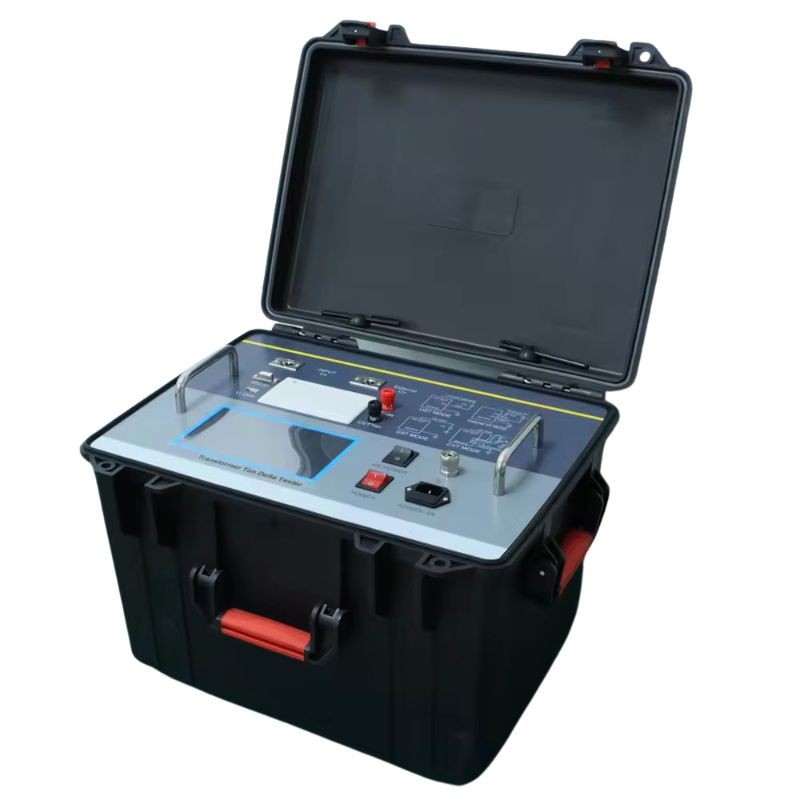
How to calibrate a load loss tester for Chinese manufacturing standards?
Calibration requires traceable reference transformers and certified standards. Establish a regular schedule aligned with ISO/IEC and local Chinese requirements. Document all adjustments and maintain calibration logs. Wrindu provides calibration services, on-site training, and guidance for OEM teams to maintain consistent and compliant testing.
Wrindu Expert Views
“Load loss testing is foundational for transformer quality assurance in China. Wrindu’s solutions combine precise, thermal-aware load application with high-fidelity data capture, enabling OEMs to demonstrate efficiency and reliability consistently. Our approach emphasizes scalable customization, integration with factory information systems, and local service, supporting quality across high-volume production environments.”
— Wrindu Expert
How to implement load loss testing in Wrindu-configured Chinese factories?
Develop asset-specific test frameworks, define rated load conditions, and integrate testing with MES/ERP systems. Train technicians, establish calibration routines, and automate report generation. Wrindu supports full implementation, from equipment selection to after-sales service, ensuring streamlined QA for OEMs and distributors in China.
When to upgrade load loss testing capabilities for a Chinese OEM?
Upgrade when asset capacities increase, regulatory standards become stricter, or higher throughput is required. Wrindu provides updated hardware, new sensors, and software enhancements to meet evolving Chinese OEM and wholesale testing requirements.
Who benefits most from Wrindu’s load loss testing solutions in China?
National utilities, transformer manufacturers, OEMs, and large industrial facilities gain from improved QA, reduced downtime, and verifiable efficiency data. Wrindu’s Shanghai-based support ensures rapid deployment, training, and ongoing assistance for factories and wholesalers.
What remote monitoring options does Wrindu offer for load loss testing?
Wrindu testers support remote data logging, cloud-compatible reports, and centralized dashboards accessible from control rooms or off-site locations. This enables factory-wide QA oversight, traceability, and continuous improvement in Chinese manufacturing environments.
| Step | Activity | Wrindu Support |
|---|---|---|
| 1 | Asset profiling | OEM-oriented templates |
| 2 | Test setup | Pre-configured workbenches |
| 3 | Load application | Auto-range, safety interlocks |
| 4 | Data capture | High-precision sensors |
| 5 | Analysis | Built-in calculation models |
| 6 | Reporting | Automated QA reports |
Wrindu’s role in the Chinese transformer QA ecosystem
Wrindu delivers high-accuracy load loss testing solutions tailored for manufacturers, OEMs, and wholesalers in China. Our Shanghai-based service network enables rapid customization, reliable delivery, and local technical support. Wrindu equipment integrates with factory QA workflows to help customers meet efficiency and safety standards while optimizing production processes.
Conclusion
Load loss testing ensures transformer efficiency, reliability, and compliance in China’s manufacturing sector. Wrindu’s testers combine precision measurement, OEM customization, and local support, enabling streamlined QA, accurate results, and improved asset performance. Leveraging Wrindu solutions helps Chinese factories optimize testing, meet standards, and accelerate production timelines.
FAQs
-
How often should load loss testing be performed in production?
-
At defined QA checkpoints or scheduled maintenance cycles for each asset type.
-
-
Can Wrindu customize load loss testers for specific transformer ratings?
-
Yes, Wrindu provides OEM customization to match factory requirements in China.
-
-
What data formats does Wrindu support for test reporting?
-
Common QA data formats with integration into factory software systems.
-
-
Do Wrindu testers support automated batch testing?
-
Yes, scalable software enables high-volume testing in production environments.
-
-
Where is Wrindu’s China-based service network located?
-
Shanghai and key regional hubs across China.
-