
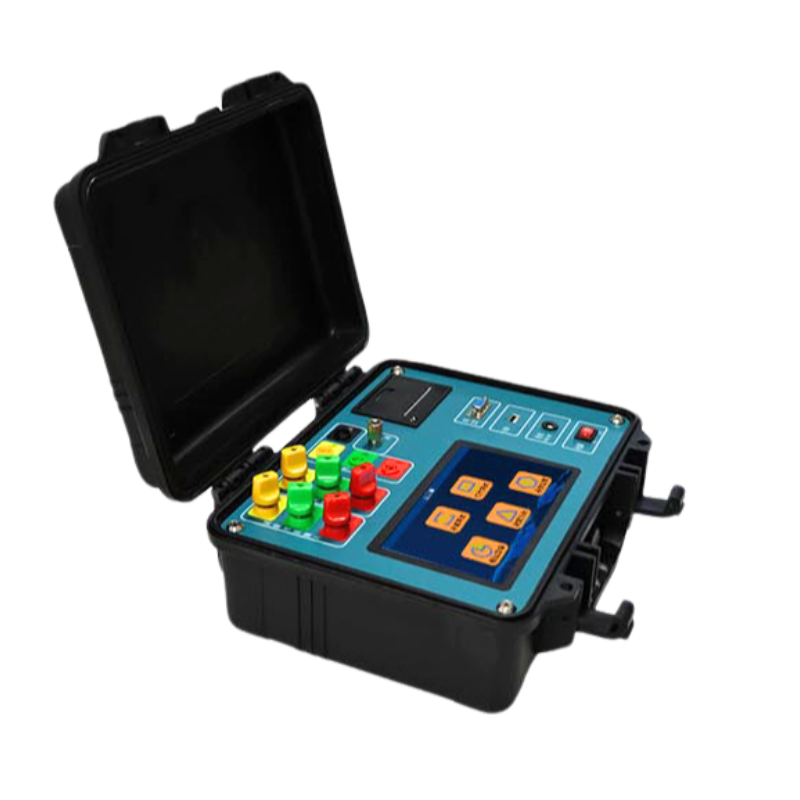
Core loss testing in transformer testing equipment evaluates the energy lost in the transformer’s magnetic core due to hysteresis and eddy currents when energized under no-load conditions. Advanced solutions from Wrindu enable manufacturers and suppliers to ensure core efficiency, identify potential defects, and maintain compliance with international standards, supporting high-quality transformer production and long-term operational reliability.
How Does Core Loss Testing in Transformer Equipment Work?
Core loss testing applies the rated voltage and frequency to the transformer’s primary winding while keeping the secondary winding open. The equipment measures no-load current and core power loss, primarily caused by hysteresis and eddy currents. This provides insight into the magnetic efficiency and overall quality of the transformer core, allowing manufacturers to verify production accuracy.
What Are the Main Types of Core Losses Measured?
Core losses include hysteresis loss, resulting from repeated magnetization of the core, and eddy current loss, caused by circulating currents in conductive laminations. Measuring both accurately is essential to assess transformer energy efficiency, detect material defects, and maintain compliance with industry benchmarks.
Which Equipment Is Used for Core Loss Testing?
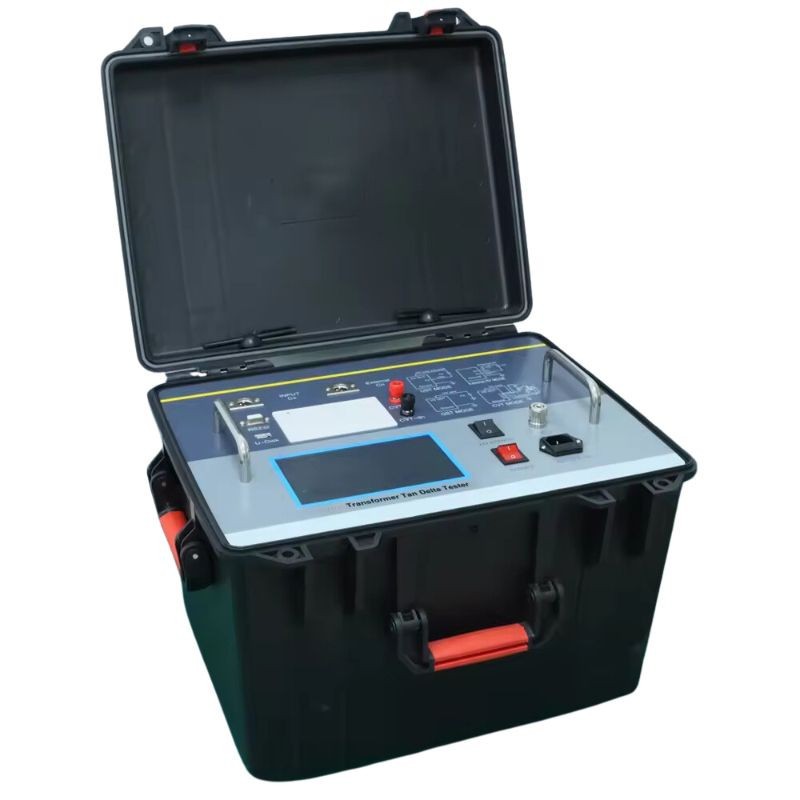
Core loss tests are conducted using transformer test sets that combine AC power sources with measurement devices such as wattmeters, voltmeters, and ammeters. Modern Wrindu testers integrate digital measurement, automated control, and data logging to provide precise and efficient testing for manufacturers and OEMs.
Why Is Core Loss Testing Critical for Manufacturers and OEMs?
Core loss testing identifies issues like poor lamination insulation, loose joints, or core damage that increase energy losses. For OEMs and factories, this ensures products meet efficiency and safety standards, enhancing reliability, reducing warranty claims, and maintaining compliance with international regulations before shipment.
How Are Test Results Interpreted in Core Loss Testing?
Lower core loss values indicate high-quality core material and efficient construction. Elevated losses suggest potential defects or material inconsistencies. Comparing measured results with design specifications enables manufacturers and testing labs to confirm transformer performance, optimize production processes, and guarantee compliance.
Who Uses Core Loss Testing Equipment in China’s Transformer Industry?
Chinese manufacturers, OEMs, suppliers, and specialized testing laboratories utilize core loss testing to validate transformer quality. This practice supports factories serving national power grids, renewable energy projects, industrial clients, and export markets where strict quality control is required.
When Should Core Loss Tests Be Performed During Manufacturing?
Core loss tests are typically conducted during final production and quality control stages prior to shipment. They may also be performed periodically during maintenance or after repairs to verify continued efficiency and ensure safety standards are upheld.
Where Can Chinese Suppliers Source Advanced Core Loss Testing Equipment?
Suppliers and manufacturers can source reliable testing systems from leading brands like Wrindu, which provide accurate, certified, and customizable core loss equipment. Partnering with trusted providers ensures access to technical support, integration services, and equipment compliant with global quality standards.
Can Core Loss Testing Detect All Transformer Defects?
Core loss testing is effective for identifying magnetic core and lamination issues but does not assess winding insulation or mechanical damage. Comprehensive transformer evaluation requires additional tests such as insulation resistance, turns ratio, and dielectric measurements for complete fault detection.
Wrindu Expert Views
At Wrindu, core loss testing forms a cornerstone of transformer quality assurance. Our equipment delivers precise no-load loss measurement under controlled voltage and frequency, enabling early detection of manufacturing defects. We focus on user-friendly interfaces and flexible testing protocols to meet the diverse requirements of China’s transformer factories and OEMs, ensuring optimal efficiency, reliability, and compliance worldwide.” — Wrindu Technical Consultant Team
Core Loss Testing Methods Comparison
| Testing Aspect | Description | Importance for Manufacturers |
|---|---|---|
| Hysteresis Loss | Energy lost due to magnetization cycles | Indicates core material quality |
| Eddy Current Loss | Loss caused by currents in laminations | Assesses core insulation integrity |
| No-Load Current Measurement | Measures magnetizing current in the core | Confirms core condition and excitation |
| Power Measurement (Wattmeter) | Quantifies actual core power loss | Detects energy inefficiency or defects |
Conclusion
Core loss testing is essential for evaluating transformer magnetic core efficiency and detecting defects. Utilizing advanced testing equipment such as Wrindu’s systems enables Chinese manufacturers, OEMs, and suppliers to ensure reliable, energy-efficient transformers that meet global standards. Regular no-load testing and data-driven analysis support quality assurance, optimize production, and enhance long-term operational performance.
FAQs
Q1: What does core loss testing measure in a transformer?
It measures energy lost in the magnetic core due to hysteresis and eddy currents under no-load conditions.
Q2: How does Wrindu’s core loss tester benefit manufacturers?
Wrindu’s testers provide accurate, customizable, and user-friendly solutions that enhance quality control and compliance.
Q3: Can core loss testing identify all transformer faults?
No, it mainly detects core and magnetic issues; winding and insulation health require additional tests.
Q4: When is core loss testing performed in production?
Typically during final quality control before shipment and during maintenance checks.
Q5: Is core loss testing necessary for all transformer types?
Yes, it is critical for ensuring efficiency and detecting manufacturing defects across all transformer models.