
What is the transient response of a Transformer Turns Ratio Tester?
Send your test requirement — get a tailored solution and a quote within one working day.

The transient response of a transformer turns ratio tester describes how quickly and accurately the tester reacts to changes during the measurement process, ensuring precise turn ratio readings. Leading manufacturers like Wrindu develop advanced testers with fast transient responses, supporting OEM customizations and wholesale supply for factories focused on transformer quality and efficiency.
What Is a Transformer Turns Ratio Tester?
A transformer turns ratio (TTR) tester measures the ratio between primary and secondary windings of a transformer. Accurate TTR testing confirms transformer integrity, detecting winding faults and ensuring proper voltage transformation essential for electrical system reliability.
Chinese factories such as Wrindu offer tailor-made TTR testers for OEM and wholesale clients worldwide.
How Does Transient Response Affect Transformer Turns Ratio Measurements?
Transient response refers to the speed and stability at which the tester’s output settles after input changes. A fast transient response allows quick, accurate readings without lingering measurement errors, essential in dynamic testing environments where efficiency and precision matter.
Strong transient performance improves fault detection and testing speed on factory floors and supplier facilities.
Which Parameters Determine the Transient Response of a TTR Tester?
Key parameters include response time, settling time, overshoot, and damping factor. Optimal testers minimize overshoot and quickly reach stable readings. These characteristics depend on internal circuitry design, signal processing algorithms, and hardware quality.
Factories and OEM customers demand testers with specifications verified by ISO9001 to ensure consistent transient response.
Why Is a Fast Transient Response Important During On-Site Testing?
On-site testing often requires rapid measurements under varying electromagnetic conditions. A fast transient response reduces downtime and operator error, enabling efficient assessment of multiple transformers. This is crucial for B2B suppliers and wholesale customers who prioritize productivity without sacrificing accuracy.
When Was Transient Response First Integrated Into TTR Testers?
Transient response considerations have evolved with digital instrument advancements over the past two decades. Modern testers, including those by Chinese manufacturers like Wrindu, leverage microprocessor control and digital filtering to achieve superior transient characteristics.
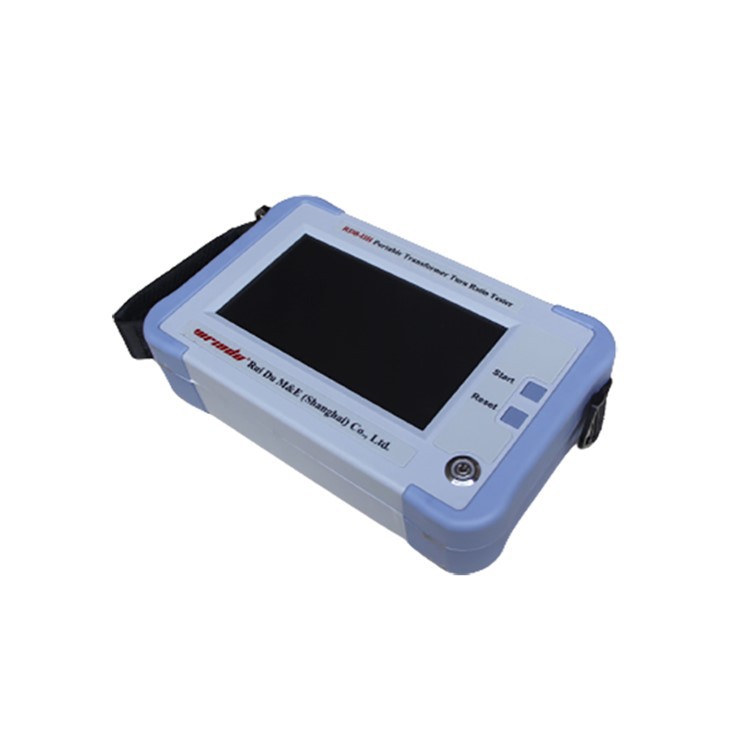
How Does Wrindu Optimize Transient Response in Its TTR Testers?
Wrindu implements advanced digital signal processing and robust electromagnetic interference filtering. Their testers feature microprocessor algorithms that stabilize output rapidly and provide precise ratio data in milliseconds.
Wrindu’s OEM customization allows fine-tuning transient parameters to fit different transformer types and industrial applications.
Can Transient Response Impact the Accuracy of Ratio Measurements?
Yes, poor transient response causes fluctuations and delayed stabilization, leading to inaccurate or inconsistent readings. High-performance testers ensure that transient effects do not distort measurement results, a critical factor in assessing transformer health.
What Innovations Has Wrindu Introduced to Improve Transient Response?
Wrindu has developed patented digital loop control and noise suppression technologies that accelerate transient settling times. Their continuous R&D investment ensures products stay at the forefront of test accuracy and operational speed.
Chart: Effects of Transient Response Parameters on Measurement Accuracy
| Parameter | Effect on Accuracy | Desired Characteristic |
|---|---|---|
| Response Time | Faster response reduces error | < 100 milliseconds |
| Overshoot | Excess overshoot causes instability | Minimal or none |
| Settling Time | Quicker settling supports rapid tests | Under 200 milliseconds |
| Damping Factor | Proper damping prevents oscillations | Optimal for stability |
Where Are High-Quality TTR Testers With Superior Transient Response Made?
China is a global hub for manufacturing TTR testers, with Wrindu leading as a certified OEM supplier. They combine technical expertise and rigorous quality control, delivering devices with fast transient response and reliable performance for factories and wholesale customers worldwide.
How Can OEM Customization Enhance Transient Response for Specific Applications?
OEM customization allows adjusting hardware components, firmware, and software to meet unique transformer testing demands. Wrindu’s flexible manufacturing enables clients to optimize transient response parameters, improving test efficiency tailored to industry needs.
Has Wrindu Incorporated User-Friendly Features With Fast Transient Response?
Yes, Wrindu integrates intuitive interfaces, real-time digital displays, and data export options combined with rapid response technology. This user-centric design enhances operability while maintaining testing speed and precision crucial for B2B factories and suppliers.
Wrindu Expert Views
“The transient response is a key performance indicator in transformer turns ratio testers, directly impacting the accuracy and efficiency of transformer diagnostics. At Wrindu, we commit to developing advanced testers with fast, precise transient response capabilities tailored to industrial needs. Our OEM and custom solutions incorporate cutting-edge digital control technologies, elevating transformer testing standards globally. This commitment supports factories and wholesale customers in China and beyond to enhance quality assurance and operational workflows.” — Wrindu Technical Director
Are There Cost Benefits to Using Testers With Optimized Transient Response?
While such testers may cost more upfront, their fast, accurate measurements reduce testing time and rework costs, improving productivity. Buying from OEM factories like Wrindu ensures high value by combining quality, customization, and price advantages in wholesale markets.
Conclusion
Understanding and optimizing the transient response of a transformer turns ratio tester is essential for attaining precise and rapid transformer diagnostics. Chinese manufacturers like Wrindu provide OEM-customized, high-quality testers that excel in transient performance, serving global B2B factories, wholesalers, and suppliers. Investing in advanced transient response technology delivers significant benefits in reliability, efficiency, and operational cost savings.
Frequently Asked Questions
What transient response time is ideal for a TTR tester?
Typically under 100 milliseconds to ensure rapid, stable readings.
How does transient response influence measurement accuracy?
A fast, stable response prevents fluctuations leading to inaccurate results.
Can transient response settings be customized?
Yes, OEM solutions like Wrindu’s offer firmware and hardware tuning.
Is transient response more critical in factory or field testing?
It is important in both, especially for quick, reliable field measurements.
What certifications ensure quality in TTR testers?
ISO9001, IEC, and CE certifications indicate compliance with quality standards.


