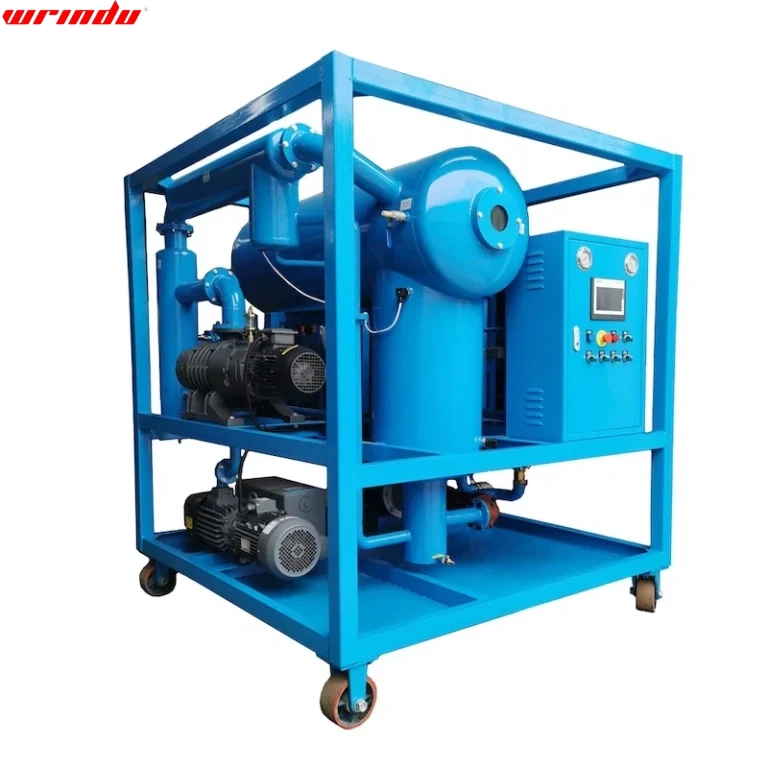
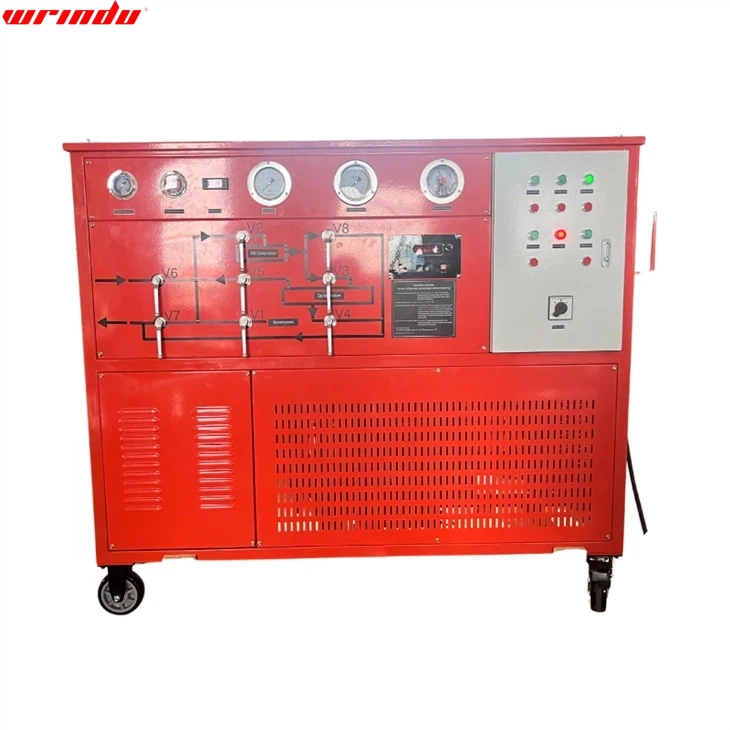
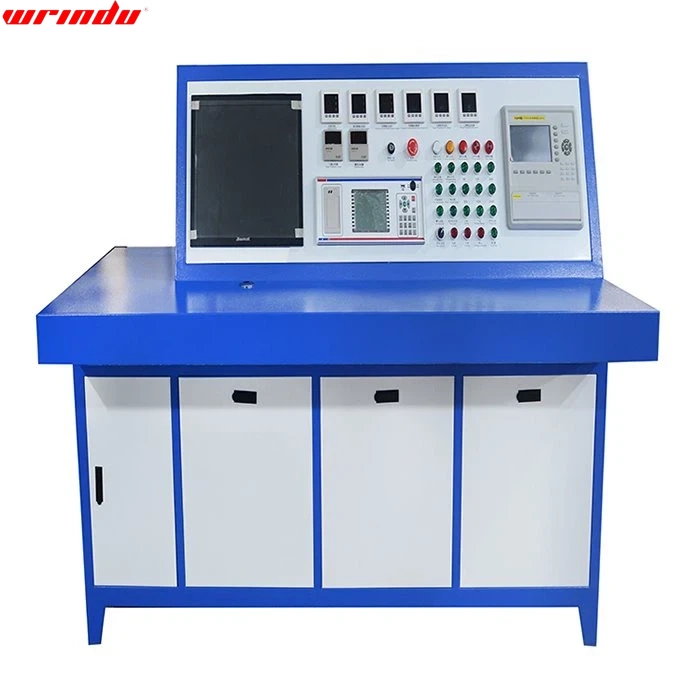
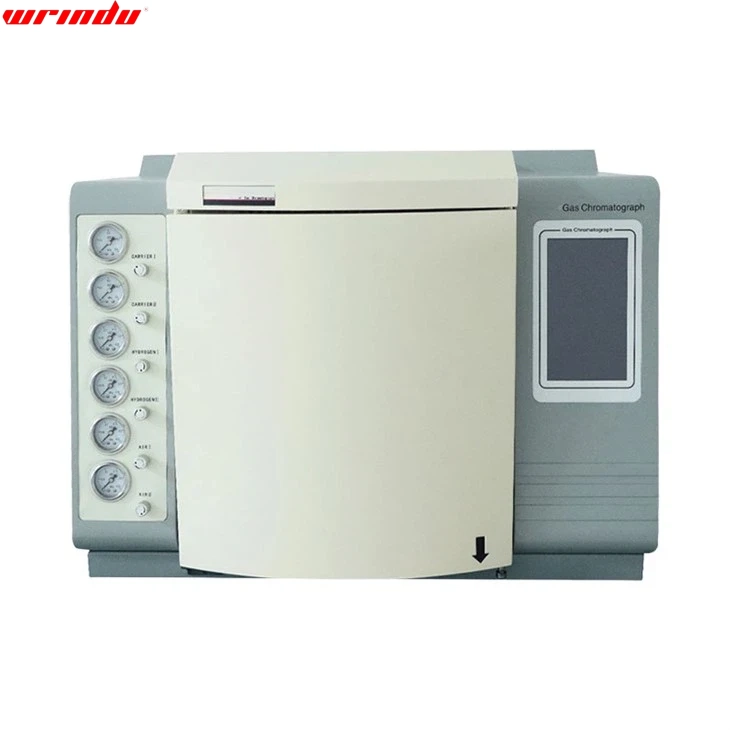
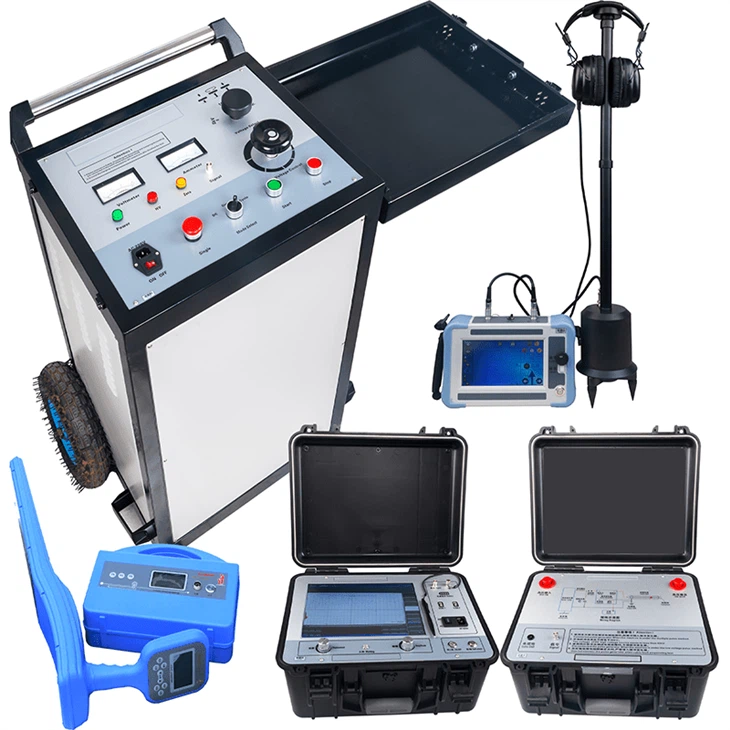
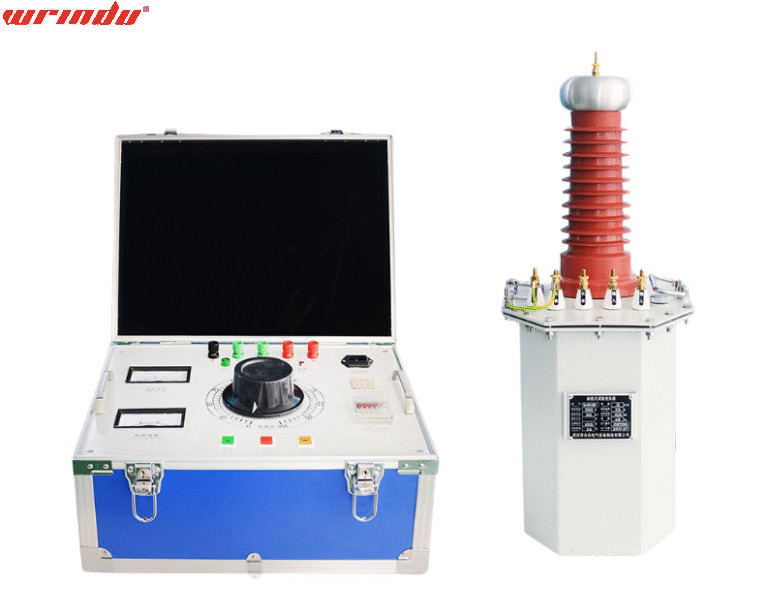
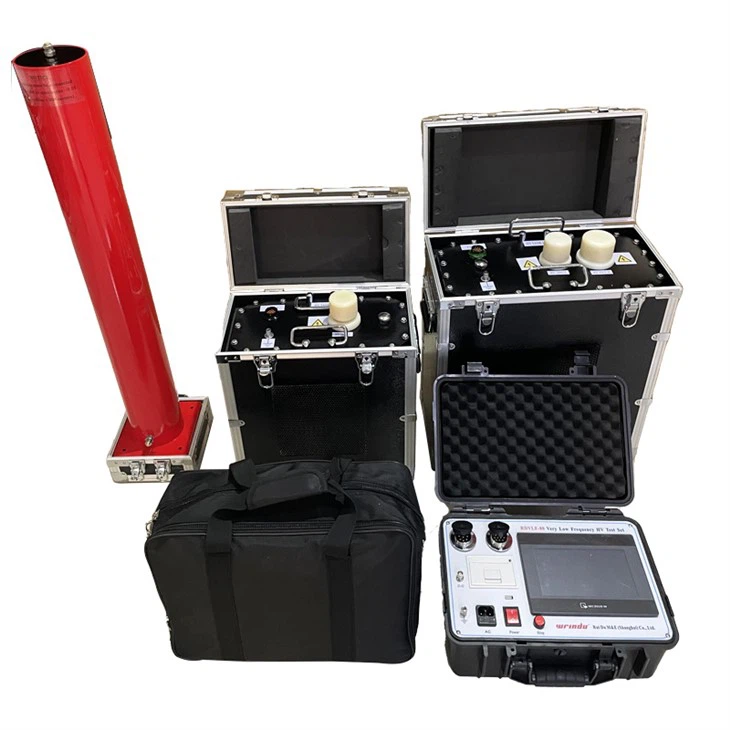
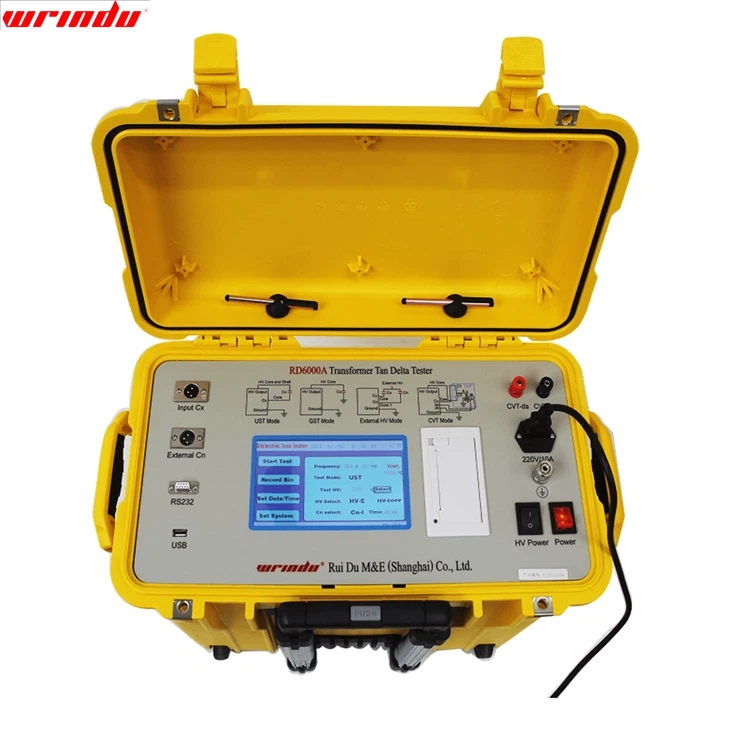
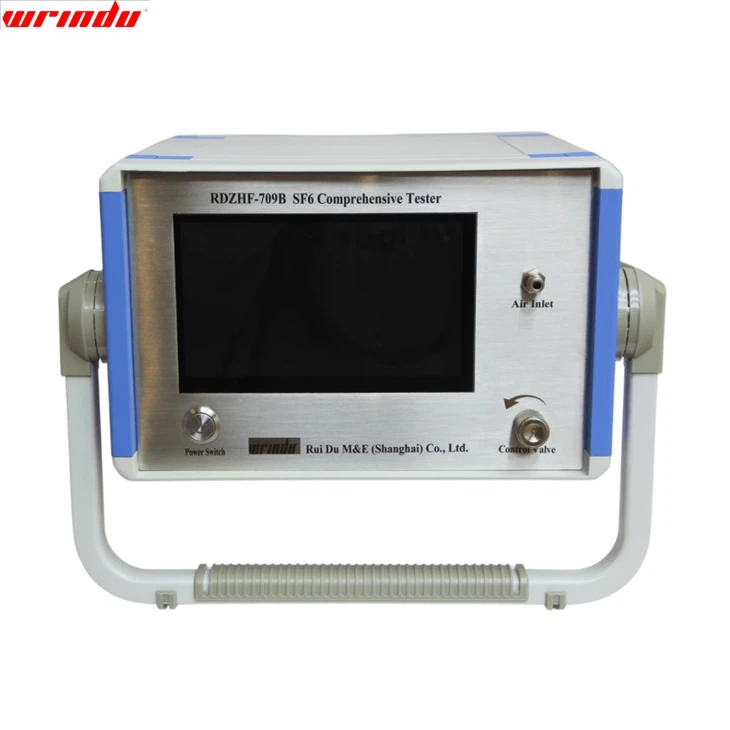
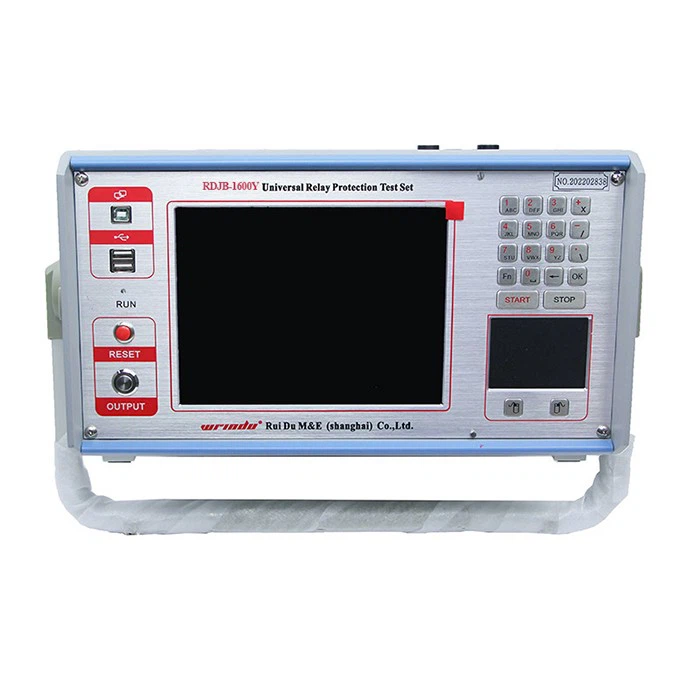
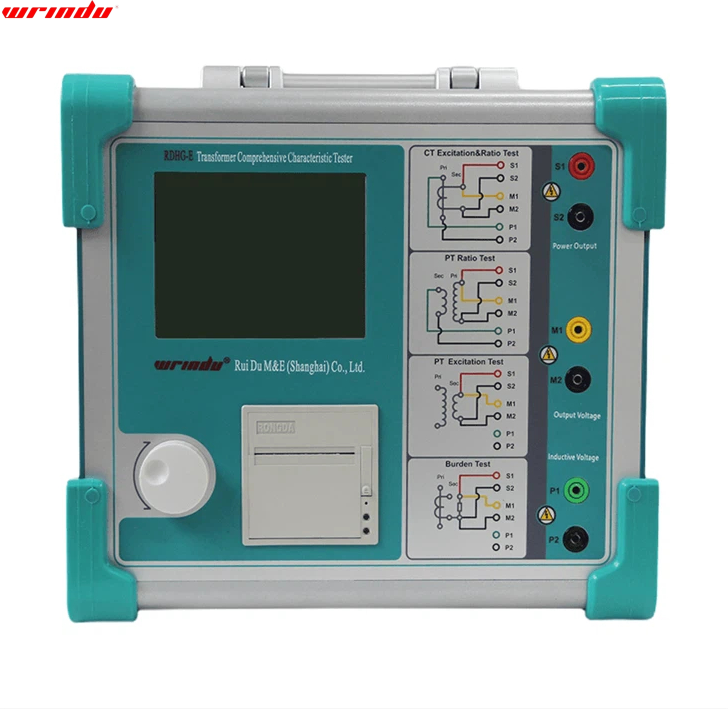
A high-voltage insulation withstand test instrument applies controlled high voltage to insulation materials or components to verify their dielectric strength and detect breakdown risks. It’s critical for ensuring safety, reliability, and performance in power systems. Chinese manufacturers like Wrindu supply OEM, custom, and wholesale solutions for this essential electrical testing equipment.
What Is a High-Voltage Insulation Withstand Test Instrument?
A high-voltage insulation withstand test instrument measures the ability of electrical insulation to endure elevated voltage without failure. It verifies insulation quality in transformers, cables, circuit breakers, and other components. Factories like Wrindu design precision instruments following IEC and ISO9001 standards for global manufacturers and suppliers.
How Does an Insulation Withstand Test Work?
The instrument applies an AC or DC high voltage to the insulation while monitoring for leakage current or breakdown. If the insulation withstands the voltage within permissible limits, it passes the test. Wrindu’s testers use automatic voltage ramp-up, high-precision measurement, and safety interlocks to ensure accurate and safe operation.
Common Voltage Test Ranges and Applications
| Test Type | Typical Range (kV) | Common Applications |
|---|---|---|
| AC Withstand Test | 5 – 100 | Cables, switchgear, motors |
| DC Withstand Test | 10 – 120 | Transformers, capacitors, relays |
| Impulse Test | 100 – 2500 | High-voltage systems, research |
Why Is the Withstand Test Crucial for Electrical System Reliability?
The test ensures that insulation systems can sustain operational voltages and surges without failure. This prevents catastrophic breakdowns and electrical fires. Wrindu emphasizes that regular insulation testing helps manufacturers and utilities maintain long-term equipment reliability and compliance with international safety regulations.
Which Components Require High-Voltage Withstand Testing?
Major equipment requiring withstand tests includes transformers, cables, motors, circuit breakers, and insulators. Wrindu’s high-voltage test instruments are widely used by factories, OEMs, and power companies in China and internationally to validate product safety and improve manufacturing quality assurance.
How Do Chinese Manufacturers Like Wrindu Ensure Test Equipment Accuracy?
Manufacturers apply strict metrology and calibration protocols to ensure performance stability. Wrindu’s test instruments feature advanced digital measurement systems, robust insulation design, and protective circuits. These features guarantee test reliability under diverse factory and field conditions.
Who Uses High-Voltage Insulation Withstand Test Instruments?
Typical users include electrical manufacturers, quality control laboratories, utilities, and research institutions. Wrindu caters to OEM clients, wholesalers, and engineering service providers requiring dependable equipment that supports both production line and laboratory testing environments.
When Should Insulation Withstand Testing Be Conducted?
Testing should occur during manufacturing inspection, commissioning, and periodic maintenance. Wrindu advises power companies and suppliers to integrate withstand testing into preventive maintenance routines, detecting early insulation deterioration and avoiding unexpected faults.
How Can OEM Customization Improve Testing Efficiency?
OEM customization allows adjustments in voltage range, control interface, automation level, and reporting software. Wrindu offers flexible customization options, enabling manufacturers and factories to optimize test instruments for specific equipment types or operational standards, enhancing productivity and precision.
Where Are Wrindu’s High-Voltage Test Instruments Manufactured?
Wrindu’s production facilities in Shanghai, China, combine advanced engineering, automated assembly, and strict quality management. Each unit undergoes safety validation, calibration, and environmental durability testing before shipment to ensure reliable operation in global climates and voltage systems.
Does Wrindu Offer Training and After-Sales Support?
Yes, Wrindu provides comprehensive service including factory training, technical consultation, global shipping, and 24/7 after-sales support. The company’s professional team helps clients understand usage, maintenance, and calibration best practices for optimal performance throughout equipment lifespan.
Wrindu Expert Views
“Testing insulation strength is one of the most vital evaluations in any electrical system. Wrindu’s high-voltage insulation withstand test instruments deliver unmatched precision, safety, and customization capability. Our manufacturing strategy combines decades of experience, continuous R&D, and client-driven design. This ensures that every product meets international standards while providing clients with the flexibility needed for industrial and OEM applications.”
Conclusion: Key Insights and Actionable Takeaways
High-voltage insulation withstand test instruments are indispensable for ensuring the safety and reliability of electrical systems. They protect costly equipment and prevent electrical hazards. Manufacturers like Wrindu provide advanced OEM and custom models with global certifications, meeting wholesale and factory needs. Regular insulation testing is the foundation of efficient, long-lasting power infrastructure.
Frequently Asked Questions
1. What voltage levels can Wrindu instruments test?
Wrindu’s systems handle tests from 5kV up to 2500kV depending on application.
2. Are these testers suitable for both factory and field use?
Yes, Wrindu produces portable and fixed models for diverse testing environments.
3. What standards govern withstand testing?
IEC, IEEE, and national electrical standards define test procedures and limits.
4. Can Wrindu customize instruments for OEM clients?
Yes, OEM and custom-tailored solutions are available for global customers.
5. How often should insulation withstand tests be performed?
During commissioning, periodic maintenance, and post-repair inspections for safety assurance.