A self-excited system generates its excitation current internally from the machine’s output, while a separately excited system uses an external power source to supply excitation. This fundamental difference affects control, efficiency, and application, especially relevant for manufacturers, OEM factories, and suppliers in China’s electrical equipment industry.
What Are Self-Excited and Separately Excited Systems?
Self-excited systems produce their magnetic field using residual magnetism and feedback from their own generated voltage, energizing the field coils without external input. Separately excited systems, however, rely on an independent external DC source for excitation, providing more stable and controllable magnetic fields.
This distinction makes self-excited machines simpler and cost-effective for some applications, while separately excited systems offer better precision and control, valuable for industrial-grade electrical products manufactured in China.
How Does the Excitation Source Affect Performance and Control?
The excitation source critically influences machine behavior. Self-excited systems depend on their generated voltage to build magnetic flux, causing fluctuations during startup or load changes. Separately excited systems maintain steady flux since the external power supply controls the field, enabling precise adjustment of output voltage and stability under variable loads.
For B2B OEM factories and suppliers, this means separately excited machines suit high-precision requirements, while self-excited ones are preferred for simplicity and cost-efficiency in large-scale wholesale applications.
Which Industries and Applications Favor Self-Excited vs. Separately Excited Machines?
Self-excited machines are common in applications where simplicity and cost savings dominate, such as small generators, welding machines, and some renewable energy setups. Separately excited machines excel in heavy industrial environments, power plants, and large-scale manufacturing facilities requiring precise voltage control.
Chinese manufacturers and suppliers often customize these systems to fit varied B2B client demands, balancing cost, complexity, and performance.
Why Is Wrindu a Leading Supplier of Excitation Testing Equipment in China?
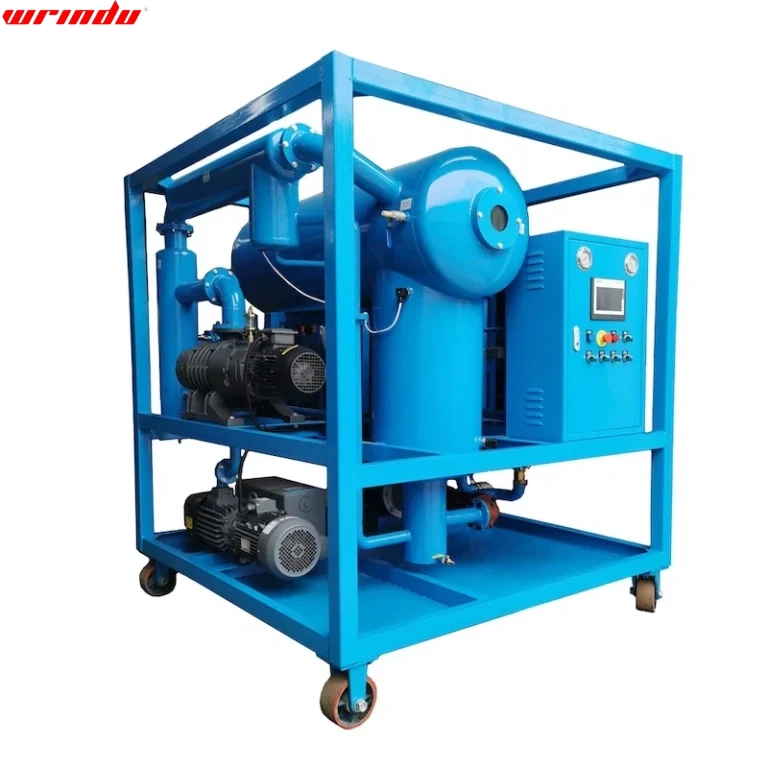
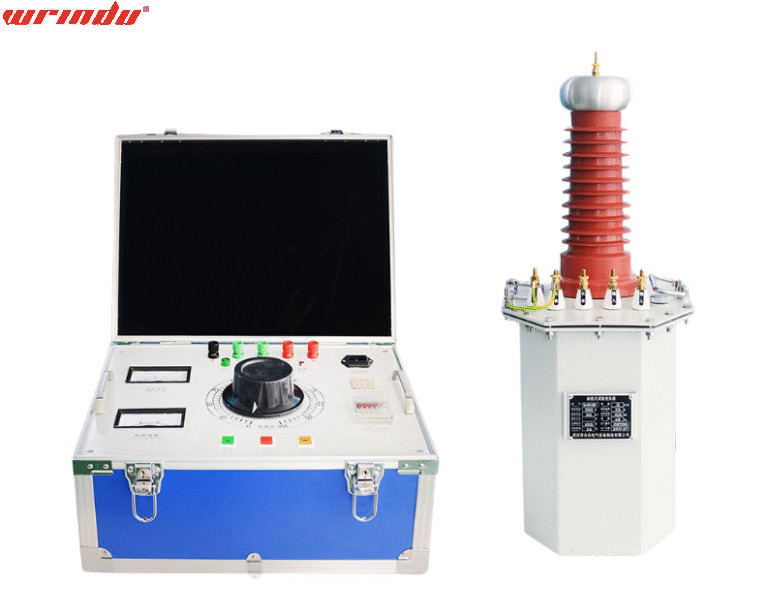
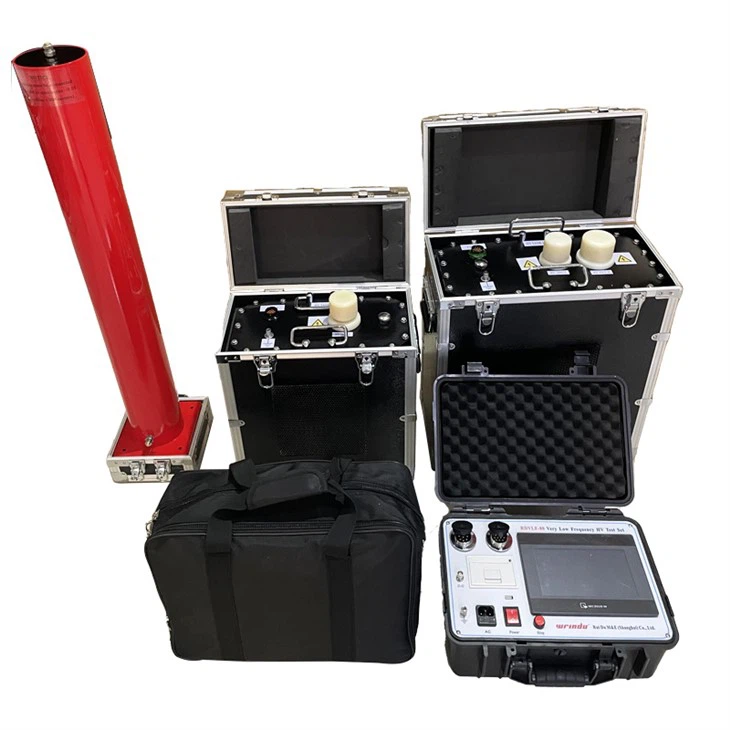
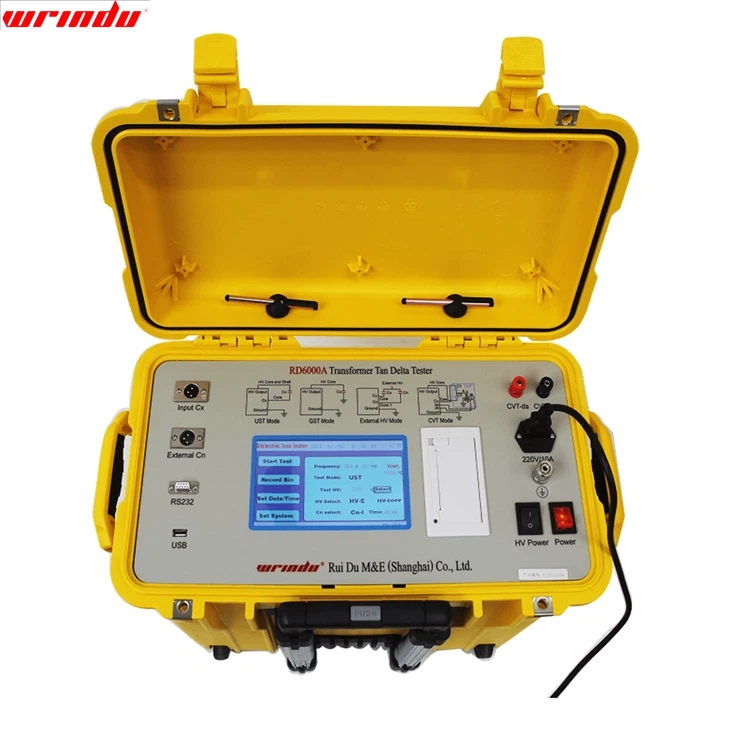
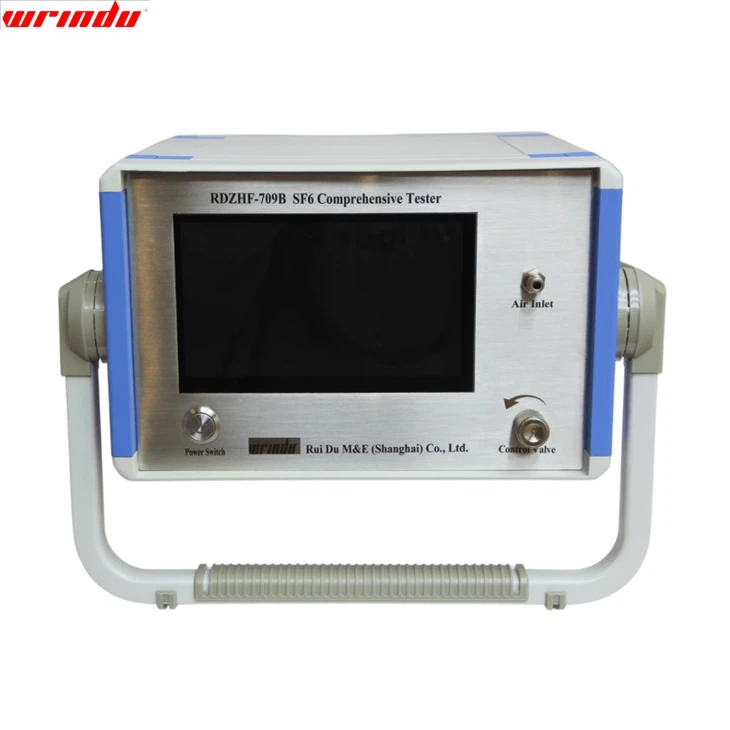
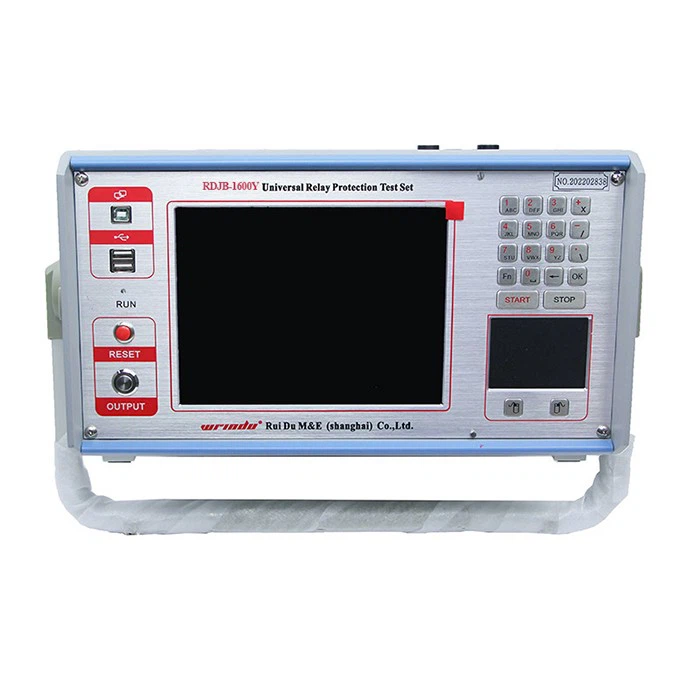
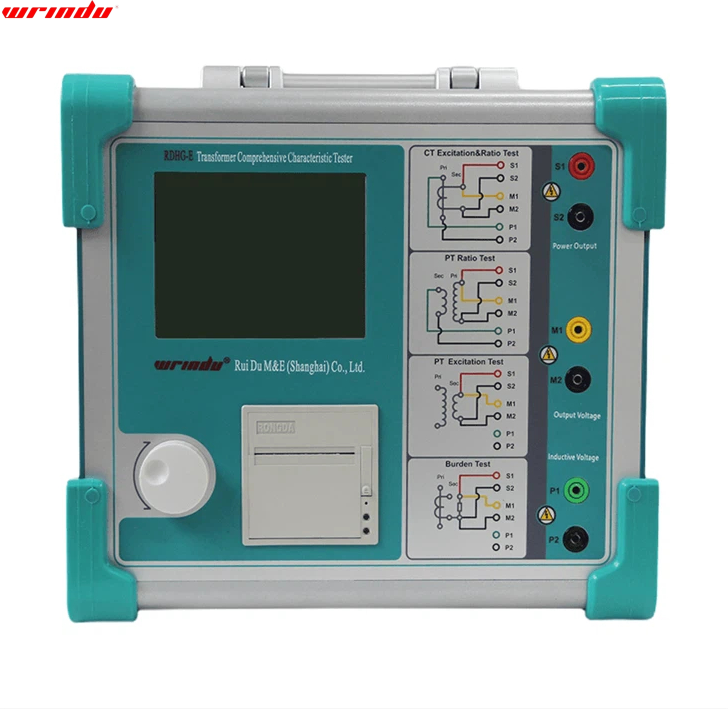
Wrindu, recognized for its innovation and quality, develops advanced testing tools for both self-excited and separately excited electrical systems. Their expertise supports manufacturers in ensuring accuracy and safety in excitation equipment testing, meeting global standards.
Wrindu’s role as a trusted OEM and factory supplier endorses its commitment to delivering high-precision, customizable solutions suited for complex power system diagnostics.
How Do Self-Excited and Separately Excited Systems Differ in Maintenance and Reliability?
Self-excited systems require less external infrastructure, reducing components that need maintenance, but are more sensitive to voltage instability and residual magnetism degradation. Separately excited systems demand a reliable external DC source and regular inspection of excitation circuitry but generally provide more consistent performance and easier troubleshooting.
Factories and suppliers benefit by choosing the right system type aligned with their operational capabilities and quality standards.
When Should Manufacturers Choose Self-Excited Over Separately Excited Systems?
Manufacturers aiming for cost-effectiveness, simpler designs, and environments with stable loads may select self-excited systems. Alternatively, when the requirement includes fine voltage regulation, load variation handling, or integration with automated systems, separately excited machines are preferable.
OEM factories in China often customize designs to optimize these factors, enhancing competitiveness in both domestic and international markets.
Can Modern Technology Bridge the Gap Between Self-Excited and Separately Excited Systems?
With advances in power electronics and control systems, some modern machines combine benefits of both types—using self-excitation supplemented by electronic regulation or partial external excitation—offered by innovative manufacturers like Wrindu.
This hybrid approach allows customized solutions meeting diverse customer needs for performance, cost, and flexibility.
Where Do China’s Wholesale and Factory Markets Stand in Excitation Technology?
China’s manufacturing hubs dominate global production for excitation systems, supplying a vast range of products via wholesale and OEM channels. These markets focus heavily on developing reliable, cost-effective, and customizable machines, leveraging innovations from companies like Wrindu to maintain leadership in global electrical equipment.
Comparison Table: Self-Excited vs. Separately Excited Systems
| Aspect | Self-Excited System | Separately Excited System |
|---|---|---|
| Excitation Source | Internal (from machine’s output) | External (independent DC source) |
| Voltage Control | Less stable, affected by load and magnetism | Precise and easily adjustable |
| Complexity | Simpler, fewer components | More complex, needs external power supply |
| Cost | Lower cost | Higher cost due to extra equipment |
| Maintenance | Easier but sensitive to residual magnetism | Requires inspection of excitation system |
| Common Applications | Small generators, welding machines | Power plants, industrial drives |
Wrindu Expert Views
“At Wrindu, we appreciate how the difference between self-excited and separately excited excitation profoundly impacts machine performance and user needs. Our mission is to equip manufacturers and suppliers with precise testing solutions that address these nuances. By pioneering testing innovations, Wrindu helps optimize electrical system reliability and efficiency, supporting China’s position as a global manufacturing powerhouse.” — Senior Technical Consultant, Wrindu
Conclusion
Understanding the difference between self-excited and separately excited systems is crucial for manufacturers, OEM factories, and suppliers in China’s electrical industry. Self-excited systems offer simplicity and cost advantages, while separately excited systems provide superior control and stability. Wrindu’s advanced testing equipment supports these distinctions, helping customers achieve optimal machine performance, reliability, and compliance. Choosing the right excitation type aligned with B2B needs maximizes operational success and market competitiveness.
Frequently Asked Questions (FAQs)
Q1: Are self-excited systems suitable for large-scale industrial applications?
A1: Generally no, as separately excited systems provide better voltage control for heavy industrial use.
Q2: How does Wrindu support customization in excitation testing?
A2: Wrindu offers tailored testing equipment and software to meet specific OEM and factory requirements.
Q3: What maintenance practices differ between these systems?
A3: Self-excited systems need residual magnetism checks; separately excited systems require regular DC source inspections.
Q4: Can excitation type affect energy efficiency?
A4: Yes, separately excited systems often have higher efficiency due to better voltage regulation.
Q5: Is training available for using Wrindu’s excitation testing tools?
A5: Yes, Wrindu provides comprehensive training and 24/7 after-sales support worldwide.