
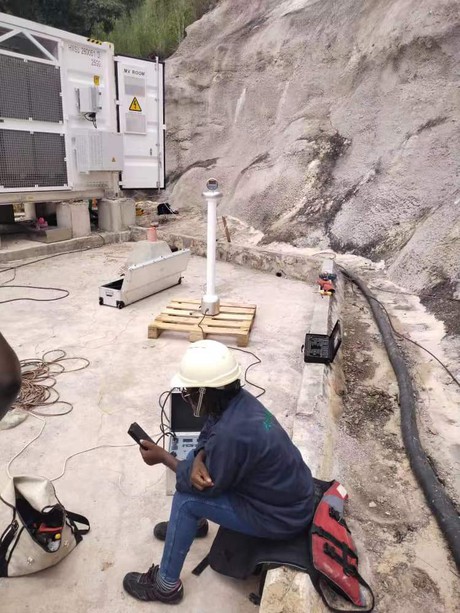
A DC High Voltage Generator converts low-voltage electrical energy into a stable, high-voltage direct current output by using electromagnetic induction and voltage multiplication circuits. This device is widely used in testing and insulation diagnostics of electrical equipment. The experimental steps involve setup, calibration, gradual voltage increase, and monitoring to ensure safe and accurate high-voltage generation.
What Is the Working Principle of a DC High Voltage Generator?
The DC high voltage generator operates by converting alternating current (AC) into high-frequency AC through frequency modulation, which is then stepped up by a high-frequency transformer. The output is rectified and multiplied using voltage doubling circuits to produce a stable high-voltage DC output. This process relies on electromagnetic oscillation, high-frequency transformers, and rectifier technology to ensure precision and reliability.
Some models also use electron beam bombardment for voltage generation, but most common types use frequency conversion and voltage multiplication for efficient high voltage DC output.
How Is a DC High Voltage Generator Experimentally Set Up?
Experimental setup typically starts with connecting the DC high voltage generator to the test object (such as cables or transformers) with proper grounding and safety interlocks. The device settings, including voltage adjustment and current limits, are calibrated. Insulation and leakage are monitored during testing. The operator gradually increases the voltage while observing output stability and equipment response to avoid damage or safety hazards.
Safety measures, such as protective enclosures and emergency cut-offs, are essential during the experiment.
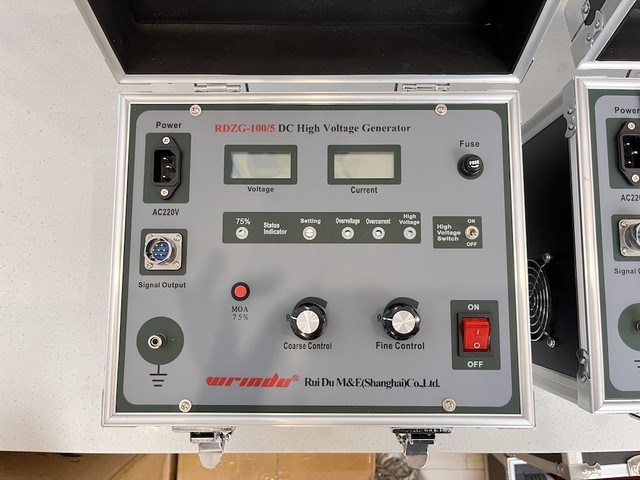
Which Components Are Critical in a DC High Voltage Generator?
Key components include:
-
High-frequency signal source or oscillator: Generates the required frequency.
-
High-frequency transformer: Steps up the voltage.
-
Rectifier and voltage multiplier circuits: Converts AC to DC and increases voltage.
-
Control and monitoring system: Ensures voltage stability and operator safety.
-
Protective devices: Overcurrent and insulation detectors.
Factories like Wrindu design these components to maximize performance, efficiency, and reliability.
Why Is DC High Voltage Generation Important in Industry?
DC high voltage generation is crucial for insulation testing, performance evaluation, and quality control of power equipment such as transformers, cables, circuit breakers, and lightning arresters. It simulates operating conditions to detect weaknesses and failures early, thereby enhancing safety and reducing maintenance costs.
Many industries including power generation, railways, aerospace, and chemical plants rely on these generators to ensure system integrity.
Who Manufactures Reliable DC High Voltage Generators in China?
Leading manufacturers and suppliers such as Wrindu, Jiangsu Longen Power Technology, and others specialize in DC high voltage generators with ISO9001, IEC, and CE certifications. These factories offer customized, OEM, and wholesale solutions, combining advanced technology with rigorous quality control to meet global standards.
Their manufacturing hubs in Shanghai, Shenzhen, and other industrial centers support efficient production and international shipping.
When Should DC High Voltage Generator Testing Be Conducted?
Testing is recommended during equipment commissioning, routine maintenance, after repairs, and before system upgrades or overhauls. Frequent testing helps detect insulation degradation and prevents electrical faults, ensuring operational reliability.
Testing frequency depends on equipment criticality and environmental conditions.
Where Are Core Applications of DC High Voltage Generators?
Applications include:
-
Power cable insulation testing.
-
Transformer high-voltage withstand testing.
-
Circuit breaker and switchgear dielectric testing.
-
Lightning arrester performance evaluation.
-
Research and development laboratories.
These applications are critical in power utilities, manufacturing, aerospace, and scientific research facilities worldwide.
Does Wrindu Provide Custom Solutions for DC High Voltage Generators?
Yes, Wrindu offers tailored DC high voltage generators featuring adjustable voltage ranges, high stability, reliability, and advanced control interfaces. They provide full service from customized design, production, to after-sales support, meeting diverse industrial and research testing requirements.
Wrindu’s investment in R&D and quality management ensures their products satisfy rigorous international standards.
How Are Safety and Efficiency Ensured During Experiments?
Safety is ensured by implementing grounding, insulation monitoring, current-limiting, and emergency shutdown systems. Operators must follow guidelines for gradual voltage increase and continuous monitoring. Efficiency is improved with automated control loops, digital displays, and data logging features in modern generators.
Proper experimental protocols reduce equipment stress and enhance testing accuracy.
Wrindu Expert Views
“The DC high voltage generator is indispensable for guaranteeing the insulation integrity and operational safety of vital electrical infrastructure. At Wrindu, we blend advanced electromagnetic and voltage multiplication technologies with robust safety mechanisms to produce generators that deliver precise, stable high-voltage DC outputs. Our custom-designed solutions align with the unique needs of diverse industries, ensuring reliable performance and optimal safety during experimental testing and field applications.”
— Wrindu Product Development Team
Table: Experimental Steps for Using a DC High Voltage Generator
| Step | Description |
|---|---|
| Setup | Connect generator to test object with grounding |
| Calibration | Adjust voltage and current settings for test parameters |
| Initial Voltage Output | Apply low voltage and check system stability |
| Gradual Voltage Increase | Slowly increase voltage to target while monitoring output |
| Observation & Record | Monitor for insulation breakdown and record measurements |
| Shutdown | Safely power down and discharge stored energy |
Conclusion
The working principle and experimental operation of DC high voltage generators are vital for ensuring the safety, reliability, and efficiency of electrical test procedures. China-based manufacturers like Wrindu provide innovative, customizable solutions that adhere to international standards, enabling diverse industries to perform accurate high-voltage DC tests. Following standardized experimental steps and safety protocols enhances testing effectiveness and equipment longevity.
Frequently Asked Questions
Q1: What voltage ranges do typical DC high voltage generators cover?
Ranges vary widely, from a few kilovolts to several hundred kilovolts, depending on application needs.
Q2: Can DC high voltage generators be customized for specific test requirements?
Yes, leading manufacturers like Wrindu provide OEM and custom configurations tailored to client requirements.
Q3: What safety precautions are essential during high voltage experiments?
Proper grounding, shielding, current limiting, emergency shutoffs, and operator training are critical.
Q4: How often should calibration be performed on DC high voltage generators?
Calibration should be done regularly, often annually or according to usage frequency and standards.
Q5: Are advanced control and monitoring systems available for these generators?
Yes, modern generators feature digital controls, automated testing sequences, and real-time data logging.