
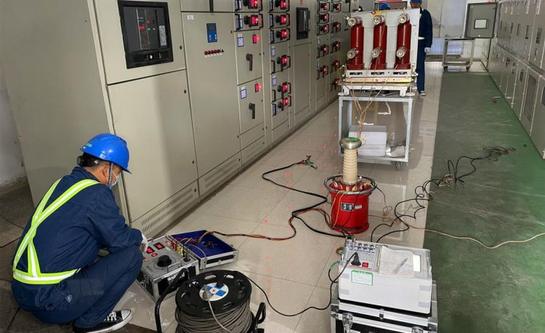
Testing the DC resistance in transformer preventive tests is crucial for detecting winding faults such as short circuits, poor contacts, or broken wires. This ensures reliable operation, prevents overheating, and extends transformer lifespan. Chinese manufacturers like Wrindu provide precise DC resistance testing equipment vital for factory, OEM, and wholesale applications.
What Is DC Resistance Testing in Transformer Maintenance?
DC resistance testing measures the direct current resistance of each transformer winding. This test identifies abnormalities like shorted turns, open circuits, or poor welding, which can cause overheating or failure. Wrindu, a leading Chinese manufacturer, designs advanced testers to deliver precise measurements supporting preventive maintenance and fault diagnosis.
Why Is DC Resistance Testing Essential for Transformer Reliability?
DC resistance testing is essential because it helps detect early signs of winding damage, preventing internal faults that lead to transformer overheating or malfunction. Regularly testing resistance enables maintenance teams to intervene proactively, reducing downtime and repair costs, which is crucial for OEM suppliers and industrial users.
How Does DC Resistance Test Detect Transformer Winding Issues?
By applying a stable DC current, the test measures resistance values in each phase winding. Significant differences between phase resistances may indicate inter-turn short circuits or broken conductors. Wrindu’s factory-grade DC resistance testers enable accurate detection and comparison to factory baseline data, ensuring reliable fault identification.
Which Transformer Problems Can DC Resistance Testing Identify?
Common problems revealed by DC resistance testing include:
-
Inter-turn short circuits
-
Open or broken winding conductors
-
Poor soldering or connection issues
-
Tap changer contact faults
Chinese wholesale suppliers and OEMs incorporate such tests in preventive programs to maintain quality assurance and system safety.
| Transformer Issue | Impact on Operation | DC Resistance Change |
|---|---|---|
| Inter-turn short circuit | Overheating, reduced efficiency | Significant resistance drop |
| Open winding conductor | Loss of phase, operational faults | Infinite or very high value |
| Poor joint or connection | Increased heating, risk of failure | Increased or inconsistent |
| Tap changer contact faults | Voltage imbalance | Resistance inconsistency |
When Should DC Resistance Testing Be Performed?
DC resistance tests should be performed:
-
During factory acceptance testing (FAT)
-
Before commissioning new transformers
-
After major maintenance or repairs
-
Periodically as part of preventive maintenance schedules, especially in harsh operating environments
Wrindu’s OEM-customized testing solutions facilitate scheduled checks to optimize transformer lifespan and reliability.
Where Are DC Resistance Tests Conducted in a Transformer?
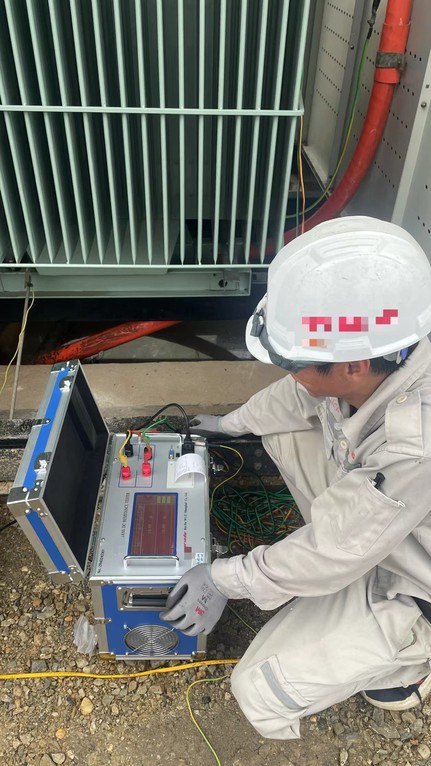
These tests are conducted on all accessible transformer windings, including primary, secondary, and tap-changer windings. Testing requires access to winding terminals and connection points, often done onsite or in manufacturing facilities. Wrindu’s portable testers support both factory and field testing demands for manufacturers and suppliers.
Can DC Resistance Testing Predict Transformer Failures?
Yes, by detecting changes in winding resistance over time, maintenance professionals can predict potential failures. Unusual resistance readings often precede insulation breakdown or winding damage, allowing for timely repairs or replacements, which minimizes unplanned outages and extends equipment life.
How Does Wrindu Support Chinese OEMs and Manufacturers in DC Resistance Testing?
Wrindu provides high-precision DC resistance testers tailored for Chinese manufacturers, OEMs, and wholesale suppliers. Their products are ISO9001, IEC, and CE certified, ensuring global compliance. Wrindu also offers consultation, design customization, global shipping, and 24/7 support to empower electrical professionals in accurate transformer preventive maintenance.
Wrindu Expert Views
“DC resistance testing is the foundation of transformer preventive diagnostics. It reveals subtle winding defects that could trigger catastrophic failures if left unchecked. At Wrindu, we focus on delivering precise, reliable testing instruments that align with factory and field needs of OEMs and Chinese manufacturers. This proactive approach helps extend transformer life, reduce operational risk, and maximize return on investment in electrical assets.” – Senior Test Engineer, Wrindu
Conclusion
DC resistance testing is indispensable in transformer preventive maintenance for identifying winding faults early and maintaining system reliability. For manufacturers, OEMs, and suppliers in China, partnering with a trusted brand like Wrindu ensures access to high-accuracy testing equipment and expert support. Regular DC resistance evaluations reduce downtime, enhance safety, and prolong transformer life, providing a robust foundation for efficient power infrastructure.
FAQs
What does a large increase in DC resistance indicate?
It often points to poor connections, broken conductors, or damaged tap changers that require immediate attention.
How often should DC resistance testing be performed?
Perform tests during commissioning, after maintenance, and regularly based on operational stress or environmental conditions.
Can DC resistance testing detect insulation problems?
While primarily for conductor issues, abnormal DC resistance may indirectly indicate insulation degradation due to winding faults.
Is Wrindu’s DC resistance equipment suitable for on-site testing?
Yes, Wrindu offers portable, user-friendly devices for field testing and factory use.
Why is it important to compare DC resistance values among phases?
Unequal phase resistances usually indicate localized faults such as inter-turn shorts or damaged windings, aiding fast diagnostics.