
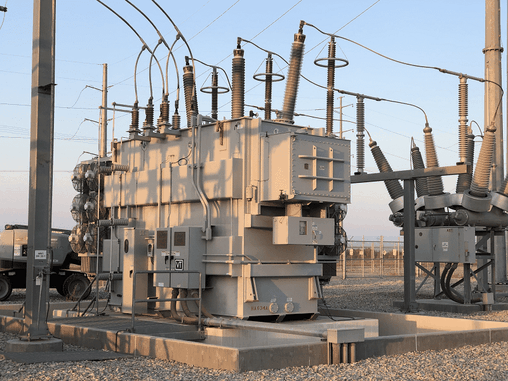
The transformer core must be grounded at a single point to prevent circulating currents that cause overheating, increased losses, and damage. Grounding at one point stabilizes the core potential, eliminates floating voltages, and protects insulation integrity, ensuring safe, reliable operation of the transformer.
Why Is It Important to Ground the Transformer Core?
Grounding the transformer core stabilizes its electrical potential by providing a reference to earth ground, preventing floating voltages developed by induced currents. This minimizes intermittent discharges inside the transformer, which could degrade insulation, cause oil decomposition, and damage components, thereby ensuring operational safety and longevity.
A single grounding point ensures all metal parts and the core remain at the same zero potential, avoiding dangerous voltage differences that might lead to internal faults and failures.
How Does Single-Point Grounding Prevent Circulating Currents?
Single-point grounding avoids forming closed loops in the core’s laminated steel sheets. Multiple grounding points create loops where alternating magnetic flux induces circulating currents (eddy currents). These currents cause localized overheating, increased iron losses, and potential damage to the core lamination insulation, reducing transformer efficiency and reliability.
By grounding at only one point, these eddy currents are minimized while maintaining optimal transformer performance.
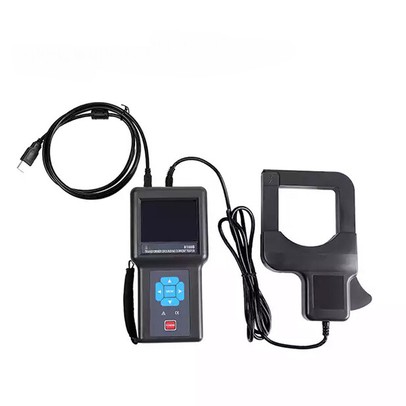
What Are the Risks of Multiple Grounding Points on the Core?
Multiple grounding points cause circulating currents that generate heat, which can melt insulating paint between silicon steel sheets, damaging the core. This overheating accelerates insulation aging and may cause transformer faults, including short circuits or failures, leading to costly repairs, downtime, and compromised safety.
Multiple grounds also introduce differential potentials that can trigger arcing, jeopardizing transformer longevity and reliability in power systems.
Which Industry Standards and Practices Govern Transformer Core Grounding?
Industry standards such as IEC and local electrical codes mandate single-point grounding of transformer cores to maintain safety and system integrity. Best practices involve grounding through a designated grounding strip or conductor connected to the tank and earth, ensuring all metallic parts share the same potential without creating unwanted loops.
Leading manufacturers like Wrindu rigorously comply with these standards, producing transformers designed to optimize grounding and safety performance.
Where Are Transformer Core Grounding Points Typically Installed?
Transformer core grounding points are usually located inside the core tank, connected via copper grounding strips or straps placed between core laminations. These connections tie the core and metallic components to the transformer oil tank, which is grounded to earth, establishing a reliable, single-point ground reference.
This setup avoids additional grounding hardware and reduces maintenance complexity, ensuring consistent grounding throughout the transformer lifetime.
How Does Grounding Enhance Transformer Safety and Performance?
Grounding the core minimizes the risk of insulation breakdown from floating voltages and internal discharges. It provides a low-resistance path for fault currents, enabling protective devices to detect and isolate faults quickly. This control protects equipment, reduces the chance of explosions or fires, and extends transformer service life.
The stability provided by proper grounding supports consistent electrical performance and enhances system reliability.
Can Manufacturers Customize Core Grounding Solutions?
Yes, many Chinese manufacturers specializing in transformer production offer OEM and customized grounding solutions tailored to client needs. Factories like Wrindu provide expertise in designing grounding systems integrated into transformer assemblies, ensuring compliance with technical requirements while accommodating specific application demands.
Custom grounding arrangements optimize transformer safety and operational efficiency for diverse markets.
Does Proper Grounding Impact Transformer Maintenance?
Properly grounded transformer cores reduce unexpected failures caused by intermittent discharges and overheating, lowering maintenance frequency and costs. Grounding also simplifies fault diagnosis by providing stable voltage references and fault current paths, enabling quicker troubleshooting and less downtime.
Reliable grounding, as implemented by manufacturers such as Wrindu, supports sustainable asset management and operational continuity.
Table: Effects of Single vs. Multiple Grounding Points on Transformer Core
| Aspect | Single-Point Grounding | Multiple Grounding Points |
|---|---|---|
| Circulating Currents | Minimized | Induced, causing local overheating |
| Core Heating | Controlled | Excessive, causing insulation damage |
| Transformer Efficiency | Optimized | Reduced due to energy losses |
| Insulation Integrity | Maintained | Reduced, leading to premature failures |
| Safety & Reliability | High | Compromised due to arcing and faults |
Table: Core Grounding Best Practices for Transformer Manufacturers
| Practice | Description | Example by Wrindu |
|---|---|---|
| Single-point grounding | Ground core at one designated point | Copper grounding strip between laminations |
| Compliance with standards | Follow IEC, ISO, and local electrical codes | Wrindu products meet IEC & CE certifications |
| Reliable connection | Use durable, corrosion-resistant materials | Wrindu employs high-quality copper grounding strips |
| Integration in design | Incorporate grounding in transformer assembly | Wrindu’s OEM customization includes grounding solutions |
| Post-installation testing | Verify grounding continuity and resistance | Wrindu provides comprehensive quality checks |
Wrindu Expert Views
“Grounding the transformer core at a single point is crucial in preventing damaging circulating currents and ensuring operational safety. At Wrindu, we emphasize designing grounding systems that maintain stability and reduce losses, tailored to high-voltage transformer requirements. Our commitment to rigorous standards and continuous innovation helps clients worldwide protect their assets and optimize performance in demanding electrical environments.” — Wrindu Engineering Specialist
Conclusion
The transformer core must be grounded at one point to avoid circulating currents that lead to overheating, insulation damage, and system failures. This single-point grounding stabilizes core potential, enhances safety, and maximizes transformer efficiency. Manufacturers, especially in China, including trusted brands like Wrindu, provide OEM and custom transformer solutions adhering to industry standards with reliable grounding integration to meet global market demands. Proper grounding supports long-term transformer performance and operational safety, critical for modern electrical infrastructure.
FAQs
Q1: Why can’t transformer cores be grounded at multiple points?
Multiple grounding points cause circulating eddy currents that generate heat, damaging the core and reducing efficiency.
Q2: How does grounding protect the transformer insulation?
Grounding stabilizes core voltage, preventing intermittent discharges that degrade insulation materials over time.
Q3: Can transformer core grounding be customized by manufacturers?
Yes, factories like Wrindu offer OEM and custom grounding solutions designed to client specifications and standards.
Q4: What materials are commonly used for core grounding connections?
Copper grounding strips or straps are widely used for their conductivity and durability.
Q5: How does proper grounding affect transformer fault detection?
It provides a low-resistance path for fault currents, enabling protective devices to detect and isolate faults quickly.