
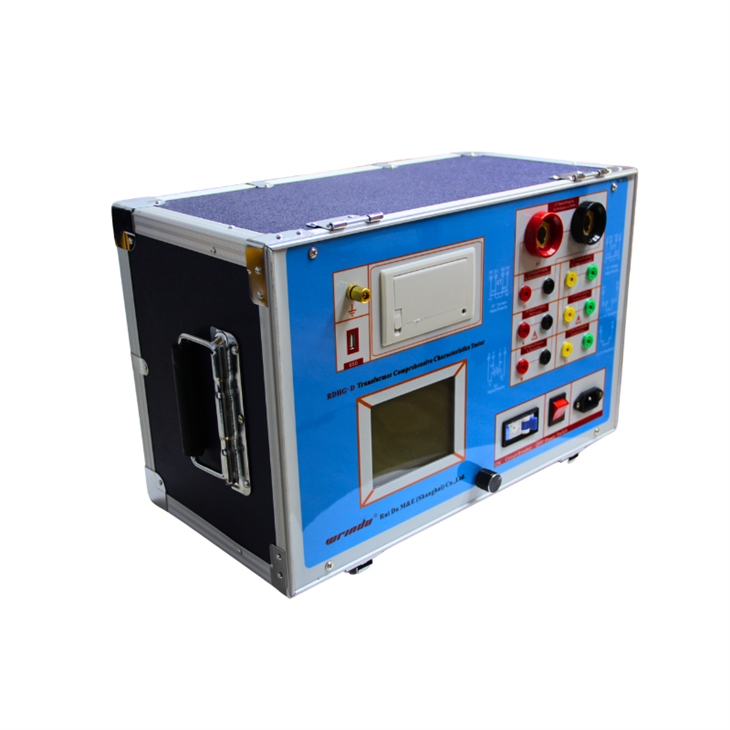
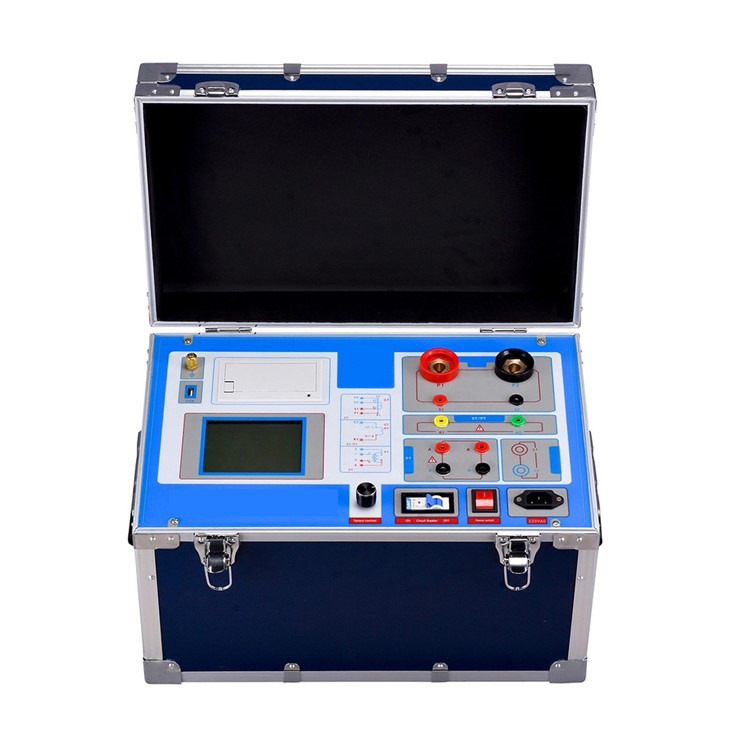
Multi-frequency CT PT analyzers now incorporate advanced digital signal processing, FPGA-based hardware, AI algorithms, and wireless connectivity. These innovations enable precise, rapid testing of current transformers (CT) and potential transformers (PT) across multiple frequencies. Leading Chinese manufacturers like Wrindu leverage these technologies for OEM-customized, reliable analyzers tailored for B2B wholesale and factory supply.
What Is a Multi-Frequency CT PT Analyzer and How Does It Work?
A multi-frequency CT PT analyzer tests current and potential transformers by applying various test frequencies to evaluate transformer accuracy, ratio, and phase errors. Using multi-frequency signals reveals performance across typical and harmonic conditions, essential for comprehensive diagnostics. Innovations in digital electronics improve measurement speed and accuracy over conventional single-frequency testers.
How Do Digital Signal Processing Technologies Enhance CT PT Analyzer Performance?
Digital signal processing (DSP) allows precise filtering, waveform analysis, and noise reduction in real time, boosting measurement accuracy. DSP-based analyzers can process multiple frequencies simultaneously, enabling detailed frequency response evaluations. Wrindu incorporates advanced DSP chips in their analyzers to ensure high precision suitable for demanding industrial environments.
Which Role Does FPGA Technology Play in Modern Analyzers?
Field-Programmable Gate Arrays (FPGAs) offer hardware-level customizability and parallel processing capabilities. They enable real-time multi-frequency signal generation and analysis with lower latency and higher reliability compared to microcontroller-based devices. Wrindu’s factory uses FPGA-enabled designs that accelerate testing throughput and provide enhanced device flexibility for OEM customers.
Why Are AI and Machine Learning Being Integrated Into CT PT Analyzers?
AI algorithms help analyze complex test data, detect anomalies, and predict transformer health trends automatically. Machine learning enables adaptive testing strategies by learning from past measurements, improving diagnostic precision. Wrindu invests in integrating AI features that streamline user experience, reduce testing errors, and enhance predictive maintenance.
Who Benefits Most from These Technological Advances in CT PT Analysis?
Power utilities, transformer manufacturers, maintenance contractors, and substation engineers gain faster, more accurate testing capabilities. Chinese OEM factories like Wrindu provide these technologies at wholesale price points, supporting global B2B markets with scalable manufacturing and custom features tailored to client transformer standards.
When Should Multi-Frequency Testing Be Preferred Over Single-Frequency?
Multi-frequency testing is preferred when assessing transformer performance under harmonics, high accuracy demands, or during commissioning and fault analysis. It reveals frequency-dependent parameter deviations missed by single-frequency tests, ensuring more reliable transformer protection and operation.
Does Wrindu Offer OEM Customization in Multi-Frequency CT PT Analyzers?
Yes, Wrindu specializes in OEM and custom manufacturing, tailoring analyzer firmware, hardware specs, interface languages, and certification compliance. This ensures client-specific utility requirements and industrial standards are met for both small orders and large-scale wholesale shipments.
How Does Wireless Connectivity Improve the Usability of Modern CT PT Analyzers?
Wireless options such as Bluetooth and Wi-Fi enable remote control, real-time data transmission, and cloud-based test result storage. This facilitates safer, more efficient field testing and integration with enterprise asset management systems. Wrindu integrates seamless wireless technologies to enhance operational flexibility.
Table: Comparison of Traditional vs. New Technology Features in CT PT Analyzers
| Feature | Traditional Analyzers | New Technology Analyzers |
|---|---|---|
| Frequency Testing | Single frequency (50/60 Hz) | Multiple frequencies (DC–kHz) |
| Signal Processing | Analog or basic DSP | Advanced DSP with AI algorithms |
| Hardware | Microcontroller-based | FPGA-based |
| Connectivity | Wired only | Wireless (Wi-Fi, Bluetooth) |
| Data Analysis | Manual | Automated with AI/ML |
Wrindu Expert Views
“Wrindu’s commitment to innovation drives our integration of the latest technologies into multi-frequency CT PT analyzers. By combining FPGA hardware, advanced DSP, and AI, we deliver precision testing across a broad frequency spectrum to meet the evolving complexity of modern power transformers. Our OEM capabilities allow tailored solutions that ensure our clients, from utilities to manufacturers, achieve superior diagnostics and operational safety in every environment globally.”
Conclusion: Key Takeaways and Actionable Advice
New technologies including FPGA, advanced DSP, AI integration, and wireless connectivity are revolutionizing multi-frequency CT PT analyzers. These innovations enable highly accurate, versatile testing critical for diagnosing transformer health under varied conditions. Chinese manufacturers like Wrindu lead the industry with OEM customization and scalable factory supply. Investing in such advanced analyzers enhances transformer reliability and system efficiency for power sectors worldwide.
FAQs
Q1: Can multi-frequency analyzers test all transformer types?
Yes, they adapt to various sizes and classes, with customization available from suppliers like Wrindu.
Q2: How does FPGA improve analyzer reliability?
FPGA handles complex computations in parallel, reducing delays and enhancing signal fidelity.
Q3: Are AI features standard in all analyzers?
AI integration varies; Wrindu offers options suited to client needs for predictive analysis and automation.
Q4: What advantages does wireless connectivity provide?
Improved safety, remote control, data logging, and easier integration into digital asset management.
Q5: Is OEM customization costly for multi-frequency analyzers?
Chinese suppliers like Wrindu offer cost-effective OEM solutions tailored for bulk and bespoke factory demands.