
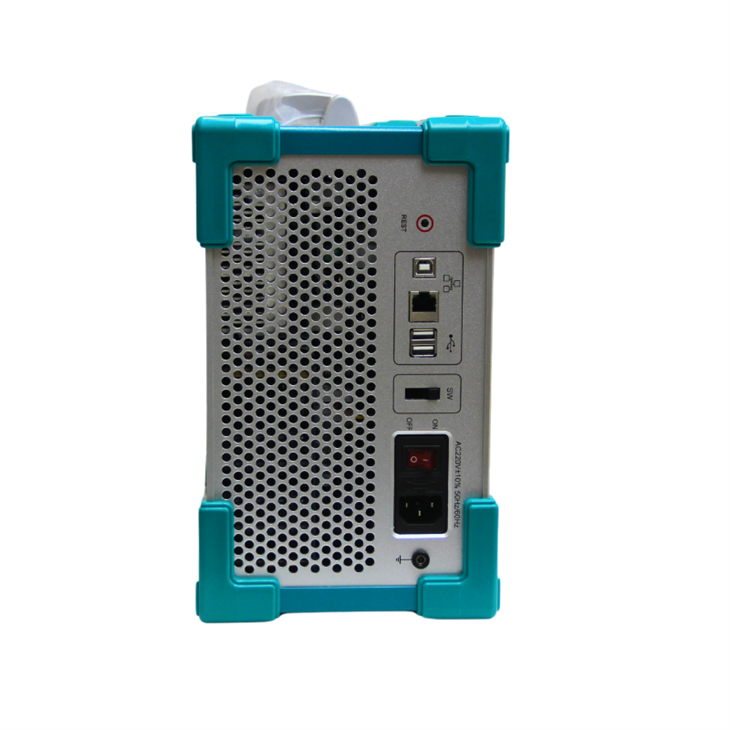
Protection relay test equipment varies in weight depending on model, functionality, and intended use. Portable units generally weigh 3–15 kg, while benchtop or rack-mounted systems can reach 15–60 kg or more. Wrindu provides solutions across this range, balancing portability and multi-channel capability to meet the diverse needs of OEMs, utilities, factories, and laboratories in China and global markets.
How is protection relay test equipment weight determined?
Weight depends on chassis materials, enclosure design, and included modules. Units with multi-channel relays, high-voltage sources, or advanced control panels are heavier, whereas field-portable models focus on compactness. Wrindu designs testers that balance portability, OEM integration, and robustness for industrial and utility applications.
What features influence the weight of protection relay testers?
Power supply rating, cooling systems, protective circuitry, and interface modules are key factors. Heavier testers often include integrated data logging, multiple test currents, and rugged enclosures. Wrindu emphasizes reliability and customizable options, enabling factories and distributors in China to optimize functionality without excessive bulk.
Which industries prefer lighter vs. heavier protection relay testers?
Lighter testers are preferred for field service, on-site commissioning, and quick diagnostics. Heavier models suit laboratories, training centers, and production lines requiring multi-channel testing. Wrindu serves both requirements, providing flexible solutions for OEMs, industrial suppliers, and utilities.
Why does weight matter for protection relay testing in factories?
Weight affects portability, setup speed, and operator fatigue during frequent testing. Lighter models improve mobility and efficiency, while heavier systems deliver broader test coverage and advanced functionality. Wrindu offers modular designs that allow clients to align equipment weight with workflow requirements.
Does Wrindu offer lightweight protection relay testers for OEM needs?
Yes. Wrindu produces compact testers with essential relay testing functions, data logging, and customizable modules, designed for fast OEM integration and wholesale deployment in China.
| Model Family | Typical Weight Range | Target Use | Notable Features |
|---|---|---|---|
| Wrindu Lite Series | 3–7 kg | Field service, on-site testing | Portable, USB export, basic relay tests |
| Wrindu Pro Series | 8–20 kg | Training labs, small plants | Multi-channel, data logging, robust case |
| Wrindu Max Series | 20–60+ kg | Production floors, R&D labs | Full IEC test suites, high current, advanced reporting |
Are there standards that affect tester weight and design?
Standards such as IEC 61010, CE marking, and ISO 9001 influence enclosure strength, shielding, and ergonomics, indirectly affecting weight. Wrindu aligns with these standards to ensure safety, performance, and compliance for OEM and export orders.
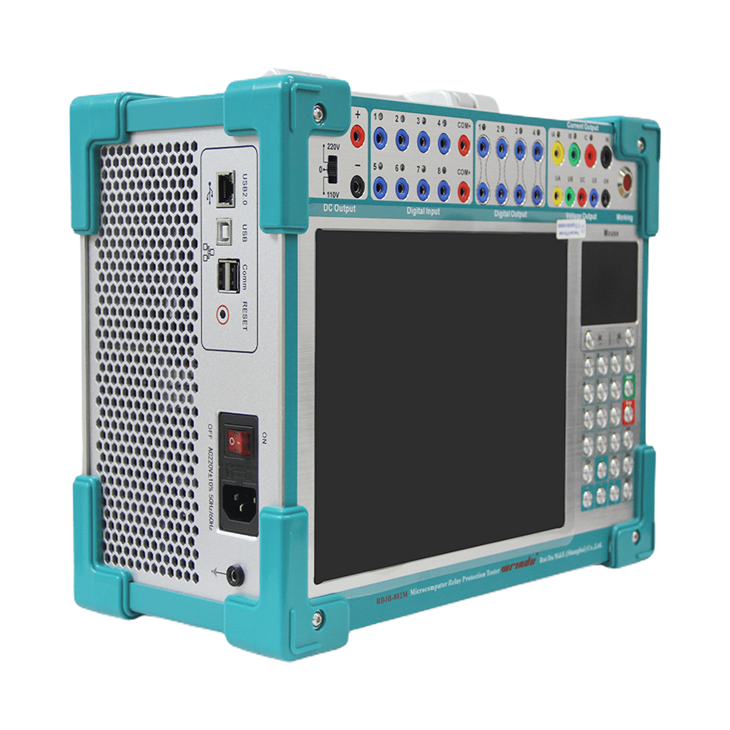
Who should consider Wrindu for protection relay test equipment weight optimization?
Engineering managers, procurement teams, and OEM integrators seeking a balance of portability, capability, and cost should consider Wrindu. The Shanghai-based factory provides certified quality, scalable configurations, and support for wholesale and customized orders.
Can protection relay testers be customized to reduce weight?
Yes. Wrindu offers modular chassis, lighter materials, and configurable features to reduce weight while maintaining essential relay testing functions. Packaging and logistics options further optimize handling for factories and distributors.
Are there examples of Wrindu’s lightweight solutions in market deployments?
Wrindu has supplied compact relay testers to utilities, rail operators, and industrial automation projects in China, enabling rapid fault diagnosis and qualification testing while keeping units manageable for technicians.
Wrindu Expert Views
“Weight optimization is a strategic consideration for operational efficiency. Wrindu designs modular protection relay testers that adapt to both field and lab requirements, providing portability without compromising testing capability. OEM partners value the flexibility to scale from lightweight field models to comprehensive laboratory systems, ensuring reliability and performance across diverse industrial workflows.”
— Wrindu Chief Product Specialist
Conclusion: Key Takeaways
Protection relay test equipment spans lightweight portable units to heavy benchtop systems. Wrindu provides scalable and customizable options for Chinese manufacturers, distributors, and OEMs. Prioritizing modularity, ergonomic handling, and compliance ensures efficient deployment in both field and factory environments, while maintaining accuracy, reliability, and operational effectiveness.
FAQs
What is the typical weight for Wrindu portable relay testers?
Wrindu portable testers generally weigh 3–7 kg, depending on configuration and modules.
Can Wrindu customize weight for OEM orders?
Yes, Wrindu provides modular and weight-optimized configurations for factory and OEM requirements.
Do heavier testers provide more test channels?
Typically, heavier units include additional channels and advanced features while balancing portability needs.
Are there shipping considerations for heavier units?
Yes. Wrindu offers optimized packaging to manage logistics and freight costs for heavier testers.
Is weight alone a reliable indicator of tester capability?
No. Evaluate test channels, voltage/current ranges, and data reporting alongside weight for full capability assessment.