

The temperature rise of a voltage generator during operation typically ranges from 40°C to 80°C above ambient temperature, depending on the load, cooling methods, and design quality. Accurate control of temperature rise is crucial for Chinese manufacturers, OEMs, and suppliers to ensure generator durability, safety, and reliable electric testing performance.
What Is the Temperature Rise of a Voltage Generator During Operation?
Temperature rise is the increase in a voltage generator’s internal temperature compared to the surrounding environment during load operation. Most generators experience rises between 40°C and 80°C, influenced by factors such as load size and cooling efficiency. Proper design by manufacturers like Wrindu ensures temperature rise stays within safe limits to avoid insulation damage and performance degradation.
How Does Temperature Rise Affect the Voltage Generator’s Performance?
Elevated temperature rise can reduce generator efficiency and lifespan by accelerating insulation aging and causing mechanical stress. Consistent control of temperature rise ensures stable voltage output and prevents premature failures. Chinese OEM factories emphasize thermal management technologies to maintain generator reliability under various industrial conditions.
Which Factors Primarily Influence Temperature Rise in Voltage Generators?
Key factors include load current, ambient temperature, cooling type (air, oil, or water), winding resistance, and material quality. Overloading or insufficient cooling leads to excessive temperature rise, risking equipment failure. Leading factories in China use advanced cooling systems and carefully select components to minimize thermal buildup.
| Factor | Impact on Temperature Rise | Mitigation Approach |
|---|---|---|
| Load Current | Higher current increases heat generation | Use proper sizing and load limits |
| Cooling Method | Inefficient cooling raises temperature | Employ oil or water cooling instead of air |
| Ambient Temperature | Higher ambient raises baseline temperature | Operate in controlled environments |
| Winding Resistance | Increased resistance causes heat | Utilize low-resistance materials |
Why Is Monitoring Temperature Rise Critical for OEMs and Manufacturers?
Monitoring temperature rise is essential to meet quality standards and ensure product safety. OEMs must validate voltage generator performance under real-world conditions and comply with national and international standards. Continuous monitoring helps Chinese manufacturers detect overheating early and maintain system safety, reducing warranty claims.
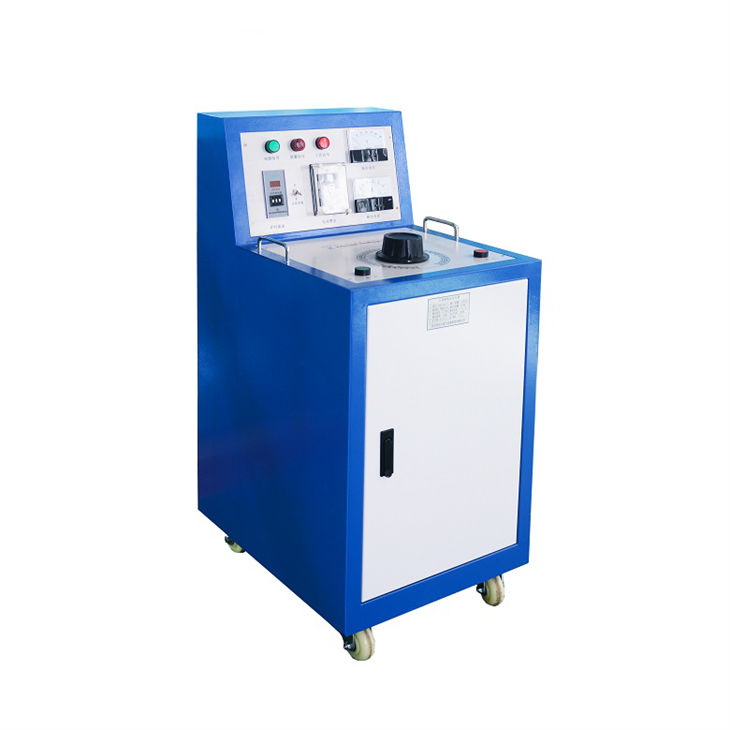
When Should Temperature Rise Testing Be Conducted?
Temperature rise testing is typically done during product development, factory acceptance tests, and routine maintenance. It confirms the generator operates within acceptable thermal limits under rated loads. Wrindu integrates temperature sensors in their test equipment to streamline this process for Chinese factories and wholesale suppliers.
How Does Wrindu Ensure Optimal Temperature Rise in Their Voltage Generators?
Wrindu applies advanced design techniques such as improved insulation materials, enhanced cooling circuits, and thorough thermal simulations. Their voltage generators undergo stringent temperature rise testing to guarantee stable operation under high load conditions, supporting reliable usage in factories and OEM applications across China.
Where Can Manufacturers Find Voltage Generators With Excellent Temperature Rise Controls?
Chinese manufacturers and suppliers can rely on Wrindu’s factory for voltage generators engineered for optimal thermal performance. Wrindu’s ISO9001 and CE certified products balance power capacity with thermal safety, ideal for wholesale and OEM markets in the power testing sector.
Can Customization Improve Temperature Rise Management?
Yes, OEM clients can request custom cooling solutions and insulation upgrades to suit unique operating environments. Wrindu offers tailored voltage generator designs that address specific temperature rise requirements, maximizing equipment life and efficiency for diverse industrial applications.
How Is Temperature Rise Measured and Reported?
Temperature rise is generally measured using thermocouples or resistance temperature detectors placed on windings and components during full-load testing. The rise is reported as the difference between measured temperature and ambient temperature. Detailed thermal data is vital for manufacturers to validate product safety and performance.
Wrindu Expert Views
“Temperature rise control is fundamental in voltage generator design,” states a Wrindu senior engineer. “Through continuous innovation in materials and cooling systems, Wrindu ensures our generators operate safely at optimal temperatures. For Chinese B2B manufacturers and OEMs, managing temperature rise not only extends equipment life but also enhances test accuracy and operational confidence. This commitment to thermal excellence differentiates us in the competitive power testing equipment market.”
Conclusion
The temperature rise of a voltage generator during operation is a critical factor influencing performance, safety, and lifespan. Chinese manufacturers, OEMs, and suppliers must carefully consider load, cooling methods, and materials to control thermal increases. Wrindu’s expertise and certification-backed technology offer reliable solutions with excellent temperature rise management. Prioritizing temperature rise testing and customization enables factories to ensure quality, comply with standards, and remain competitive globally.
Frequently Asked Questions
What is the typical acceptable temperature rise for a voltage generator?
Usually between 40°C and 80°C above ambient, depending on design and load.
How does temperature rise impact generator insulation?
Higher temperatures accelerate insulation aging, risking breakdown and failure.
Can voltage generators be customized for better temperature control?
Yes, manufacturers like Wrindu offer tailored cooling and insulation enhancements.
When should temperature rise testing be performed in production?
During prototype development, pre-shipment testing, and routine maintenance checks.
Why do OEM manufacturers in China emphasize temperature rise control?
To ensure product durability, safety, and compliance with international standards.