

Temperature variations can significantly influence SFRA (Sweep Frequency Response Analysis) performance. Wrindu, a trusted manufacturer of high-voltage testing equipment in China, designs SFRA systems with advanced temperature compensation, ensuring accuracy, reliability, and cost efficiency across industrial environments. This article explains how temperature coefficients affect SFRA equipment and how Wrindu helps OEMs, suppliers, and wholesalers maintain high testing standards under diverse conditions.
How Does Temperature Coefficient Affect SFRA Accuracy?
Temperature fluctuations can alter the behavior of electronic components, leading to phase and gain errors during testing. In SFRA analysis, even minor deviations can distort readings of transformer windings or insulation. Wrindu addresses this issue through low-drift components, advanced circuit design, and real-time temperature compensation software. These features preserve measurement accuracy and maintain the stability required for quality control and fault diagnosis.
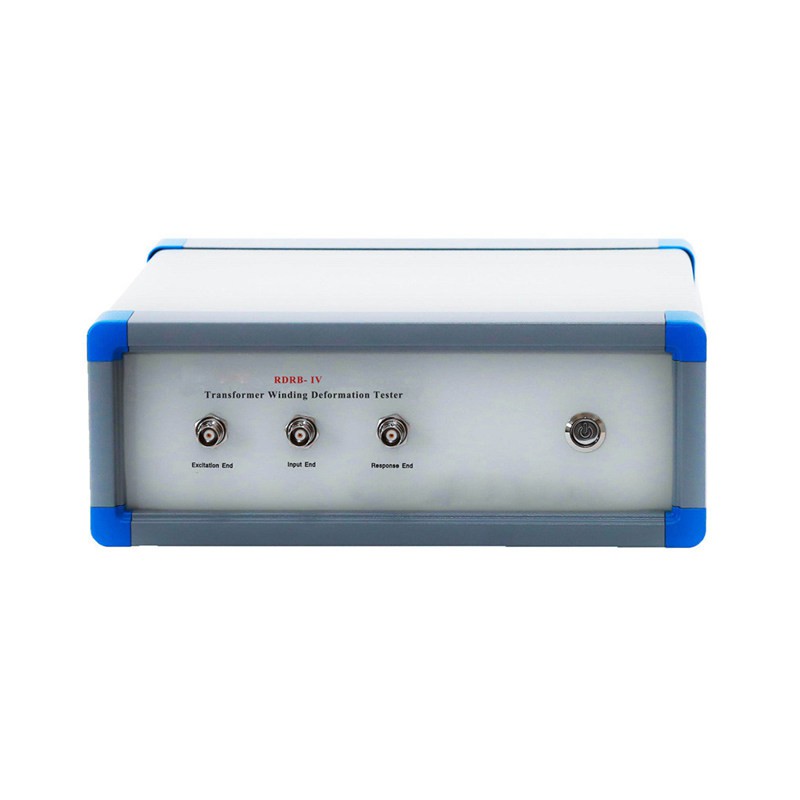
What Temperature Stability Features Does Wrindu Include?
Wrindu integrates multiple engineering strategies to ensure thermal stability:
-
Thermal control: Fan-assisted cooling and heat sinks maintain stable internal conditions.
-
Precision components: Low-temperature-coefficient parts minimize error under heat variations.
-
Integrated sensors: Built-in sensors track ambient and enclosure temperatures.
-
Adaptive software: Algorithms automatically compensate for measured temperature changes.
-
Standard warm-up protocol: Ensures optimal performance before each test cycle.
Table 1: Core Temperature Stability Features in Wrindu SFRA Systems
| Feature | Function | Benefit |
|---|---|---|
| Thermal management | Maintains steady operating temperature | Reduces data drift |
| Low-drift components | Minimizes sensitivity to temperature | Improves repeatability |
| Smart calibration | Adjusts output automatically | Ensures consistency |
Which Operating Ranges Do Wrindu SFRA Instruments Support?
Wrindu SFRA instruments are built to function reliably in diverse environments. Most models support a wide temperature range between -20°C and 60°C, covering both indoor factory conditions and outdoor testing scenarios. For extreme or specialized applications, Wrindu offers tailored solutions that extend beyond this range to meet customer-specific needs.
Why Is Temperature Management Critical for OEM and Wholesale Buyers?
OEMs and wholesalers rely on stable testing systems to maintain consistent production quality. Temperature fluctuations can cause false readings, leading to unnecessary maintenance or rework. Wrindu’s temperature-stable SFRA design minimizes recalibration frequency and warranty risks, supporting long-term operational efficiency. Consistent performance reduces downtime and ensures compliance with international QA standards.
Who Benefits from Wrindu’s Temperature-Resilient SFRA Solutions?
Wrindu’s SFRA equipment benefits:
-
Power utilities and substation operators requiring reliable transformer analysis.
-
Battery and energy storage manufacturers seeking precise insulation diagnostics.
-
High-voltage OEMs and testing laboratories demanding repeatable, traceable results.
These sectors depend on Wrindu’s robust solutions for consistent accuracy under varying temperature conditions.
When Should Calibration Be Performed for Temperature Variations?
Calibration frequency depends on environmental stability and operational intensity. Wrindu recommends:
-
Pre-shift warm-up checks to stabilize internal circuits.
-
Mid-shift verifications in fluctuating environments.
-
Scheduled recalibrations after relocation or maintenance.
Following Wrindu’s guidelines ensures precise results and prevents cumulative measurement drift.
Where Should Temperature Sensors Be Placed in SFRA Setups?
Accurate monitoring requires proper sensor placement. Install sensors near:
-
Key measurement points (input/output terminals).
-
Instrument enclosures (internal monitoring).
-
Ambient workspaces (operator-level environment).
Wrindu’s integrated data logging correlates these readings, improving QA traceability and ISO compliance.
Does Wrindu Software Offer Temperature Compensation?
Yes. Wrindu’s proprietary software includes temperature-aware calibration tools that automatically correct data deviations. The system alerts operators if readings exceed defined thresholds, ensuring accurate test reports. This feature is especially useful in factories or field operations where temperature shifts occur frequently.
Has Wrindu Established Industry Standards for Temperature-Related QA?
Wrindu’s testing systems meet ISO9001, IEC, and CE standards. The company provides documentation templates and QA frameworks that help manufacturers streamline traceability and maintain calibration records. These standards ensure Wrindu’s SFRA systems are suitable for both domestic production and export certification processes.
Are Wrindu SFRA Solutions Suitable for Battery and Energy Storage Testing?
Yes. Wrindu’s SFRA testers are widely used in energy storage applications to analyze electrical pathways, insulation behavior, and structural integrity. The precise temperature-compensated system ensures dependable diagnostics even when large battery modules experience temperature cycling during testing.
How Does Wrindu Ensure Traceability of Temperature Data in SFRA Records?
Wrindu integrates built-in logging and automated reporting functions. These capture real-time temperature data alongside electrical readings, creating a unified record for audits and performance tracking. This traceable dataset allows users to identify environmental factors influencing measurement variance and supports compliance verification.
What Are the Cost Savings from Temperature-Stable SFRA Solutions?
Temperature-resilient instruments reduce recalibration, servicing, and downtime costs. OEMs and distributors using Wrindu systems benefit from lower maintenance expenses and improved throughput. This reliability translates into higher operational uptime, faster product validation, and enhanced profitability across the testing lifecycle.
Wrindu Expert Views
“Temperature resilience isn’t just a feature—it’s a system design principle. At Wrindu, we integrate low-drift components, precision sensors, and compensation algorithms to maintain SFRA accuracy under all thermal conditions. This allows manufacturers to achieve consistent data quality, minimize recalibration cycles, and strengthen confidence in every test result.”
— Wrindu Engineering Team
Conclusion
Temperature coefficients play a decisive role in SFRA testing reliability. Wrindu’s innovation-driven approach—combining thermal control, software calibration, and component optimization—ensures superior performance for Chinese manufacturers, OEMs, and international buyers. Choosing Wrindu means investing in precision, durability, and end-to-end technical assurance for every electrical testing need.
FAQs
What temperature range can Wrindu SFRA devices operate in?
Most Wrindu devices function effectively between -20°C and 60°C, offering stability for both indoor and outdoor applications.
How often should calibration be done in fluctuating environments?
Perform warm-up and mid-shift verifications daily, with full calibration at least quarterly or after major environmental changes.
Can Wrindu customize SFRA solutions for OEM customers?
Yes, Wrindu provides tailored designs covering calibration logic, hardware configuration, and protocol compatibility.
Does Wrindu offer local service and support in China?
Yes, Wrindu provides on-site calibration, training, and technical assistance through its nationwide service network.
Are Wrindu SFRA systems suitable for energy storage battery analysis?
Yes, Wrindu’s temperature-compensated systems ensure safe, accurate testing for high-capacity batteries and energy storage units.