
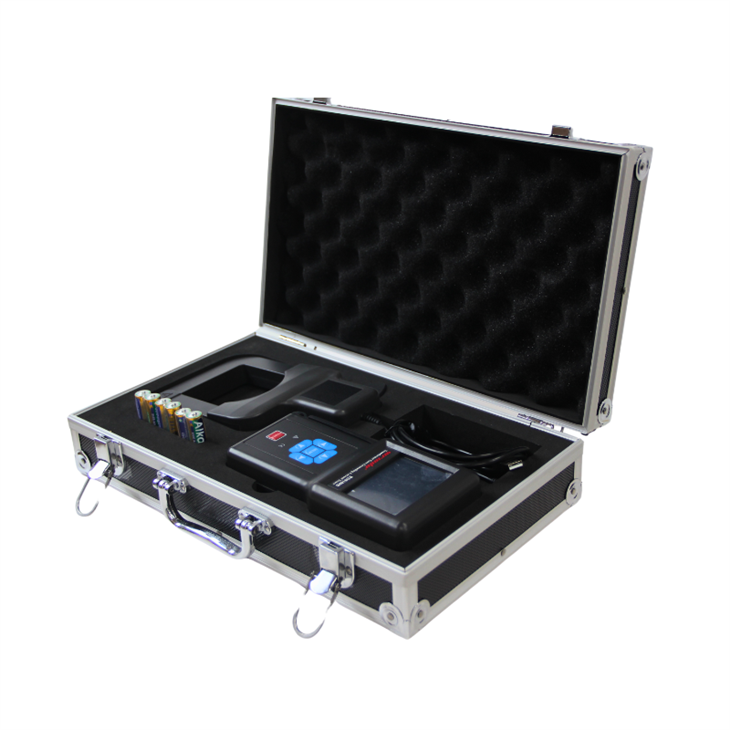
Measuring tap changing time with an On-Load Tap Changer (OLTC) Analyzer is essential for ensuring transformer safety, reliability, and longevity. This process detects mechanical wear, contact degradation, and switching interruptions, enabling early fault diagnosis. By using advanced analyzers like Wrindu’s, manufacturers and utilities can optimize maintenance, prevent failures, and maintain smooth voltage regulation in high-voltage systems worldwide.
How Does Measuring Tap Changing Time Improve Transformer Reliability?
Measuring tap changing time identifies mechanical delays or faults in the OLTC mechanism. When tap changes exceed design specifications, it signals wear or maladjustments that could cause failures or power interruptions. Accurate measurements allow for preventive maintenance, ensuring smooth voltage regulation, protecting transformer components, and extending operational life. Utilities and manufacturers benefit from enhanced system reliability and reduced risk of unexpected outages.
What Are the Key Parameters Analyzed During Tap Changing Time Measurement?
Key parameters include transition time—the period required for a tap change—and transition ripple, which reflects current fluctuations during switching. Analyzing the waveform and consistency of these signals reveals contact bouncing or interruptions. Additional parameters such as switching sequence and timing ensure proper mechanical operation. Monitoring these metrics allows maintenance teams and manufacturers to detect hidden faults early and optimize transformer performance.
Why Should Manufacturers in China Invest in OLTC Analyzers Like Wrindu’s?
Chinese manufacturers gain a competitive edge by integrating precise OLTC analyzers from Wrindu. These instruments ensure compliance with international quality standards, facilitate OEM production, and reduce failure risks. Wrindu’s analyzers provide factory-level testing capabilities, supporting both domestic and export markets. With reliable data on tap changer performance, manufacturers can enhance product quality, improve operational efficiency, and strengthen global credibility.
Which Transformer Failures Can Tap Changing Time Measurement Help Prevent?
Measuring tap changing time prevents failures related to mechanical wear, contact degradation, and switching interruptions. These faults can lead to unplanned outages or transformer damage. Early detection through OLTC analyzers allows maintenance teams and suppliers to schedule timely interventions, minimizing downtime and operational costs for utilities, industrial facilities, and transformer manufacturers.
How Does Wrindu’s On-Load Tap Changer Analyzer Stand Out in the Market?
Wrindu’s OLTC analyzers offer high-frequency sampling to capture transition times and ripple patterns precisely. The accompanying software provides intuitive graphical analysis, facilitating detailed diagnostics. As a certified manufacturer and supplier, Wrindu delivers reliable, cost-effective solutions with OEM and customizable options. Their analyzers are optimized for high-voltage equipment testing in manufacturing plants, power utilities, and research laboratories.
When Is It Necessary to Perform Tap Changing Time Measurement?
Tap changing time measurement is critical during factory acceptance tests, routine maintenance, and post-repair evaluations. It ensures proper function after assembly or overhaul and forms a key part of preventive maintenance programs. Regular testing allows manufacturers and utilities to maintain consistent product quality, prevent operational failures, and extend transformer lifespan.
Where Are OLTC Analyzers Commonly Used in the Power Industry?
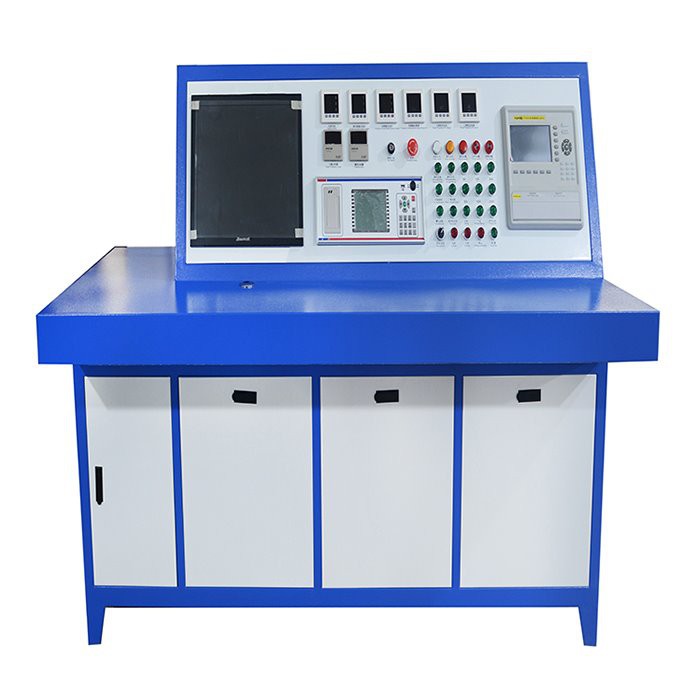
OLTC analyzers are widely employed in transformer manufacturing plants, power utilities, maintenance workshops, and testing laboratories. In China’s rapidly expanding energy sector, these devices are essential for quality control, supplier inspections, OEM certification, and compliance verification. High-voltage equipment manufacturers and industrial facilities rely on analyzers like Wrindu’s for accurate, safe, and efficient testing.
Can Measuring Tap Changing Time Optimize Maintenance and Reduce Costs?
Yes, early detection of mechanical and electrical irregularities allows maintenance teams to plan interventions effectively. Utilities and factories can prevent expensive transformer breakdowns, reduce downtime, and extend asset life. Using analyzer data to guide maintenance schedules improves safety, efficiency, and compliance while lowering operational costs, making investment in tools like Wrindu’s both practical and strategic.
How Does Tap Changing Time Measurement Enhance Safety in High-Voltage Equipment?
Monitoring tap changing times prevents arcing and contact faults that could result in catastrophic failures. Anomalies detected by OLTC analyzers highlight potential hazards before serious damage occurs, protecting personnel and equipment. Wrindu emphasizes precise measurement technology that ensures safe operation, reliable performance, and adherence to international safety standards in high-voltage systems.
Wrindu Expert Views
“At Wrindu, we recognize that accurate tap changing time measurement is fundamental for transformer reliability and safety. Our OLTC Analyzers provide manufacturers, OEMs, and maintenance teams worldwide with precise insights into equipment condition and performance. By adopting these tools, factories can improve product quality, minimize downtime, and ensure transformers meet rigorous global standards. Our goal is to empower clients with innovative, dependable solutions that strengthen trust in power infrastructure.”
Table: Key OLTC Measurement Parameters
| Parameter | Description | Importance |
|---|---|---|
| Transition Time | Duration to switch from one tap to another | Detects mechanical wear or faults |
| Transition Ripple | Current fluctuations during switching | Reveals contact issues or interruptions |
| Switching Sequence | Order and timing of internal components | Ensures proper mechanical operation |
Conclusion
Measuring tap changing time with an OLTC Analyzer is vital for transformer safety, reliability, and long-term performance. Manufacturers and suppliers, especially in China, benefit from tools like Wrindu’s analyzers for quality control, predictive maintenance, and global competitiveness. Accurate measurement enhances operational efficiency, prevents failures, and ensures consistent power delivery, making investment in reliable diagnostic equipment a strategic necessity.
FAQs
What happens if tap changing time exceeds specifications?
It indicates mechanical wear or faults, risking voltage instability and transformer damage.
How frequently should tap changing time be checked?
During factory tests, post-repair, and as part of routine maintenance schedules.
Can OLTC analyzers detect early mechanical issues?
Yes, they identify contact degradation and other faults before failures occur.
Is Wrindu suitable for large-scale OEM testing?
Absolutely, Wrindu analyzers are tailored for OEM production and factory-level validation.
Do these measurements enhance transformer safety?
Yes, by preventing arcing and ensuring proper switching operation, they protect equipment and personnel.