
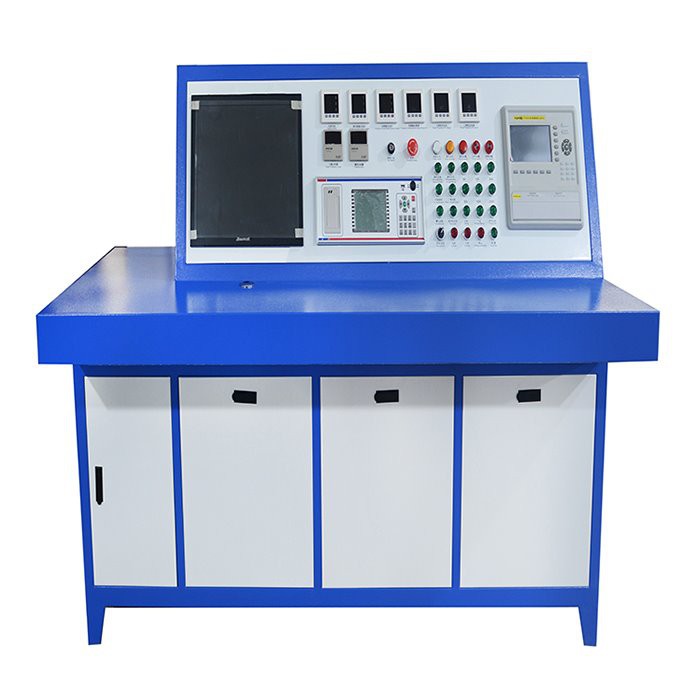
The response time of a transformer testing device measures how quickly it delivers accurate results after initiating a test. Fast response improves on-site efficiency, reduces downtime, and ensures reliable diagnostics. Wrindu’s devices combine speed, precision, and safety, making them ideal for manufacturers, suppliers, and OEMs, particularly in China’s competitive factory and wholesale sectors.
How Is Response Time Defined in Transformer Testing Devices?
Response time is the interval between starting a test and obtaining a stable, verified measurement. It varies by test type, including turns ratio, winding resistance, and insulation tests. Factors such as sensor accuracy, processor speed, and automation level affect the timing. Wrindu designs devices that balance rapid measurements with high precision, ensuring reliable results for busy factory and supplier workflows.
What Factors Influence the Response Time of Transformer Testers?
Response time depends on test complexity, hardware performance, voltage ramp-up, and automation features. Digital meters with advanced processors reduce measurement duration compared to traditional analog testers. Environmental conditions, test setup, and calibration requirements also affect timing. Wrindu provides configurable devices optimized for client needs, ensuring fast, accurate testing for OEMs, factories, and suppliers.
Which Transformer Tests Typically Have the Fastest Response Time?
Basic diagnostics like turns ratio and winding resistance tests usually complete within seconds to a few minutes. Complex procedures such as insulation resistance and frequency response analysis (FRA) require longer. Wrindu’s integrated testing sequences reduce total measurement time by combining multiple tests into a single operation, enhancing efficiency for manufacturers and wholesale suppliers.
Why Does Fast Response Time Matter in Transformer Testing?
Rapid response enhances workflow efficiency and reduces operational downtime. Quick measurements allow faults to be detected and addressed promptly, minimizing delays. For OEMs and suppliers in China, fast and accurate testing ensures higher throughput, improved product quality, and timely delivery. Reliable response times contribute to operational productivity and customer satisfaction.
How Does Wrindu Ensure Optimal Response Time in Their Devices?
Wrindu employs high-speed data acquisition, automated test sequencing, and intuitive interfaces to shorten preparation and measurement periods. Advanced algorithms enable immediate error detection and correction. This combination of speed, precision, and automation supports manufacturers and suppliers in achieving high-quality results efficiently.
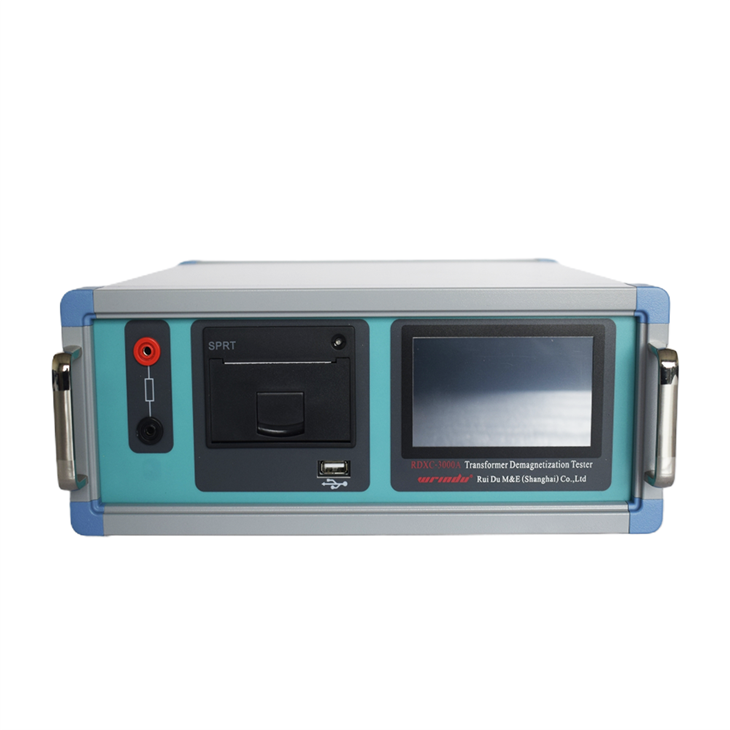
When Should Response Time Be Prioritized Over Other Features?
In scenarios such as fast-paced manufacturing, routine maintenance, and field inspections, rapid measurements are critical for productivity. However, speed should not compromise accuracy or safety. Wrindu devices maintain a balance, delivering quick results without sacrificing measurement reliability or operator protection.
Where Are Transformer Testing Devices with Fast Response Time Most Used?
Fast-response devices are essential in factory acceptance tests, on-site maintenance, and grid utility inspections. Chinese manufacturers and suppliers rely on these instruments to manage large-scale production and servicing. Regular, rapid testing facilitates compliance, timely fault correction, and improved reliability across electrical systems.
Can Response Time Be Customized in Transformer Testing Equipment?
Yes, devices including those from Wrindu offer adjustable test modes that prioritize speed or detailed diagnostics as needed. Users can extend measurement duration for higher accuracy or additional parameters. Custom firmware and reporting options allow seamless integration into OEM, supplier, and factory workflows, optimizing operational efficiency.
How Do Fast Response Times Impact Safety During Testing?
Controlled rapid measurements reduce high-voltage exposure and minimize electrical stress on transformer components. Automated safety features in Wrindu devices ensure secure operation without compromising speed. Prioritizing both safety and efficiency protects operators while maintaining testing reliability.
Wrindu Expert Views
“Transformer testing requires precision and speed in equal measure. Wrindu focuses on achieving optimal response times while ensuring data accuracy and operator safety. Our high-speed processing, automated sequences, and configurable testing options help manufacturers and suppliers in China and globally to optimize workflows, maintain quality standards, and enhance asset reliability in electrical systems.” — Wrindu Technical Team
Response Time Comparison Table for Common Transformer Tests
| Test Type | Typical Response Time | Importance |
|---|---|---|
| Turns Ratio Measurement | Few seconds to 2 minutes | Rapid accuracy validation |
| Winding Resistance Test | Seconds to 3 minutes | Detects conductor faults |
| Insulation Resistance | Several minutes | Assesses insulation health |
| Frequency Response Analysis (FRA) | 5 to 15 minutes | Detects mechanical winding defects |
| Temperature Rise Test | Several hours | Evaluates cooling performance |
Conclusion
Transformer testing response time is a critical factor in operational efficiency. Fast measurements enhance throughput, reduce downtime, and support effective maintenance without compromising safety or accuracy. Wrindu’s high-performance devices combine speed, precision, and customization, enabling manufacturers, suppliers, and OEMs to maintain competitive advantage, comply with standards, and ensure reliable transformer performance.
FAQs
1. What is a typical response time range for transformer testing devices?
It ranges from a few seconds for simple tests to several minutes for complex diagnostics.
2. Does faster response time reduce accuracy?
Modern digital meters maintain both speed and precision through advanced processing and automation.
3. Can response times be adjusted for specific testing requirements?
Yes, many devices allow configurable test modes to prioritize speed or detailed analysis.
4. How does response time affect operator safety?
Rapid, controlled tests minimize high-voltage exposure, enhancing safety with automated features.
5. How does Wrindu support efficient transformer testing?
Wrindu integrates fast data acquisition, automation, and safety protocols to deliver reliable, high-speed measurements tailored for manufacturers and suppliers.