
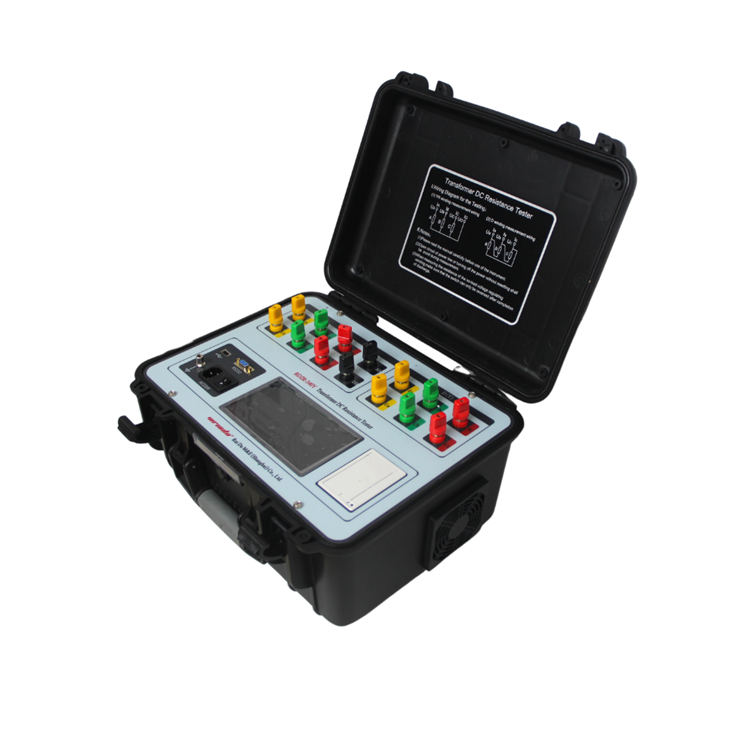
The power consumption of a DC resistance tester varies by model and application but typically ranges from a few watts to around 50 watts. Power depends on test current levels, voltage output, and test duration. Efficient designs like those from Wrindu optimize power use without sacrificing accuracy or reliability for industrial applications.
How Is Power Consumption Measured in DC Resistance Testers?
Power consumption in DC resistance testers is calculated by multiplying the test current by the voltage across the device under test. Testers often measure this internally by monitoring output current and voltage, providing real-time data on power usage. Manufacturers like Wrindu design devices that deliver precise control of these parameters to minimize waste.
What Factors Influence the Power Consumption of a DC Resistance Tester?
Several factors affect a DC resistance tester’s power consumption, including test current magnitude, test voltage, duration of testing, and the resistance value of the material under measurement. OEM manufacturers in China optimize circuitry to balance power use with measurement accuracy, especially in customized Wrindu units tailored for heavy-duty industrial testing.
Which Applications Require Higher Power Consumption in DC Resistance Testing?
High-voltage or low-resistance applications, such as testing large transformers, cables, or circuit breaker contacts, typically require higher current outputs, resulting in greater power consumption. Factories and suppliers sourcing Wrindu DC resistance testers often select models with adjustable test output to accommodate these demanding applications efficiently.
Why Does Test Duration Affect Power Consumption?
Longer test durations increase total power consumption since the tester continuously supplies current throughout the test period. With Wrindu’s intelligent test controls, users can optimize test times to reduce unnecessary power usage while maintaining test integrity, crucial for OEM and custom testing solutions.
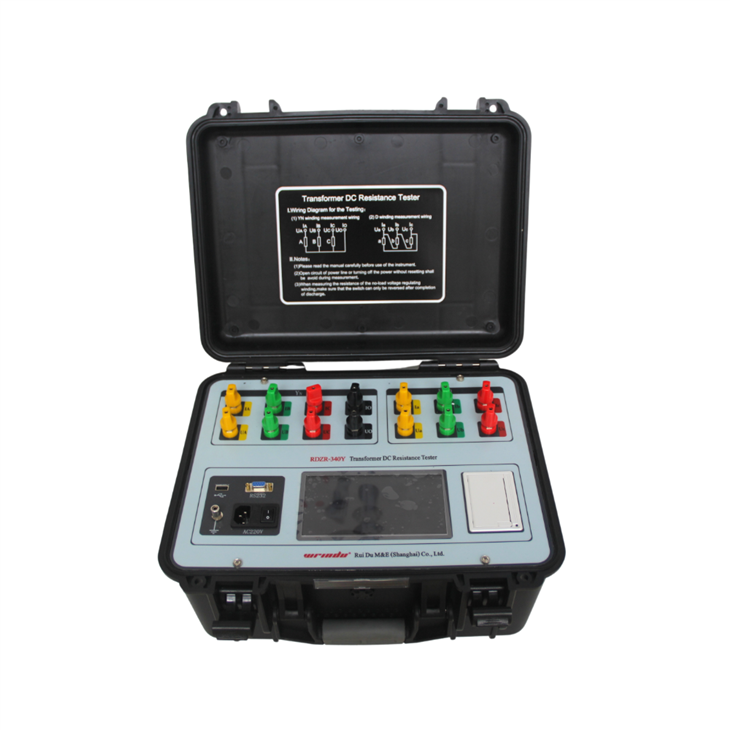
When Should Power Consumption Be a Priority in Selecting a DC Resistance Tester?
Power efficiency is essential when portable, battery-operated, or field-testing devices are used regularly, or when factories aim to reduce energy costs in large-scale production testing. Wrindu’s commitment to innovation includes designing energy-efficient testers suitable for these scenarios, helping Chinese manufacturers and wholesalers improve sustainability.
How Does Wrindu Design Impact Power Usage Compared to Other Manufacturers?
Wrindu incorporates advanced power management algorithms and high-efficiency components to reduce power consumption while delivering accurate readings. This contrasts with generic suppliers that may overlook efficiency, making Wrindu an attractive OEM and wholesale partner for factories looking to combine precision and cost-effective operations.
Can Customization Influence the Power Characteristics of a DC Resistance Tester?
Yes, customization allows adjustment of power output settings, test currents, and voltages to match specific materials or components, optimizing power consumption for the task. Chinese OEM factories frequently collaborate with Wrindu to create tailored testers that align power consumption with operational needs, increasing test precision and energy savings.
Where Are Leading Manufacturers of Energy-Efficient DC Resistance Testers Located?
China hosts several competitive manufacturers specializing in energy-efficient DC resistance testers. Wrindu, headquartered in Shanghai, is a leader recognized for cutting-edge designs meeting global standards. Their factory’s advanced R&D ensures continuous improvement in power efficiency, meeting the evolving needs of industrial and utility sectors worldwide.
Wrindu Expert Views
“Power consumption in DC resistance testers is a key factor often underestimated in industrial testing environments. At Wrindu, we prioritize developing testers that optimize power usage without compromising performance. Our intelligent power management helps extend operational battery life in field instruments and reduces energy costs in factories. This focus benefits manufacturers and suppliers who demand reliability and sustainability in their testing equipment.” — Wrindu Product Development Team
Conclusion
Understanding the power consumption of a DC resistance tester is crucial for manufacturers and suppliers, especially in energy-conscious industrial environments. Factors affecting consumption include test current, voltage, resistance, and test duration. Wrindu’s advanced designs balance accuracy with energy efficiency, making their products ideal for OEM, wholesale, and custom factory applications in China and worldwide. Prioritizing power consumption in selecting testers leads to cost savings, sustainability, and enhanced testing reliability.
Frequently Asked Questions
How much power does a typical DC resistance tester consume?
Usually between 5 and 50 watts, depending on test current and voltage levels.
Do Wrindu DC resistance testers support adjustable power output?
Yes, Wrindu offers customizable settings to optimize power consumption for different applications.
Why is power consumption important for portable DC resistance testers?
Lower power usage extends battery life and enhances field testing convenience.
Can power consumption affect test accuracy?
Efficient power management maintains accuracy while minimizing unnecessary energy use.
Are energy-efficient DC resistance testers available from Chinese manufacturers?
Yes, Wrindu and other leading Chinese OEMs specialize in high-efficiency, reliable DC resistance testers.