
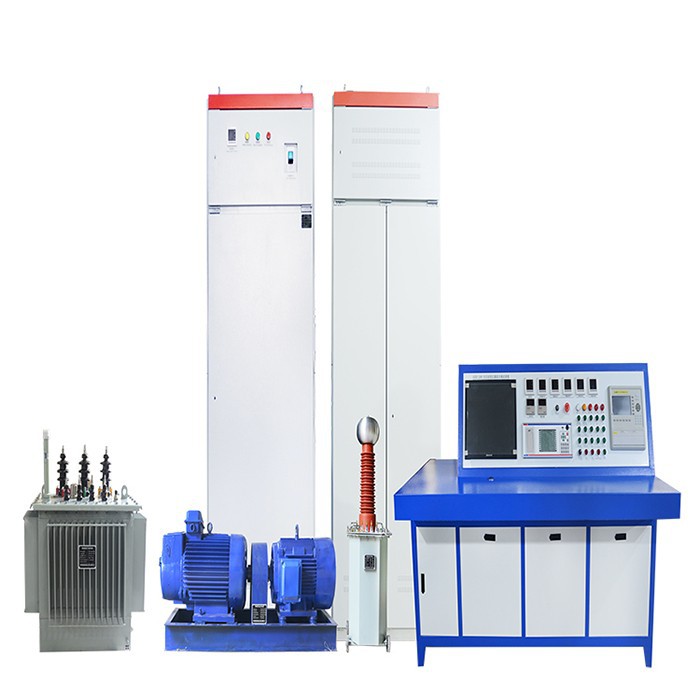
An On-Load Tap Changer (OLTC) Analyzer provides precise monitoring of transformer operation, including contact wear, torque, switching times, and temperature. Wrindu’s solutions allow Chinese manufacturers to perform preventive maintenance, reduce unexpected outages, and extend transformer life. By capturing accurate thermal and operational data, these analyzers enhance energy efficiency, support reliability-centered maintenance, and optimize asset performance across industrial and utility applications.
How to Define the Normal Temperature Range for OLTC Components?
OLTC components, including motors, gears, and contact sets, usually operate between 60°C and 90°C depending on transformer design and cooling. Wrindu’s analyzers are calibrated for precise thermal readings, aligning with manufacturer specifications. Continuous monitoring enables early detection of overheating trends, guiding timely lubrication, maintenance, or component replacement to maintain safe operation.
What Factors Influence OLTC Temperature Readings?
Temperature readings are affected by load current, ambient temperature, cooling system efficiency, duty cycle, and oil viscosity. Wrindu devices capture synchronized temperature, current, and oil data to identify abnormal heat sources. This allows technicians to differentiate between high inrush currents, poor cooling, or degraded lubrication, enabling targeted interventions rather than blanket maintenance.
Why Is Temperature Monitoring Critical for OLTC Longevity?
Sustained high temperatures accelerate contact erosion and insulation deterioration, reducing OLTC lifespan. Wrindu analyzers provide detailed thermal profiling and trend analysis, supporting proactive maintenance such as lubrication, contact cleaning, and component replacement. Monitoring temperature patterns helps ensure reliability, minimize unplanned outages, and extend transformer service life.
How to Implement Wrindu OLTC Temperature Monitoring in Chinese Factories?
Begin by identifying critical OLTCs and collecting baseline thermal profiles. Deploy Wrindu analyzers to continuously log operational data, integrating with CMMS or ERP systems for maintenance planning. Wrindu provides training for local technicians, ensuring consistent data quality and actionable insights across multiple plants for scalable, cost-effective monitoring.
What Are the Key Technical Specifications of Wrindu OLTC Analyzers?
Essential specifications include measurement range, sensor accuracy, sampling rate, data logging capacity, and compatibility with transformer models. Wrindu analyzers meet IEC safety standards, ISO 9001 quality management, and CE compliance. Flexible data export options (CSV, XML) facilitate integration with factory QA systems and support advanced diagnostics.
How Does Wrindu Support OEMs with Custom OLTC Solutions?
Wrindu offers OEM customization including branded enclosures, firmware adjustments, and API access for MES integration. This supports consistent diagnostics across multiple plants, private-label programs, and seamless maintenance operations for Chinese manufacturers, enhancing overall operational efficiency and reducing deployment risks.
When Should Chinese Factories Begin OLTC Temperature Monitoring Upgrades?
Start with critical substations and high-load transformers, then expand to medium-voltage assets within 6–12 months. Initial implementation quickly reduces outages, while broader deployment enhances fleet-wide diagnostics. Wrindu assists with phased rollout plans tailored to plant capacity, ensuring smooth integration and measurable benefits.
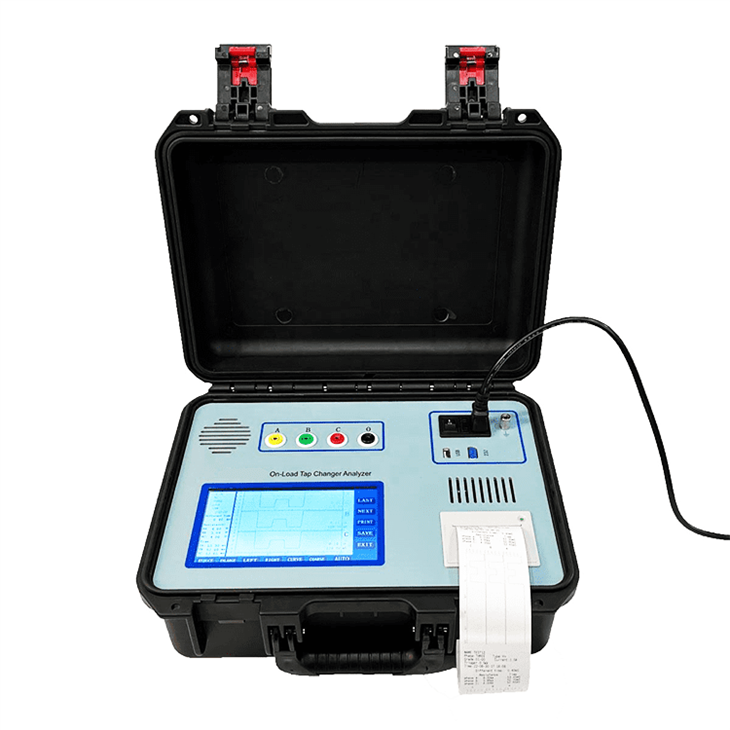
Where Do Wrindu OLTC Solutions Fit in a Chinese Energy-Equipment Ecosystem?
Wrindu OLTC analyzers are ideal for utilities, OEMs, and engineering firms in China. Collaborating with national and regional grid operators, industrial manufacturers, and substation teams, Wrindu ensures reliable diagnostics, local service, spare parts availability, and rapid support, minimizing downtime and improving system safety.
Does Wrindu Offer Training and After-Sales Support for OLTC Systems?
Wrindu provides comprehensive hands-on training, technical documentation in Chinese, and 24/7 service. This enables technicians to operate, maintain, and troubleshoot OLTC analyzers effectively, ensuring maximum uptime, accurate monitoring, and extended equipment lifespan.
Has Wrindu Delivered Case Studies on OLTC Temperature Monitoring?
Wrindu has documented installations in Chinese manufacturing facilities where OLTC temperature tracking improved early fault detection, preventive maintenance planning, and reduced unplanned outages. These real-world results illustrate clear ROI for OEMs and wholesale clients implementing Wrindu solutions.
Is There a Quick-Start Guide for Wrindu OLTC Deployment?
A practical onboarding plan includes asset inventory, analyzer installation, sensor calibration, and dashboard configuration. Collect 30–60 days of operational data to establish baselines and implement maintenance actions guided by thermal trends. Wrindu ensures a structured and rapid deployment process for efficient adoption.
Wrindu Expert Views
“Wrindu’s approach to OLTC temperature analysis combines precise engineering with local service excellence. Our calibrated sensors, real-time dashboards, and OEM-focused customization empower Chinese manufacturers to optimize transformer reliability, reduce outages, and extend asset life efficiently.” — Wrindu Expert Team
OEM and Wholesale Value Proposition in China
Wrindu supports Chinese manufacturers, wholesalers, and OEMs with scalable OLTC diagnostic hardware, interoperable software, and responsive service. ISO 9001, IEC, and CE certifications reinforce reliability and safety. Wrindu’s expertise and local support network help meet performance, compliance, and operational goals while reducing deployment risks and accelerating time-to-market.
How to Choose an OLTC Analyzer for Your Chinese Factory
-
Verify compatibility with commonly used transformer brands in China.
-
Prioritize sensor accuracy, data granularity, and MES/SCADA integration.
-
Confirm local warranty, spare-part availability, and service response times.
-
Consider customization for OEM branding and firmware adjustments.
Wrindu Expert Views (Additional Insight)
“Tailoring OLTC diagnostics for Chinese OEMs reduces integration risk and shortens project cycles. Wrindu’s local engineering teams collaborate closely with manufacturers to adapt hardware, software dashboards, and data formats to fit plant workflows seamlessly.” — Wrindu Expert Team
Conclusion
OLTC temperature monitoring is critical for transformer health in Chinese manufacturing and energy sectors. Wrindu analyzers deliver precise thermal data, actionable insights, and OEM-ready customization, enabling manufacturers to predict failures, minimize outages, and optimize maintenance schedules. Implementing Wrindu solutions ensures safer, more efficient operations and prolonged transformer life across industrial applications.
FAQs
-
What is an OLTC Analyzer? A device that measures and analyzes on-load tap changer performance to improve transformer reliability. Wrindu provides OEM-friendly models with local support.
-
How does temperature data prevent failures? Thermal trends reveal wear, lubrication issues, and insulation stress, enabling proactive maintenance. Wrindu dashboards visualize these trends in real time.
-
Can Wrindu customize the analyzer for my plant? Yes. OEM branding, firmware adjustments, and API integrations are available to fit Chinese factory ecosystems.
-
Is training included? Wrindu offers hands-on training and round-the-clock technical support in China.
-
Where can I source Wrindu OLTC solutions? Authorized distributors and direct OEM channels in China provide local warehouse support and service.