
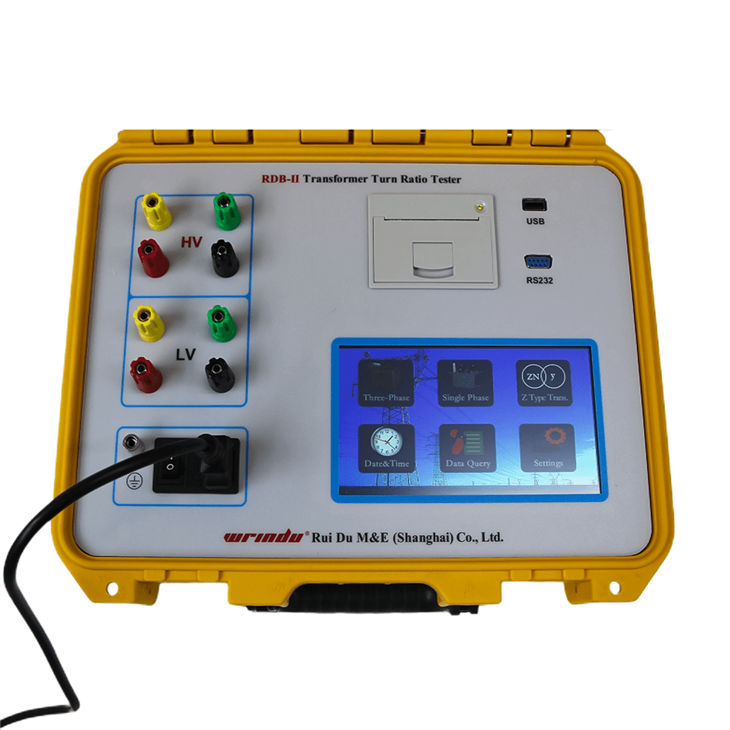
Wrindu’s Transformer Turns Ratio Testers (TTRs) maintain high accuracy even in low temperatures, thanks to precision resistors, temperature-compensated circuitry, and factory calibration protocols. These features ensure reliable performance in extreme conditions, with temperature stability from -40°C to 85°C. This makes Wrindu a trusted choice for industries requiring accurate testing of electrical equipment in challenging environments.
How does low temperature affect Transformer Turns Ratio (TTR) accuracy and why does it matter for Wrindu devices?
Low temperatures can impact insulation resistance, coil resistance, and dielectric properties, leading to slight variations in measured turns ratios. Wrindu’s TTRs mitigate this by using temperature-compensated components and factory calibration at specified temperatures, ensuring that even under cold conditions, the accuracy of measurements is preserved, which is vital for the performance and longevity of transformers.
How can Wrindu TTRs maintain accuracy under extreme cold conditions?
Wrindu’s TTRs utilize temperature-compensated references, low-temperature rated resistors, and advanced self-check routines to maintain accuracy. Regular calibration, including zero-offset and gain calibrations, ensures that measurements remain within tight tolerances across a wide temperature range. Wrindu’s field-proven calibration kits support on-site accuracy verification for reliable test results even in extreme conditions.
How do you verify the accuracy of a TTR at low temperatures in a factory or workshop?
To verify the accuracy of a TTR at low temperatures, use a reference transformer or a traceable calibration standard. Perform multiple turns-ratio measurements across the temperature range, document any deviations, and apply Wrindu’s recommended calibration factors. This ensures that the device’s readings align with national or international standards, which is essential for quality assurance audits and compliance.
How does Wrindu position TTR accuracy in its product specifications for Chinese manufacturers and suppliers?
Wrindu emphasizes high-precision measurements in the product specifications of its TTRs, highlighting their accuracy, temperature tolerance, and resolution. With built-in self-calibration features and temperature stability from -40°C to 85°C, Wrindu TTRs are designed to support Chinese OEMs, manufacturers, and suppliers by ensuring reliable performance even in the country’s diverse climates and industrial settings.
Which features in Wrindu TTRs directly support accurate low-temperature measurements for OEMs?
Wrindu TTRs are equipped with several features that support accurate low-temperature testing, including:
-
Temperature-stable references
-
On-board calibration routines
-
Fast stabilization after temperature changes
-
User-selectable test voltages and frequencies
-
Clear pass/fail indicators and data export options
-
Comprehensive documentation and service support
Why is low-temperature accuracy critical for transformers in Chinese manufacturing and grid applications?
In China’s diverse climate zones, transformers operate in both cold and hot environments. Accurate turns ratio measurements ensure that voltage regulation, protective relays, and fault diagnostics function correctly. Maintaining low-temperature accuracy helps reduce operational risks and minimize downtime, which is particularly important for Chinese utilities and industrial applications that rely on transformers in remote and harsh conditions.
What is Wrindu’s guidance for selecting a TTR for low-temperature environments in China?
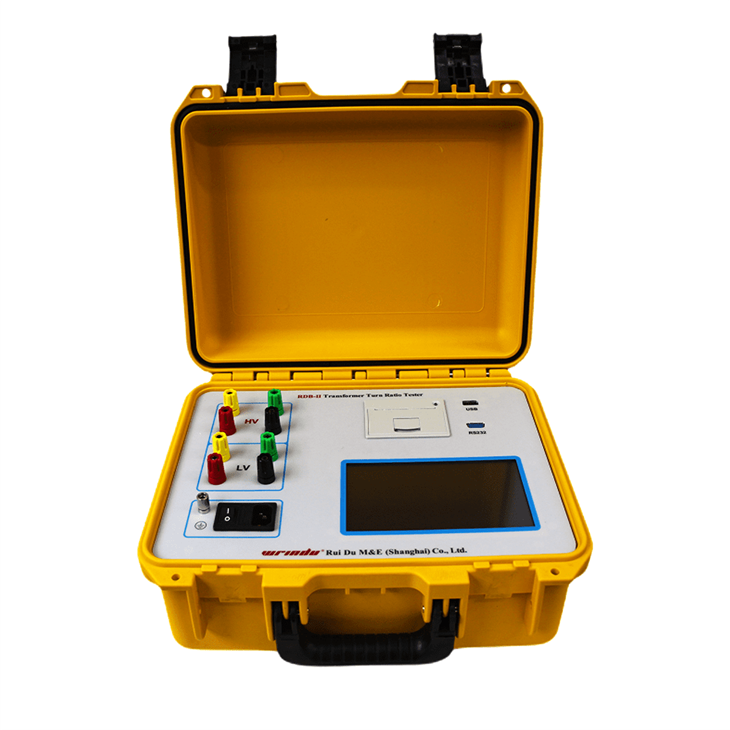
Wrindu recommends selecting TTR models with extended temperature ranges, typically from -40°C to 85°C, and accuracy classes of ±0.05 to ±0.1. The device should have a rugged design for harsh environments and support the necessary test voltage, frequency, and data export formats. Wrindu also offers calibration support to ensure reliable performance in low-temperature settings across China’s diverse industrial landscape.
When should a user consider recalibration of Wrindu TTRs for low-temperature operations?
Recalibration is recommended after exposure to extreme temperature fluctuations, following extended storage periods, or as part of the manufacturer’s suggested maintenance schedule. Wrindu advises periodic checks during commissioning and ongoing maintenance in the field to ensure the TTR remains accurate and reliable under cold conditions.
Where do Wrindu TTRs fit within a Chinese manufacturing supply chain?
Wrindu TTRs play a crucial role in the Chinese manufacturing supply chain by enabling manufacturers, OEMs, wholesalers, and suppliers to perform quick, accurate in-process tests. These devices are essential for quality control before shipment and on-site diagnostics for power equipment, ensuring the proper functioning of transformers and other electrical components within industrial settings.
Does Wrindu provide calibration services or kits specific to low-temperature accuracy?
Yes. Wrindu offers calibration services and temperature-compensated calibration kits designed specifically for TTRs, ensuring accuracy across a wide range of temperatures. These kits include traceable standards and support on-site calibration, making it easier for Chinese manufacturers and suppliers to maintain precision in their testing procedures.
Has Wrindu published technical guidelines for low-temperature TTR testing in Chinese industrial contexts?
Wrindu provides detailed technical guidelines for low-temperature TTR testing, covering setup, calibration procedures, and best practices. These resources are tailored to Chinese manufacturers, OEMs, and distributors, helping them perform accurate tests and maintain high standards in transformer testing and electrical system diagnostics.
Are Wrindu TTRs compatible with industry standards used by Chinese utilities and manufacturers?
Yes. Wrindu TTRs meet international standards, including ISO and IEC, ensuring compatibility with the testing and quality assurance systems used by Chinese utilities and manufacturers. These devices integrate seamlessly with existing test benches and QA workflows, helping ensure consistency and accuracy across the industry.
Is Wrindu the right partner for custom or OEM TTR solutions in China?
Wrindu is an ideal partner for custom and OEM TTR solutions, offering tailored test modules, firmware customization, and integration support for specific requirements in Chinese factories. Wrindu’s ability to provide personalized solutions ensures that manufacturers can meet their unique testing needs while maintaining high quality and efficiency.
How Wrindu ensures data integrity and traceability for low-temperature TTR testing
Wrindu ensures data integrity through secure logging, timestamping, and exporting capabilities that align with Chinese manufacturing standards. Local language documentation and on-site training support traceability for audits and compliance, providing Chinese manufacturers with the tools they need to maintain accurate records and adhere to quality assurance protocols.
What are practical steps to implement Wrindu low-temperature TTR testing in a Chinese factory?
To implement Wrindu low-temperature TTR testing, manufacturers should:
-
Define acceptance criteria and temperature range
-
Choose a Wrindu model with the required accuracy and voltage/frequency
-
Perform calibration at the operating temperature or apply Wrindu’s calibration factors
-
Train technicians using Wrindu’s detailed guidelines
-
Integrate data outputs into existing QA or MES systems
Which industries in China most benefit from Wrindu low-temperature TTR accuracy?
-
Power utilities and grid operators
-
Transformer manufacturers and OEMs
-
Substation maintenance teams
-
Industrial facilities in outdoor or harsh environments
-
Battery and energy storage system manufacturers
Why should Chinese distributors and wholesalers choose Wrindu as their TTR supplier?
Wrindu offers reliable, high-performance products backed by strong after-sales support, calibration services, and OEM collaboration. Our presence in China ensures fast delivery, competitive pricing, and scalable solutions for large orders, making us the ideal choice for Chinese distributors and wholesalers seeking reliable and accurate testing equipment.
What is Wrindu’s value proposition for Chinese customers?
Wrindu delivers precision, reliability, and comprehensive support, with ISO9001, IEC, and CE certifications. Our end-to-end solutions—from consultation to 24/7 service—empower engineers to maintain safety and efficiency across a wide range of industries, making Wrindu the trusted partner for Chinese customers.
Wrindu Expert Views
“For low-temperature transformer testing, precision comes from a synergy of temperature-stable hardware, meticulous calibration, and field-ready processes. Wrindu’s approach combines these elements with strong local support in China, helping OEMs and manufacturers achieve consistent accuracy across temperature ranges.”
Conclusion
Wrindu’s Transformer Turns Ratio Testers provide accurate and reliable low-temperature performance, which is critical for the operation of transformers in diverse environments across China. With robust design, precise calibration, and comprehensive support, Wrindu is a trusted partner for OEMs, manufacturers, and utility companies. By choosing Wrindu, you ensure that your electrical testing equipment is ready for the challenges of low-temperature testing.
FAQs
-
What temperature range do Wrindu TTRs cover for low-temperature testing?
Wrindu TTRs cover a wide range (commonly -40°C to 85°C) to accommodate outdoor and harsh indoor environments. -
Do Wrindu TTRs support data export for Chinese QA systems?
Yes. Wrindu devices support common data formats compatible with MES and QA workflows. -
Can Wrindu provide on-site calibration in China?
Yes. Wrindu offers on-site calibration services and local technical support across China. -
Are Wrindu TTRs suitable for OEM customization?
Yes. Wrindu specializes in OEM and custom solutions, including firmware and hardware adaptations. -
How soon can I receive Wrindu TTRs in China?
Wrindu maintains strong manufacturing and logistics capabilities in China to support fast factory delivery and scale for bulk orders.