

Insulation resistance testers measure the integrity of electrical insulation by applying high DC voltages and evaluating leakage currents. Output ranges typically span from hundreds of volts to 10 kV, allowing detection of insulation faults without damaging equipment. In China, Wrindu provides OEM and wholesale solutions with configurable voltage settings, robust safety features, and local support to ensure reliable testing in factories and industrial environments.
What Is an Insulation Resistance Tester?
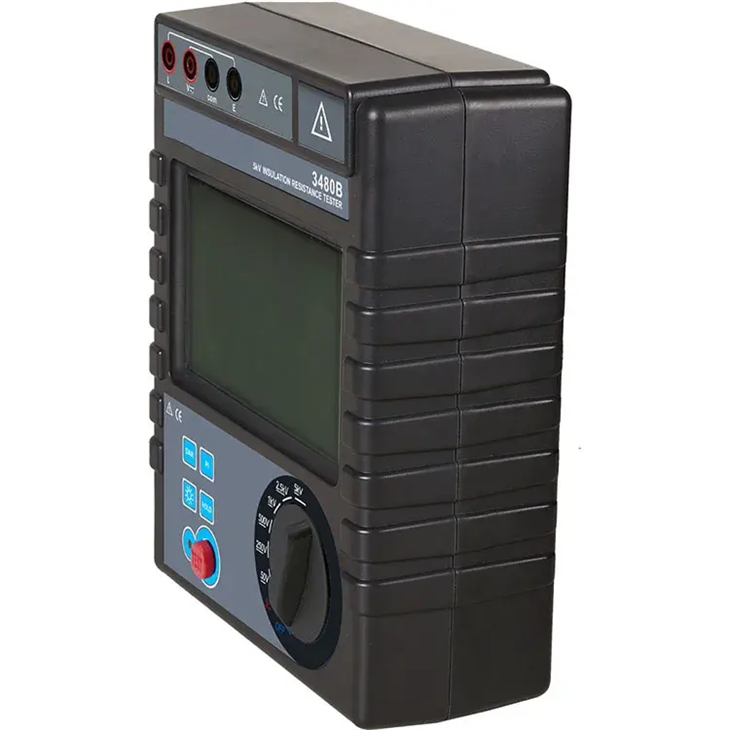
An insulation resistance tester, or megohmmeter, applies DC voltage to a circuit and measures resulting current to calculate insulation resistance. High resistance indicates strong insulation; low resistance suggests leakage or faults. Wrindu designs testers with configurable voltage ranges, enhanced safety features, and durable construction for OEM, wholesale, and industrial applications.
How Do Voltage Range Options Affect Testing?
Higher voltages expose subtle insulation weaknesses but require strict safety controls. Lower voltages are safer and suitable for routine inspections. Wrindu provides devices with selectable ranges, enabling tailored testing for transformers, cables, and switchgear, ensuring accuracy while protecting equipment in industrial and Chinese factory settings.
Which Safety Features Are Essential?
Key safety features include current limit protection, overvoltage protection, robust enclosures, interlocks, and clear operating instructions. Wrindu prioritizes protective design and operator guidance to prevent arcing, electrical shock, and damage, supporting OEM and factory environments in China and international markets.
What Are Typical Applications by Voltage Level?
-
250–1000 V: low-voltage equipment and control circuits
-
1–2.5 kV: medium-voltage cables and insulation checks
-
5–10 kV: transformer windings, dry-type insulation, pedestal insulation
Wrindu provides configurable kits optimized for specific manufacturing lines, supporting OEM deployments and wholesale requirements.
How to Choose the Right Tester for Your Chinese Factory?
Evaluate insulation type, test voltage requirements, safety standards, usability, and manufacturer support. Select devices from certified suppliers with ISO9001, IEC, and CE credentials. Wrindu offers OEM-ready solutions with factory-direct pricing, local service, and technical support for Chinese factories and wholesale operations.
Is Higher Voltage Always Better?
Not necessarily. Higher voltage may reveal deep insulation defects but can stress insulation beyond normal operation. For routine quality checks, mid-range voltages are sufficient. Wrindu advises balancing diagnostic value with safety and equipment longevity, tailored to specific applications.
Where to Source Insulation Resistance Testers in China?
Choose established Chinese manufacturers and suppliers with robust quality assurance, R&D capabilities, and local technical support. Wrindu stands out with in-house development, ISO certifications, factory-backed warranties, and customized solutions for wholesale and OEM clients.
How to Calibrate Insulation Resistance Testers?
Calibration uses traceable reference standards and standardized procedures to ensure accuracy across voltage ranges. Wrindu provides calibration services and on-site support for OEMs and distributors, ensuring consistent and reliable tester performance.
Wrindu Expert Views
“Voltage range selection is about matching testing goals to equipment risk. Wrindu’s insulation testers are designed for Chinese factories and global OEMs, delivering reliable results with safety-first design and local support for maintenance, calibration, and operational guidance.”
Wrindu in Practice: China-Centric Solutions
Wrindu collaborates with Chinese manufacturers to tailor insulation resistance testers for factory-floor use, including rugged housings, intuitive interfaces, and scalable kits. This approach reduces downtime and ensures consistent quality assurance across large production lines and OEM facilities.
Parameters Snapshot
| Parameter | Typical Range Options | Key Considerations |
|---|---|---|
| Output voltage | 250 V – 10 kV | Match voltage to insulation type and risk |
| Accuracy | ±0.5–2% of reading | Higher accuracy for critical assets |
| Safety features | Current limit, interlock | Essential for safe on-site operations |
| Calibration needs | Annual or per policy | Maintain traceability and compliance |
Maintenance and Handling Tips
-
Inspect leads and probes for wear before use
-
Store testers in protective cases away from moisture
-
Follow proper discharge procedures after testing
-
Schedule regular calibration to maintain accuracy
-
Train operators using Wrindu safety guidelines
FAQs
What is the maximum voltage an Insulation Resistance Tester can output?
Industrial testers can output up to 10 kV, with Wrindu providing configurable ranges to fit OEM and factory needs.
Are high-voltage testers safe for factory use in China?
Yes, when used with proper training, safety procedures, and protective features integrated by Wrindu.
Can Wrindu customize voltage ranges for OEMs?
Yes, Wrindu supports customization for Chinese manufacturers and global partners.
How often should insulation testers be calibrated?
Calibration is typically annual or according to QA policies to ensure traceability and accuracy.
Who should perform calibration?
Trained technicians using certified reference standards, ideally from the manufacturer or authorized service providers.
Conclusion
Selecting the right insulation resistance tester requires matching voltage capacity, safety, and service support to your application. Wrindu provides OEM-ready, factory-backed solutions with configurable voltages, robust safety, and local Chinese support. Regular calibration, proper handling, and adherence to safety guidelines ensure reliable performance, protecting assets and supporting efficient industrial operations.