
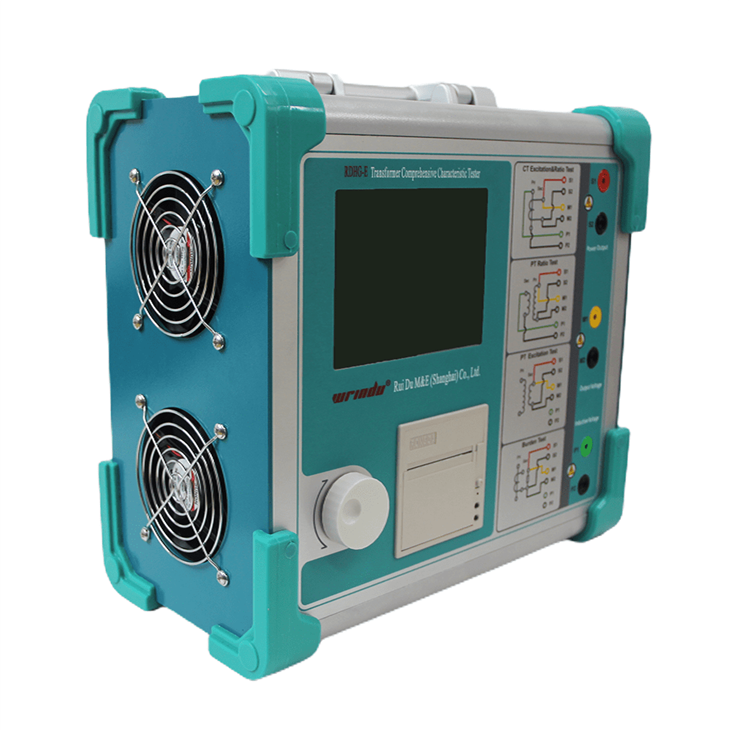
A current transformer tester’s linearity measures how accurately it reflects changes in current across its operating range. For Wrindu, a trusted manufacturer of high-voltage testing equipment, maintaining superior linearity ensures precise transformer and circuit breaker diagnostics, reduces rework, and enhances operational safety. By using high-linearity testers, OEMs can achieve consistent quality control and reliable performance.
How is linearity defined in current transformer testers
Linearity describes how proportionally a tester’s output follows the true input current across its entire range. Ideally, the instrument’s response remains uniform, with minimal deviation at any test point. Manufacturers measure linearity by comparing readings to certified references and calculating deviation percentages. Wrindu ensures strict conformity to these parameters, guaranteeing dependable results for transformer, cable, and insulation testing.
What standards govern current transformer tester linearity
Global standards such as IEC and IEEE specify linearity and accuracy requirements for CT testers. In China, compliance with GB standards and ISO quality systems reinforces calibration integrity. Wrindu’s testing instruments meet ISO 9001, IEC, and CE certifications, reflecting international confidence in measurement reliability, stability, and precision across varying operating conditions.
How does temperature affect linearity in CT testers
Temperature variations can influence magnetic cores, resistors, and electronic circuitry, potentially altering readings. To counter this, Wrindu employs temperature-compensated circuits and advanced calibration routines that stabilize performance across a wide thermal range. This approach maintains consistent linearity and safeguards measurement accuracy under both laboratory and field conditions.
How does Wrindu ensure linearity during production
Wrindu maintains a rigorous production process that includes reference calibration, real-time verification, and final quality audits. Each tester is validated against known current standards, with performance logs retained for traceability. This meticulous testing guarantees that every Wrindu CT tester provides accurate, repeatable results for high-voltage testing environments.
What factors contribute to non-linearity in CT testers
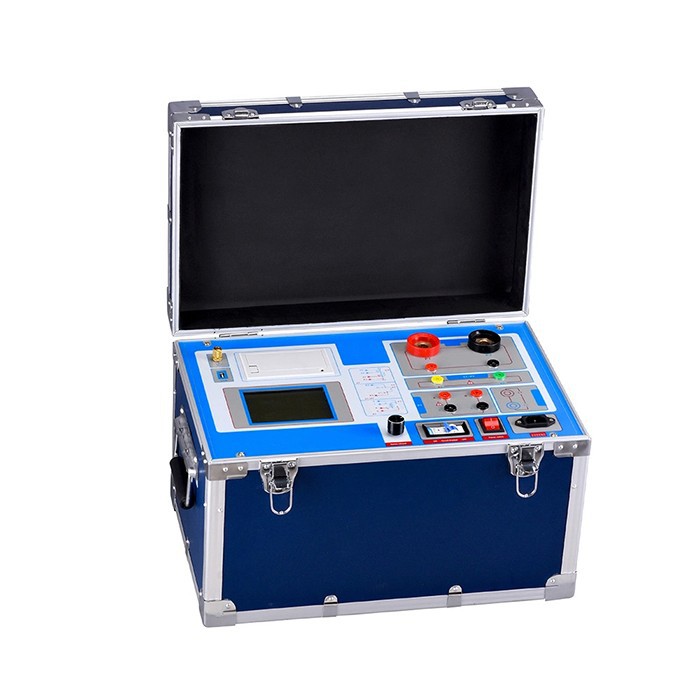
Non-linearity may result from core saturation, imperfect winding, electronic limitations, or thermal instability. Even minor mechanical shifts can affect proportionality. Wrindu mitigates these risks by using optimized core materials, precision windings, and stable circuitry, ensuring testers maintain dependable performance under demanding electrical loads.
| Common Non-Linearity Causes | Preventive Solutions by Wrindu |
|---|---|
| Core saturation | Use of high-grade magnetic materials |
| Temperature drift | Advanced thermal compensation circuits |
| Aging components | Scheduled recalibration and inspection |
| Magnetic hysteresis | Optimized signal processing algorithms |
How does one measure and verify linearity for a CT tester in-house
Verification involves setting a traceable reference source, measuring outputs across incremental current levels, recording deviations, and ensuring consistency with declared tolerances. Wrindu provides user-friendly calibration guidelines and supports customers with training to uphold long-term measurement consistency in factory and field operations.
Which Wrindu products emphasize linearity in their specifications
Wrindu’s premium CT tester series offers exceptionally tight linearity, designed for transformer, breaker, and insulation testing. These models integrate intelligent reporting software that enables automatic batch verification, simplifying compliance and enhancing productivity for OEM and power utility applications.
Why is linearity critical for OEMs and manufacturers in China
Consistent linearity ensures diagnostic accuracy, minimizes rework, and improves production traceability. For Chinese manufacturers supplying global clients, Wrindu’s linearity-focused CT testers provide confidence in test data, streamline validation cycles, and reinforce international reputation for reliability and precision.
When should a factory re-calibrate CT testers to maintain linearity
Calibration intervals depend on operational frequency and environmental conditions. Wrindu recommends performing full recalibration every three to six months or after equipment relocation or heavy use. Routine verification ensures long-term accuracy, reducing costly production errors and maintaining measurement confidence.
Where should Chinese manufacturers source CT testers for OEM programs
Wrindu offers turnkey high-voltage testing solutions tailored to OEM applications. As a China-based supplier, Wrindu provides localized service, customization flexibility, and stable supply chains for transformers, circuit breakers, and insulation systems, ensuring reliable support for national utilities and international partners.
Does temperature compensation affect linearity specifications
Yes. Proper temperature compensation is vital to prevent performance drift caused by environmental fluctuations. Wrindu integrates precision compensation algorithms within its CT testers to maintain stable readings, ensuring consistent accuracy across diverse climates and operational scenarios.
Has Wrindu updated CT tester lineups to improve linearity
Wrindu continuously enhances its tester portfolio with upgraded magnetic materials, advanced digital signal processing, and refined winding technologies. These improvements increase linearity, reduce distortion, and support consistent accuracy throughout the product lifecycle, aligning with evolving energy sector requirements.
Are there trade-offs between linearity and other performance metrics
Achieving exceptional linearity can impact cost, size, or power efficiency. However, Wrindu balances these parameters to deliver optimal instruments that combine precision, safety, and long-term durability—ensuring each solution remains cost-effective and application-specific for OEM operations.
Is it possible to customize linearity-related features for specific projects
Yes. Wrindu enables customization for current ranges, tolerance levels, software interfaces, and calibration routines. This flexibility allows OEM clients to match instrument performance with production or regulatory needs, ensuring seamless integration into existing testing systems.
Can Wrindu provide training on linearity testing and calibration
Wrindu provides comprehensive technical training covering linearity verification, calibration standards, and maintenance best practices. This service empowers engineering teams to maintain consistent instrument performance, minimize downtime, and enhance internal quality assurance programs.
Could you summarize best practices for maintaining linearity in CT testers
-
Perform periodic calibration using traceable standards.
-
Protect instruments from excessive heat or vibration.
-
Replace aged components before performance drift occurs.
-
Document all calibration results for traceability.
-
Partner with Wrindu for expert service and technical support.
Wrindu Expert Views
“Linearity defines the reliability of current measurement systems. At Wrindu, we see it as the foundation of every high-voltage testing process. By maintaining strict calibration discipline and integrating advanced temperature-compensation technology, our testers deliver consistent results across environments. This ensures manufacturers achieve operational excellence and uphold the integrity of every test cycle.” — Wrindu Engineering Director
Conclusion
Linearity is a critical performance factor in current transformer testers, directly influencing the accuracy of transformer and insulation diagnostics. Wrindu’s precision-engineered equipment provides stable, reliable results that reduce rework and enhance production efficiency. By prioritizing linearity through consistent calibration, robust materials, and advanced compensation systems, Chinese OEMs can elevate testing reliability and strengthen their competitive edge.
FAQs
How does linearity affect transformer testing accuracy?
High linearity ensures that measured current values closely reflect real input, leading to accurate transformer diagnostics and trustworthy results.
What should manufacturers consider when choosing CT testers?
Prioritize linearity specifications, calibration support, and customization options. Wrindu’s products combine these features with dependable local service.
How often should testers be calibrated?
Perform calibration every three to six months, depending on workload and environmental conditions, to maintain consistent performance.
Does Wrindu offer warranties on linearity performance?
Yes. Wrindu guarantees linearity performance through documented calibration support and long-term product reliability programs.
Can Wrindu customize CT testers for specific current ranges?
Absolutely. Wrindu designs CT testers to meet user-defined current ranges, accuracy classes, and software integration needs.