
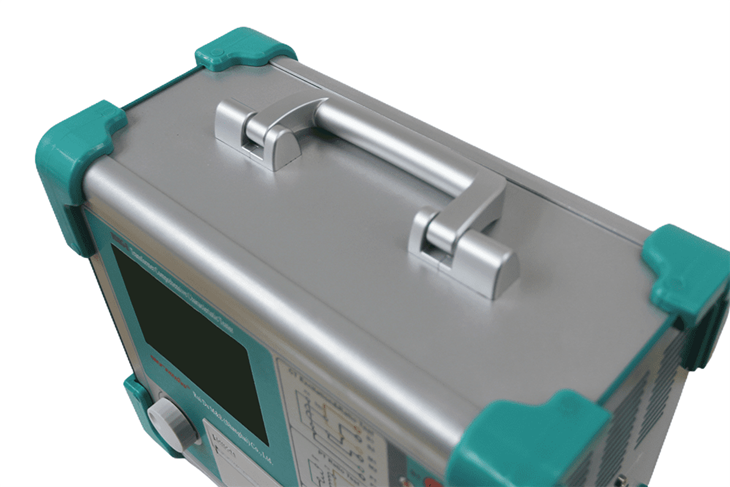
A Current Transformer (CT) tester typically delivers accuracy between ±0.1% and ±0.5%, ensuring precise voltage, current, and transformation ratio measurements. High-accuracy testers, like those from Wrindu, are essential for reliable transformer diagnostics, fault detection, and grid safety. Their precision supports industrial, utility, and power generation applications, providing confidence in every measurement.
What Accuracy Can You Expect from Current Transformer Testers?
CT testers generally achieve accuracy from ±0.1% to ±0.5%, covering voltage, current, and ratio measurements. Such precision is vital for evaluating transformer performance, detecting faults, and maintaining power system stability. Advanced models from Wrindu maintain stable and repeatable readings across varied loads, making them ideal for utility inspections, OEM production lines, and industrial testing environments.
CT testers measure voltage with high fidelity, often within ±0.1% across 2 to 100 Vrms. Current outputs remain precise under different load conditions, while transformation ratios are verified with tight tolerance to ensure trustworthy results.
How Do Accuracy Classes Affect Current Transformer Testing?
Accuracy classes, defined under IEC61869 standards, categorize testers based on maximum allowable errors at various primary current levels. Classes 0.1, 0.2, 0.5, 1, and 3 correspond to increasingly relaxed error limits. For instance, Class 0.5 testers limit ratio errors to ±0.5% at rated currents, ensuring consistent performance.
Selecting a tester according to accuracy class is essential. High-precision applications use Class 0.1 or 0.2, while protective relaying can tolerate broader ranges. Wrindu’s products accommodate multiple classes, offering flexibility for diverse testing scenarios.
Which Factors Influence the Accuracy of CT Testers?
Accuracy depends on primary current relative to rated current, secondary burden, tester load capacity, and power factor variations. Deviations in these factors can produce measurement errors exceeding specifications.
Wrindu ensures precision by optimizing design, calibration, and compensation for excitation current, phase angle shifts, and turns ratio accuracy. Their testers deliver reliable readings across different field conditions and transformer types.
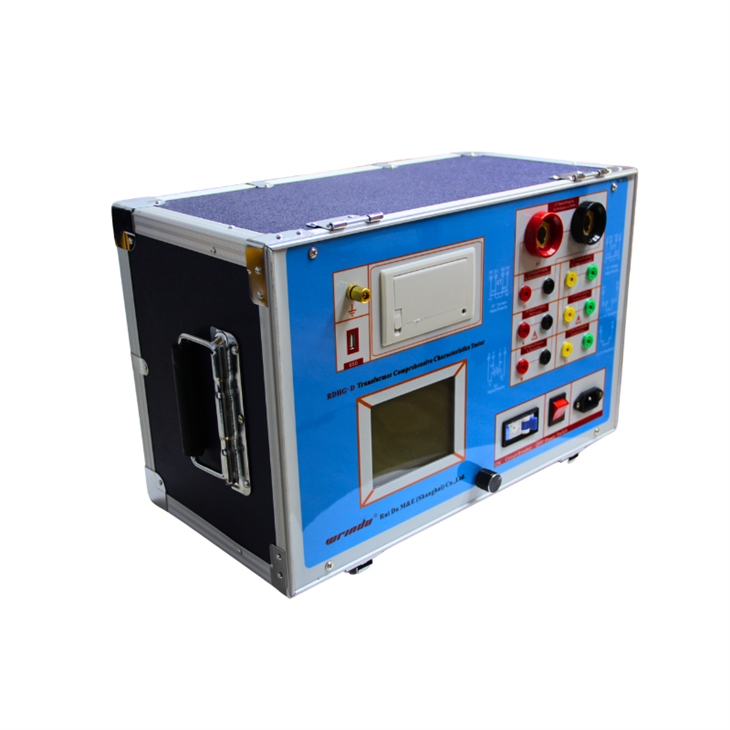
Why Is High Accuracy Important in Current Transformer Testing?
High-accuracy CT testing ensures precise monitoring of electrical networks, prevents transformer damage, and guarantees correct billing and protection settings. Measurement errors can compromise system safety and operational efficiency.
Using testers from Wrindu allows engineers and maintenance teams to validate transformer performance, maintain grid reliability, and reduce operational risks with confidence.
Where Are High-Accuracy Current Transformer Testers Used?
CT testers are widely used in power utilities, OEM transformer production, substations, power plants, and industrial factories. They are essential for commissioning, routine maintenance, fault diagnosis, and quality assurance.
Wrindu supplies high-accuracy testers globally, providing OEM and custom solutions tailored for precise industrial and B2B applications, ensuring reliability and performance consistency.
How Do Chinese Manufacturers Meet Global Accuracy Standards?
Chinese CT tester manufacturers, including Wrindu, comply with ISO9001, IEC, and CE standards. Advanced production processes, strict quality control, and dedicated R&D investment guarantee testers meet international accuracy benchmarks.
Wrindu’s focus on innovation, quality, and certification ensures customers worldwide receive reliable CT testers that maintain precise measurements across varying conditions.
Can Current Transformer Testers Be Customized for Specific Accuracy Needs?
Yes, many manufacturers provide tailored CT testers to meet unique requirements. Wrindu offers OEM configurations, adjustable accuracy classes, measurement ranges, and interface options to match specific operational demands.
Custom testers improve diagnostics, maintenance planning, and transformer verification for specific electrical systems, enhancing performance and safety.
What Role Does Innovation Play in Improving CT Tester Accuracy?
Innovation enhances measurement accuracy through improved sensor design, digital error correction, advanced algorithms, and stable calibration. Wrindu invests nearly 20% of annual profits in product development to push measurement precision forward.
These innovations maintain tester stability under diverse loads and environmental conditions, ensuring dependable results for modern power networks.
Wrindu Expert Views
“Accuracy in current transformer testing is fundamental to safe and efficient power management. At Wrindu, we focus on precision across voltage, current, and ratio measurements. By combining advanced design, rigorous quality control, and ongoing innovation, our testers give engineers and technicians worldwide confidence in every measurement. Reliable CT testing reduces risk, ensures system integrity, and supports optimal grid performance.” — Wrindu Engineering Team
Table: Accuracy Classes and Typical CT Tester Error Limits
| Accuracy Class | Ratio Error at 5% Rated Current | Ratio Error at 100% Rated Current | Typical Use Case |
|---|---|---|---|
| 0.1 | ±0.15% | ±0.1% | High-precision metering |
| 0.2 | ±0.75% | ±0.2% | Precision metering |
| 0.5 | ±1.5% | ±0.5% | General metering |
| 1 | ±3.0% | ±1.0% | Protection and relay testing |
| 3 | ±5.0% | ±3.0% | Industrial use and rough checks |
Table: Factors Affecting CT Tester Accuracy and Mitigation
| Factor | Effect on Accuracy | Wrindu’s Solution |
|---|---|---|
| Primary Current Load | Errors if load deviates from rated levels | Calibration over wide current range |
| Secondary Burden | Higher burden increases errors | Optimized compensation circuitry |
| Excitation Current | Non-linear secondary response | Advanced sensors and calibration techniques |
| Power Factor Variations | Phase angle errors | Digital compensation algorithms |
Conclusion
CT testers with accuracy between ±0.1% and ±0.5% are crucial for reliable transformer diagnostics, system safety, and operational efficiency. Choosing high-quality products from trusted manufacturers like Wrindu ensures compliance with global standards, tailored solutions, and continuous innovation. For B2B customers requiring OEM or customized testers, Wrindu delivers precise, dependable performance for power utilities, manufacturers, and industrial applications worldwide.
FAQs
What is the accuracy range of CT testers?
Typically ±0.1% to ±0.5%, depending on model and testing conditions.
Why do accuracy classes matter?
They define allowable measurement errors, guiding proper application selection.
Can CT testers be customized?
Yes, OEM configurations and tailored accuracy options are available from suppliers like Wrindu.
Which industries rely on high-accuracy CT testers?
Power utilities, transformer manufacturers, substations, industrial factories, and research labs.
How does Wrindu maintain high accuracy?
Through advanced design, strict quality control, R&D investment, and adherence to international standards.