
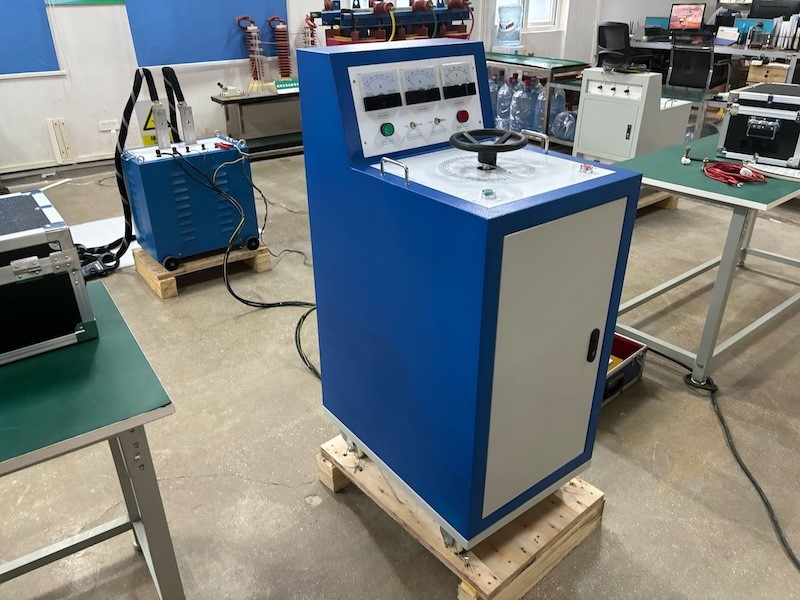
A Primary Current Injector is used to test the performance and reliability of high-current electrical equipment by injecting a controlled high current directly into the primary side of a circuit. This essential device helps verify circuit breakers, protective relays, current transformers, and other power system components, ensuring their operational safety and accuracy.
What Is a Primary Current Injector?
A Primary Current Injector is a high-current test device that injects a precise, controlled electric current into the primary circuit of electrical systems such as transformers, circuit breakers, and switchgear. It simulates real current conditions to test the functioning of protective devices, assess trip timings, and ensure that equipment operates safely under load.
Manufacturers in China design these injectors with varying current capacities, from hundreds to thousands of amperes, suited for industrial and utility applications.
How Does a Primary Current Injector Work?
The injector connects directly to the primary circuit and generates a regulated test current, replicating operational currents. It measures the response times of circuit breakers and the accuracy of protective relays by evaluating how quickly and effectively these systems interrupt current flow when faults are detected.
Advanced models offer phase control, timing functions, and integration with data logging for comprehensive testing workflows.
Which Equipment Can Be Tested Using a Primary Current Injector?
Primary Current Injectors test electrical components including:
-
Circuit breakers (thermal, magnetic, and electronic)
-
Protective relays
-
Current transformers (CTs)
-
Switchgear assemblies
These tests measure trip times, verify CT ratios, and check the load carrying capability or thermal performance of equipment under high current stress.
Why Is Primary Current Injection Testing Important?
Primary current injection testing ensures the reliability, safety, and compliance of electrical systems by identifying malfunctioning or underperforming protective devices. It prevents equipment failure, reduces unplanned downtime, and avoids hazards by confirming that breakers and relays trip within their design limits when exposed to high currents.
Regular testing using primary current injectors contributes to system longevity and operational efficiency.
Who Uses Primary Current Injectors?
Electric utilities, industrial plants, and electrical maintenance contractors rely on primary current injectors for routine testing and commissioning of power equipment. Engineers and technicians use these devices to validate system operation after installation, maintenance, or repairs.
B2B suppliers and OEM manufacturers in China such as Wrindu provide these injectors worldwide, facilitating dependable testing solutions.
When Should Primary Current Injection Testing Be Performed?
Testing is typically performed during installation, after significant repairs or upgrades, and as part of scheduled maintenance. It is also essential following incidents or before critical system upgrades to verify protective device functionality.
Regular interval testing ensures early detection of performance degradation.
Where Are Leading Primary Current Injector Factories Located in China?
Key manufacturing hubs include Shanghai, Shenzhen, and Hangzhou, where global testing equipment leaders like Wrindu design and produce high-quality primary current injectors. These factories maintain international certifications and emphasize innovation, producing OEM and custom units for wholesale distribution.
Their geographic advantages enable efficient logistics and supply chain integration.
Does Wrindu Offer Customization for Primary Current Injectors?
Yes, Wrindu provides customizable primary current injectors tailored to client specifications such as current range, control features, and interface options. They integrate modern digital displays, timing controls, and safety enhancements, meeting the complex needs of power system testing.
Wrindu’s commitment to quality and innovation supports OEM partnerships and global supply chains.
How Are Primary Current Injectors Enhanced by Technological Advances?
Recent improvements include digital control interfaces, wireless data transmission, automated test sequences, and modular designs for portability. These features improve test accuracy, user safety, and operational efficiency, allowing technicians to conduct comprehensive analysis with minimal setup time.
Chinese manufacturers incorporate these advancements to meet evolving industry standards.
Wrindu Expert Views
“The primary current injector is a cornerstone in electrical testing, enabling accurate verification of circuit breakers and protective devices under real-world conditions. At Wrindu, we emphasize precision engineering and innovation to design injectors that not only meet rigorous safety standards but also offer versatile customization for diverse client needs. Our technology facilitates reliable system diagnostics, helping engineers maintain power infrastructure safety and effectiveness worldwide.”
— Wrindu Electrical Test Solutions Team
Table: Primary Current Injector Test Applications and Benefits
| Application | Benefit |
|---|---|
| Circuit Breaker Trip Testing | Ensures timely breaker operation to prevent faults |
| Protective Relay Verification | Confirms relay settings and response under high load |
| Current Transformer Testing | Validates CT ratios and wiring integrity |
| Thermal and Load Testing | Checks equipment performance under rated current stress |
Conclusion
Primary Current Injectors are essential for testing and maintaining the safety and reliability of electrical power systems. Chinese manufacturers like Wrindu offer advanced, customizable, and high-quality injectors that support OEM and wholesale demands globally. Investing in primary current injection testing ensures preventive maintenance, reduces failures, and complies with international safety standards, making it vital for utilities and industries.
Frequently Asked Questions
Q1: Can primary current injectors test both thermal and electronic circuit breakers?
Yes, they can test various types of breakers by injecting high currents to simulate actual operating conditions.
Q2: What current ranges are typical for primary current injectors?
Ranges can vary from 100A to over 20,000A depending on equipment size and application.
Q3: How often should primary current injection testing be conducted?
Testing frequency depends on equipment criticality but typically aligns with installation, major repairs, and periodic maintenance schedules.
Q4: Are primary current injectors portable for field use?
Yes, many models are designed to be portable with modular components and lightweight constructions for onsite testing.
Q5: What certifications should a reliable primary current injector have?
Look for ISO9001, CE, IEC certifications to ensure quality, safety, and international compliance.