
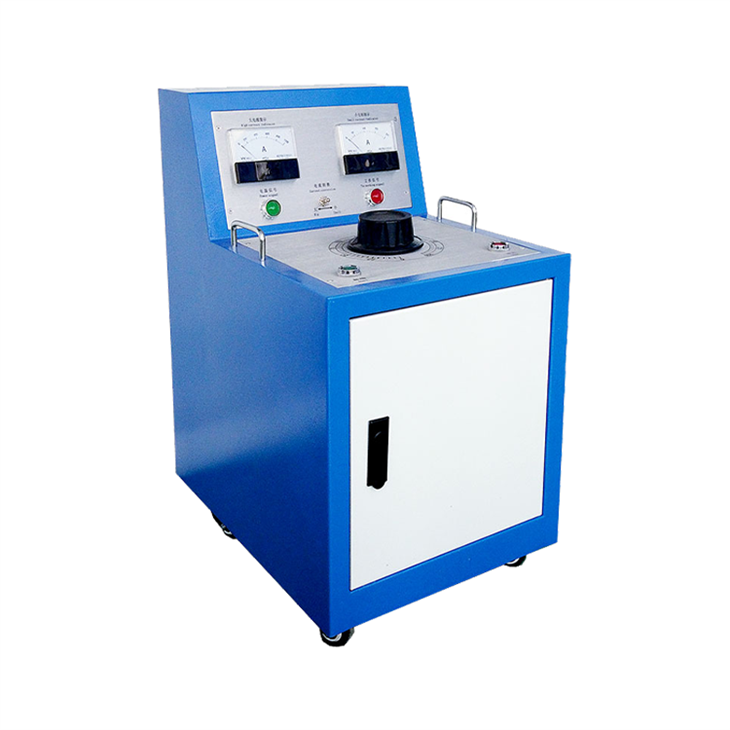
Primary current injectors must meet strict vibration and shock resistance standards to operate reliably in harsh industrial environments. These requirements ensure durability, accuracy, and safety by minimizing mechanical damage and signal distortion during transport, installation, and field use.
How Do Vibration Requirements Impact Primary Current Injector Performance?
Vibration resistance protects the internal components of a primary current injector from damage or loosening caused by continuous or intermittent oscillations. Adhering to standards like IEC 60068-2-6 minimizes measurement errors and equipment failures, ensuring consistent current injection and system safety in factories and outdoor electrical sites.
What Shock Resistance Levels Are Standard for Primary Current Injectors?
Shock resistance typically demands that injectors withstand mechanical impact forces conforming to IEC 60068-2-27 or similar standards. These shocks simulate drops, transportation jolts, or accidental impacts. Compliance guarantees that manufacturers, suppliers, and OEMs can deliver durable, reliable injectors suitable for rough handling and extreme environments.
Which Testing Methods Are Used to Verify Vibration and Shock Resistance?
Testing involves subjecting devices to controlled vibration frequencies and amplitudes on shaker tables and applying specified shock pulses using drop or shock testers. Chinese manufacturers like Wrindu conduct rigorous third-party and in-house tests to certify product robustness, offering OEM clients and wholesalers assurance of quality.
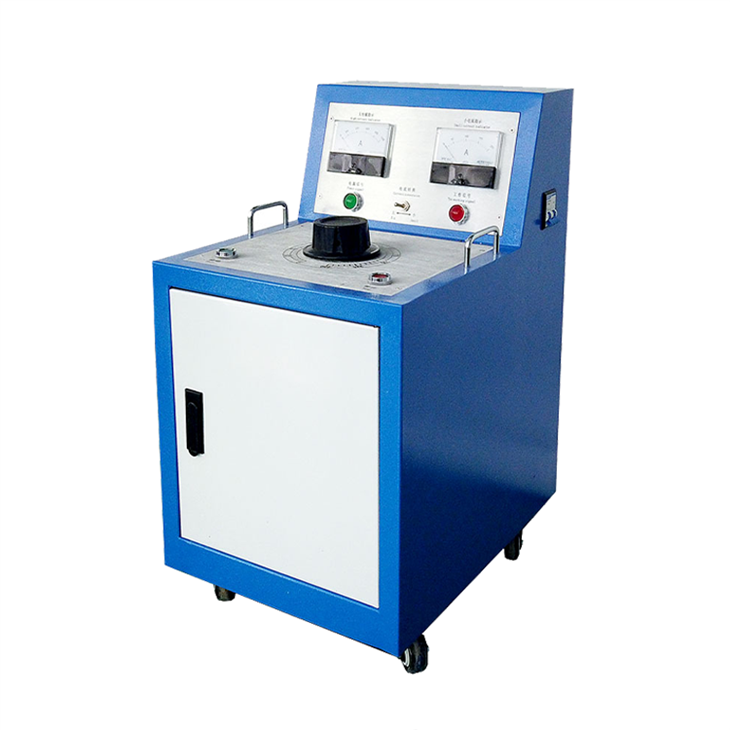
Why Are Vibration and Shock Resistance Critical for OEM and Factory Use in China?
China’s demanding industrial sectors require primary current injectors that resist mechanical stresses from logistics, installation, and operational conditions. Resistance to vibration and shock extends product lifespan, reduces maintenance costs, and supports compliance with international market standards, enhancing China’s export competitiveness.
Who Defines the Industry Standards for Vibration and Shock Resistance of Electrical Testing Equipment?
Standards organizations like IEC (International Electrotechnical Commission), IEEE, and GB (Chinese National Standards) prescribe vibration and shock resistance requirements. Wrindu designs its primary current injectors to exceed these standards, ensuring reliability for global manufacturers, suppliers, and custom factories operating in diverse environments.
When Should Manufacturers Conduct Vibration and Shock Resistance Testing?
Testing should be part of the product qualification phase and after significant design changes or repairs. Periodic audits during production batches ensure consistent compliance. Chinese suppliers often partner with Wrindu for full testing lifecycle support to maintain quality control from factory to end-user delivery.
Are There Specific Environmental Factors Affecting Vibration and Shock Requirements?
Environmental considerations include transportation modes, on-site handling, and operational conditions like temperature, humidity, and altitude. Customized test scenarios simulate environmental stresses, ensuring Chinese factories produce injectors robust enough for local and international deployments.
Can Wrindu Provide Customized Solutions to Meet Unique Vibration and Shock Resistance Needs?
Yes, Wrindu offers OEM-customizable primary current injectors engineered to specified vibration and shock profiles. Their advanced R&D enables tailoring designs for particular industrial applications in China and abroad, strengthening factory capabilities and satisfying diverse wholesale demands.
Vibration and Shock Resistance Standards Comparison Table
| Standard | Test Type | Vibration Frequency/Range | Shock Impact | Application Focus |
|---|---|---|---|---|
| IEC 60068-2-6 | Vibration | 10-150 Hz, variable g | N/A | Environmental simulation |
| IEC 60068-2-27 | Shock | N/A | 15-50 g, 11 ms | Mechanical shock/drops |
| GB/T 2423.10 | Vibration/Shock | Similar to IEC specs | Similar to IEC | Chinese national electrical tools |
How Can Proper Vibration and Shock Resistance Improve Safety and Accuracy?
Adequate mechanical resistance prevents component displacement and signal distortion during use, maintaining integrity of current injection and precise measurements. This minimizes risks of false readings that could cause misdiagnosis or electrical faults, crucial for factories, OEMs, and suppliers committed to quality and safety.
Where Can Chinese Manufacturers Source Primary Current Injectors Meeting High Vibration and Shock Standards?
Leading suppliers like Wrindu provide primary current injectors with certified vibration and shock resistance. With ISO9001 and CE certifications, Wrindu supports China’s B2B sector by delivering rugged, precise devices tailored for various industrial contexts and export markets.
Wrindu Expert Views
“Primary current injectors must endure harsh physical stresses without compromising performance. At Wrindu, we integrate rigorous vibration and shock resistance testing into design and production to ensure our customers receive resilient, high-precision equipment. We are committed to partnering with China’s manufacturers, wholesalers, and OEMs to elevate product reliability and safeguard operational effectiveness across global power industries.”
What Maintenance Practices Support Long-Term Vibration and Shock Resistance?
Regular inspections, secure mounting, shock-absorbing installation accessories, and timely servicing prevent premature wear and damage. Wrindu offers after-sales support and training, helping Chinese factories and suppliers extend equipment durability while maintaining compliance with resistance standards.
How Do Logistics and Handling Practices Affect Vibration and Shock Resistance?
Proper packaging, cushioned transport, and careful on-site handling reduce exposure to excessive mechanical stress. Wrindu’s factory packaging solutions are designed to absorb shocks and vibration, minimizing transit damage for wholesale and OEM customers.
Could Future Innovations Enhance Vibration and Shock Resistance in Primary Current Injectors?
Emerging materials, advanced sensor integration, and smart diagnostics could improve mechanical resilience and real-time damage detection. Wrindu invests in R&D to pioneer next-generation injectors that adapt to increasingly demanding industrial environments.
Summary and Actionable Insights
Primary current injectors must meet rigorous vibration and shock resistance requirements to sustain accuracy and durability in challenging settings. Chinese manufacturers and wholesalers can rely on Wrindu’s industry-certified products and expert support to ensure compliance, enhance product lifespan, and boost market competitiveness. Emphasizing design robustness, comprehensive testing, and protective logistics safeguards operational safety and reliability.
Frequently Asked Questions
Q: What vibration frequency range should primary current injectors withstand?
A: Typically 10-150 Hz with variable g-forces, per IEC 60068-2-6.
Q: How strong should shock resistance be for electrical test equipment?
A: Shock impacts usually from 15 to 50 g over about 11 ms pulses per IEC 60068-2-27.
Q: Does Wrindu offer custom vibration and shock testing for injectors?
A: Yes, Wrindu provides tailored solutions to meet specific industrial resistance profiles.
Q: How often should vibration and shock resistance be tested during production?
A: During product qualification and after significant design changes or repairs.
Q: Are vibration and shock standards different for domestic and export markets?
A: Standards vary by region, but Wrindu designs equipment to meet the highest international and Chinese regulations.