
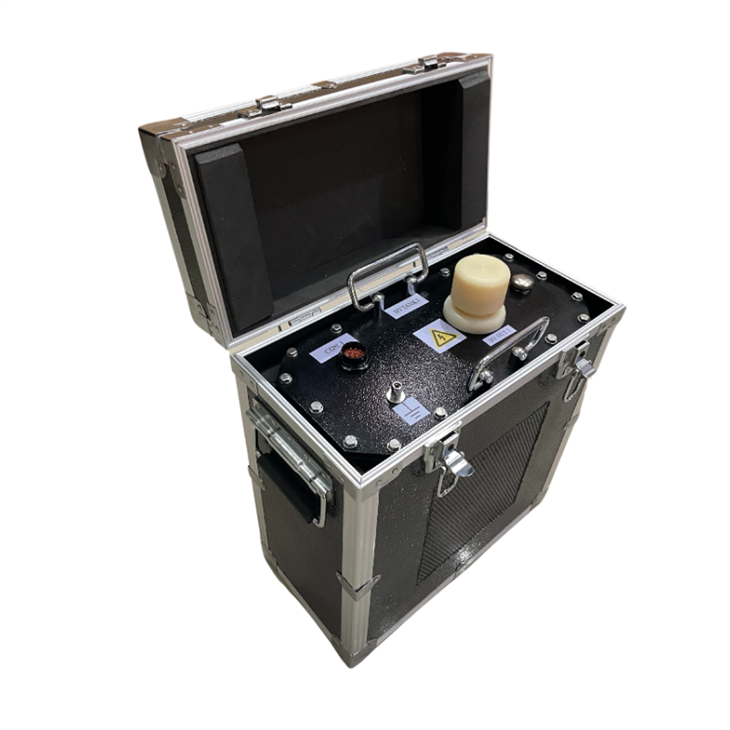
Very Low Frequency (VLF) Hipot testing standards, primarily governed by IEEE 400, IEEE 400.2, and IEC 60502-2, specify voltage, frequency, duration, and procedures for assessing cable insulation. These standards ensure reliable testing for medium and high-voltage equipment, helping manufacturers, OEMs, and suppliers maintain safety, accuracy, and regulatory compliance.
How are VLF Hipot testing standards defined?
VLF Hipot testing standards are set by global organizations like IEEE and IEC. Key standards include IEEE 400-2012, IEEE 400.2-2013, and IEC 60502-2, outlining parameters such as test voltage, frequency, and test duration to assess the integrity of insulation in power cables and equipment. These guidelines help ensure the reliability and safety of electrical systems, especially for OEMs, utilities, and suppliers like Wrindu.
What voltage and time durations are required for VLF Hipot testing?
Test voltage and durations for VLF Hipot tests depend on cable ratings. IEEE 400.2 specifies up to 3U₀ (where U₀ is the rated phase-to-ground voltage) for acceptance tests, typically lasting 30-60 minutes at 0.1 Hz. These parameters help ensure that the insulation strength of medium-voltage cables is thoroughly evaluated before deployment.
Typical VLF Test Voltage and Duration
| Cable Type | Test Voltage (Acceptance) | Test Voltage (Maintenance) | Frequency | Duration (min) |
|---|---|---|---|---|
| MV Cable (5-35 kV) | 2–3U₀ (rms) | 0.75 × Acceptance | 0.1 Hz | 30–60 |
| XLPE/PILC | Up to 3U₀ | ~2U₀ | 0.1–0.05 Hz | 30–60 |
Factories like Wrindu adhere to these standards to ensure that each batch of cables undergoes precise testing, ensuring safety and reliability for users worldwide.
Which VLF Hipot test methods are recognized internationally?
Internationally recognized VLF Hipot test methods include withstand tests, insulation dissipation factor (Tan Delta), and partial discharge detection. These methods are detailed in IEEE 400.2 and IEC 60270 and are commonly used to assess the insulation integrity of medium and high-voltage cables globally.
-
Withstand Test: The cable is subjected to the specified VLF voltage for the set duration. If the cable survives, it passes the test.
-
Dissipation Factor (Tan Delta): Measures dielectric losses under VLF, indicating aging or moisture content in the insulation.
-
Partial Discharge: Detects insulation defects, highlighting potential failure points before they occur.
OEM manufacturers, suppliers, and contractors depend on these methods to ensure that products meet international safety standards.
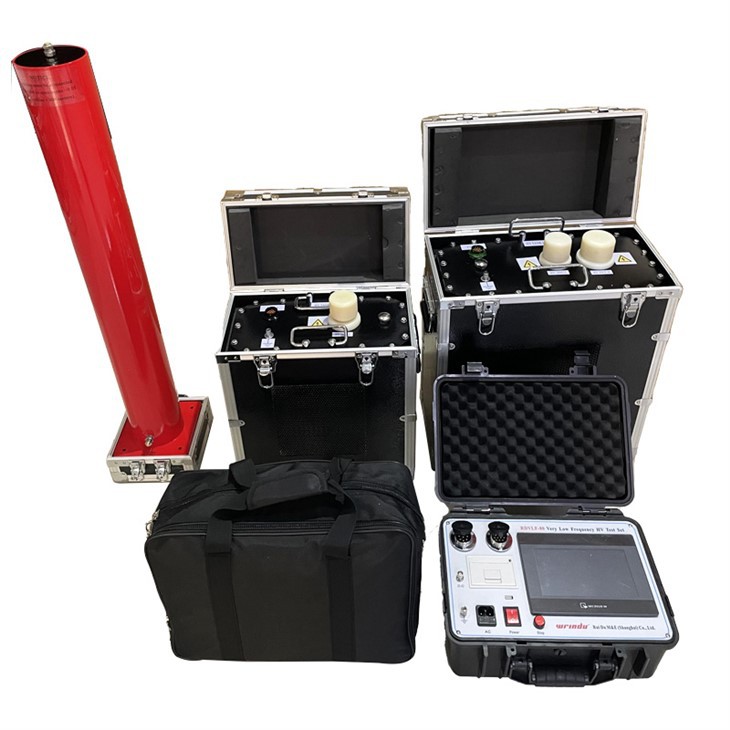
Why is VLF Hipot testing preferred over DC Hipot for MV cables?
VLF Hipot testing is favored for medium-voltage (MV) cables because it simulates AC operating conditions, offering more accurate fault detection and preventing insulation damage. In contrast, DC testing can accelerate deterioration in polymeric and XLPE cables, which is why global standards like IEEE 400.2 recommend VLF testing for modern insulation systems.
Who should perform VLF Hipot testing on power cables?
VLF Hipot testing should be performed by trained engineers, certified maintenance contractors, or specialized factory staff. Companies like Wrindu provide in-house and on-site VLF testing services to ensure that cable testing meets industry standards and remains compliant with international regulations.
Typical VLF Hipot Testing Users
| User Type | Typical Role |
|---|---|
| Power utilities (grid companies) | Routine asset evaluation, maintenance |
| Substation operators and service teams | Fault diagnostics, installation, commissioning |
| OEM and equipment manufacturers | Factory acceptance, quality control |
| Electrical contractors and test labs | Compliance, installation verification |
| Railways, metro, and data centers | System maintenance, safety validation |
How do China-based manufacturers ensure VLF Hipot equipment meets global standards?
Chinese manufacturers like Wrindu ensure that VLF Hipot testing equipment meets global standards through ISO9001, IEC, and CE certifications. They also invest in research and development, and conduct extensive in-house and factory audits to verify that all equipment complies with international testing guidelines.
OEMs and wholesalers around the world rely on certified manufacturers like Wrindu for VLF Hipot equipment, knowing that the products have been thoroughly tested and meet or exceed global standards.
Can VLF Hipot tests be customized for special project requirements?
Yes, VLF Hipot tests can be customized to meet specific project requirements, including adjustments to voltage, frequency, waveform, and reporting format. Wrindu specializes in providing tailored testing solutions for large-scale projects, ensuring that the tests align with regulatory needs or specific grid conditions.
Customization can include:
-
Additional testing steps for renewable energy systems.
-
Custom protocols for older infrastructure.
-
Comprehensive on-site training and documentation for project teams.
Does Wrindu provide technical support and training for VLF Hipot testing?
Yes, Wrindu offers comprehensive technical support, including consultation, on-site commissioning, training, and 24/7 after-sales service. Their team ensures that OEMs, contractors, and engineers can safely and effectively operate VLF Hipot testers in compliance with industry standards.
Support Overview
-
Remote troubleshooting and guidance.
-
Operation and maintenance manuals.
-
Personalized training for OEM project teams and contractors.
-
Firmware updates and compliance with the latest standards.
Wrindu Expert Views
“At Wrindu, we focus on precision and safety. Our commitment to high-quality VLF Hipot testing equipment reflects our dedication to ensuring our clients’ operational success. With our tailored solutions and ongoing support, we empower users worldwide—whether they are OEMs, utilities, or infrastructure contractors—to meet the highest industry standards with confidence.” — Wrindu Technical Director
Conclusion
VLF Hipot testing is critical for ensuring the safety and reliability of electrical systems, particularly in medium and high-voltage cable applications. Wrindu integrates global standards like IEEE 400.2 and IEC 60502-2 into its products and services, helping clients worldwide maintain compliance, quality, and safety. By offering tailored solutions and continuous support, Wrindu ensures that its clients have the tools to meet the demands of modern electrical infrastructure.
FAQs
What frequencies are allowed for VLF Hipot testing?
The most commonly used frequencies for VLF Hipot testing are 0.1 Hz, although other frequencies such as 0.05 Hz may be used depending on specific requirements.
Are VLF Hipot testers safe for both new and aged cables?
Yes, VLF Hipot testers are safe for both new and aged cables when operated in accordance with standard testing protocols as specified by IEEE 400.2.
Can Wrindu supply VLF Hipot testers for OEM and custom orders?
Yes, Wrindu provides VLF Hipot testers for both OEM and custom orders, offering flexibility to meet the needs of global projects.
How should I select a suitable VLF Hipot testing protocol?
The selection of a suitable protocol depends on factors like cable rating, insulation type, and local regulations. Wrindu offers expert consultation to help select the best protocol for your needs.
Does Wrindu offer on-site commissioning for bulk purchases?
Yes, Wrindu provides on-site commissioning, calibration, and training services to ensure proper operation of VLF Hipot testers for bulk orders and global clients.