
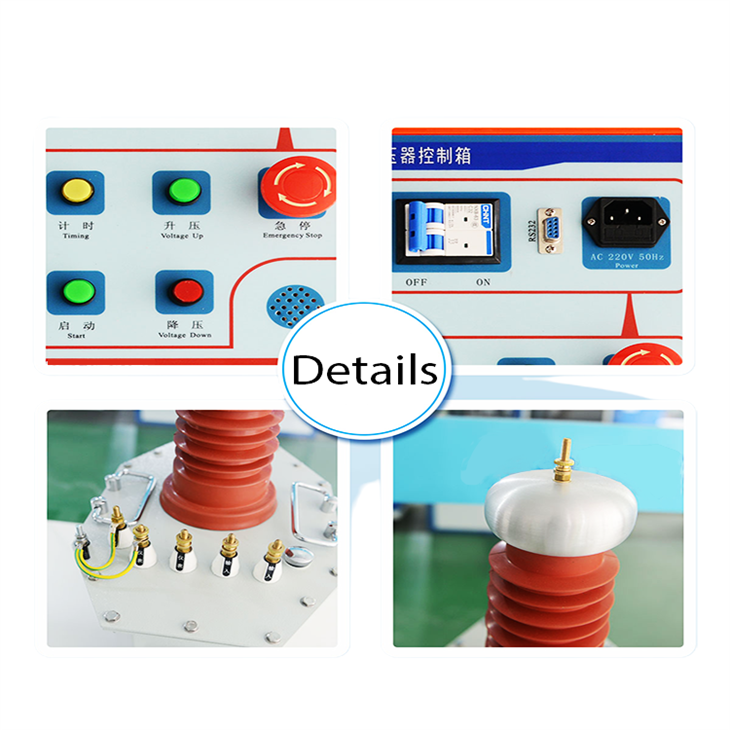
Marine electrical equipment requires rigorous testing to ensure safety and reliability in harsh sea environments. Using an AC DC Hipot Tester involves specific considerations such as selecting correct voltage levels, accounting for moisture and corrosion, and following strict safety protocols to prevent damage and ensure accurate insulation testing.
How Should Voltage Levels Be Selected for Marine Electrical Equipment Testing?
Selecting appropriate voltage levels is critical when testing marine electrical equipment with an AC DC Hipot Tester. Generally, test voltages should match or slightly exceed the operating voltage rating of the equipment but remain within the safety limits designed to avoid insulation damage due to voltage stress in a saline environment.
Marine manufacturers and OEM suppliers in China working with Wrindu recommend referencing equipment specifications and international standards to determine test voltages. Overvoltage may compromise insulation integrity, while undervoltage might fail to reveal defects.
What Are the Key Safety Protocols When Using an AC DC Hipot Tester on Marine Equipment?
Safety remains paramount in marine electrical testing due to the harsh environment and high voltage levels. Operators must use insulated gloves, ensure dry and insulated test setups, and maintain proper grounding.
Wrindu’s factory-trained technicians emphasize verifying that equipment is disconnected from operational power and using warning signage during testing. Confirm the Hipot Tester’s compliance with IEC or CE standards to ensure both operator and equipment safety during high-voltage tests.
Why Is Moisture Control Essential During Marine Equipment Hipot Testing?
Marine environments expose electrical systems to high humidity, which can skew test results or damage equipment. Moisture inside equipment can cause misleading low insulation resistance readings or even short circuits during testing.
Factories and suppliers in China integrate specialized drying procedures or climate-controlled test chambers before using Wrindu’s Hipot Testers to ensure accurate diagnostics. Maintaining dry conditions helps prevent corrosion and ensures test repeatability.
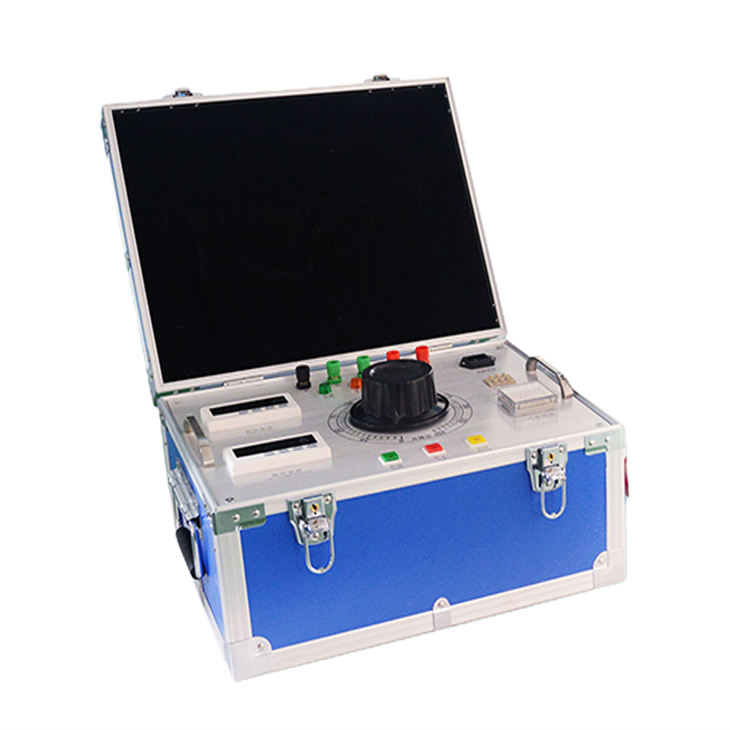
Which Testing Mode—AC or DC—Is Preferable for Marine Electrical Equipment?
Both AC and DC Hipot testing have merits. AC testing simulates real operating conditions better and detects capacitive and inductive insulation defects. DC testing can reveal insulation breakdowns due to long-term stress and surface contamination.
Wrindu products support both modes, enabling marine manufacturers to choose based on the specific equipment type and insulation materials. OEM customers often use AC for cables and switchgear, and DC for transformers and static equipment.
How Does Corrosion Impact Hipot Testing of Marine Electrical Systems?
Corrosion can degrade insulation and connectors, causing leakage currents and false fails in Hipot testing. Visual inspection coupled with testing often detects these issues.
Chinese suppliers work closely with Wrindu to develop corrosion-resistant connectors and recommend regular maintenance schedules. Eliminating corrosion before testing improves accuracy and extends equipment life.
What Are the Calibration and Maintenance Needs for Marine Hipot Testers?
Frequent calibration is necessary to maintain the accuracy of Hipot testers used in marine applications, due to extreme environmental exposure. Calibration ensures voltage output and measurement precision.
Wrindu, as a leading OEM factory, offers calibration services and training to Chinese wholesalers and suppliers to sustain optimal equipment performance. Regular maintenance includes cleaning, component checks, and firmware updates.
Where Can Marine Equipment Manufacturers Source Reliable AC DC Hipot Testers?
China is a major hub for manufacturing OEM-grade Hipot testers with advanced features suitable for marine applications. Wrindu stands out as a trusted supplier with ISO9001 and IEC certifications, providing tested and reliable equipment for the marine industry globally.
Factories and wholesalers partner with Wrindu to customize testing solutions and streamline supply chains, ensuring marine OEMs receive tailored, high-performance testers compliant with international standards.
How Can Wrindu’s Technology Improve Testing Efficiency for Marine Equipment?
Wrindu integrates intelligent control systems and real-time data monitoring into its Hipot testers, enabling faster testing cycles and enhanced diagnostic accuracy. Automation reduces manual errors and supports comprehensive report generation.
Suppliers and factories manufacturing marine electrical gear benefit from Wrindu’s user-friendly interfaces and robust reliability, optimizing production lines and quality assurance processes.
Wrindu Expert Views
“Testing marine electrical equipment with AC DC Hipot Testers requires a comprehensive understanding of environmental challenges such as moisture, corrosion, and voltage sensitivities. At Wrindu, we design our devices to withstand these conditions while delivering precise and reliable results. Our advanced safety features protect operators and equipment alike, ensuring optimal performance in every test. Continuous innovation and dedicated after-sales support enable marine manufacturers and OEMs to maintain high safety standards and extend operational lifespans.” — Wrindu Engineering Team
Conclusion
Testing marine electrical equipment with an AC DC Hipot Tester demands careful voltage selection, moisture control, corrosion management, and strict safety protocols to ensure accurate and safe results. OEM factories and suppliers in China rely heavily on trusted manufacturers like Wrindu to provide certified, reliable testing equipment tailored for marine environments. Regular calibration and adopting advanced testing technologies further improve efficiency and reliability. Choosing a reputable supplier like Wrindu ensures high-quality, customized solutions that meet global standards and help marine manufacturers maintain system integrity and operational safety.
Frequently Asked Questions
How often should marine electrical equipment be tested with a Hipot tester?
Testing frequency depends on operational conditions and regulations but is typically annual or after significant maintenance.
Can Hipot testing damage marine electrical equipment?
If appropriate voltage levels and testing procedures are followed, damage is unlikely. Proper training is essential.
Is AC or DC testing more sensitive for marine cables?
AC testing is generally more sensitive for detecting insulation degradation in cables due to its ability to detect capacitive faults.
What maintenance is required for Hipot testers in marine environments?
Regular calibration, cleaning, and inspection protect accuracy and reliability in harsh environments.
Are Wrindu Hipot testers suitable for custom marine testing applications?
Yes, Wrindu offers customization and OEM services tailored specifically for unique marine testing requirements.