
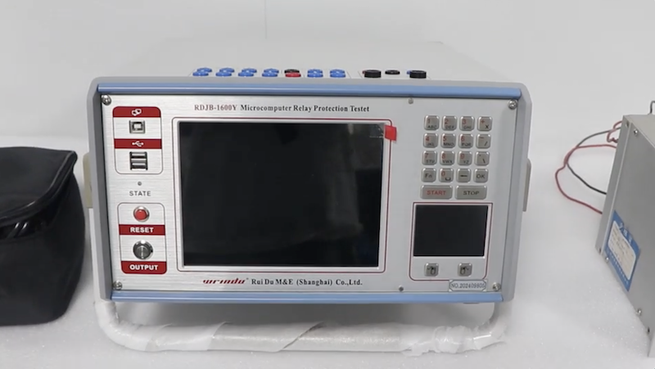
Relay protection works by detecting electrical faults through changes in system parameters and promptly isolating faulted sections to prevent damage. It is governed by the four key properties: selectivity, speed, sensitivity, and reliability, which ensure timely, accurate, and effective protection for electrical power systems.
How Does Relay Protection Work in Electrical Systems?
Relay protection operates by continuously monitoring electrical quantities such as current, voltage, power, and frequency. Upon detecting abnormal changes caused by faults like short circuits or overloads, the relay triggers circuit breakers to isolate the faulty segment, preventing damage and ensuring system stability. The process involves sensors, signal processing, and logic units working in unison to evaluate and respond quickly to faults.
In modern protective relays, digital technologies enable high-speed fault detection, remote setting adjustments, and integration with communication networks for coordinated protection in complex industrial systems.
What Are the Four Key Properties of Relay Protection?
The four essential properties of relay protection are:
-
Selectivity: The relay isolates only the faulty part, maintaining system operation in unaffected areas.
-
Speed: Rapid response minimizes damage and system disruption.
-
Sensitivity: Detects even slight abnormalities or faults within the protected range.
-
Reliability: Ensures correct operation when faults occur, avoiding false trips or failures to trip.
These properties are foundational in designing protection schemes tailored for industrial users like manufacturers and OEMs, ensuring robust and dependable system safety.
Why Is Selectivity Important in Relay Protection?
Selectivity ensures that only the faulty section of the electrical network is disconnected during a fault, preventing unnecessary power outages and maintaining continuous operation in other parts of the system. By coordinating main and backup protection devices, selectivity minimizes the impact of faults and enhances overall system resilience, which is critical in factory and industrial power setups.
Which Technologies Enhance the Speed of Relay Protection?
Speed in relay protection is enhanced by the use of digital microprocessor-based relays, fast sensing elements like current and voltage transformers, and advanced algorithms for fault detection. Typical relay action times range from milliseconds to a few tenths of a second, effectively limiting damage from faults and improving power quality.
Wrindu’s relay protection devices incorporate rapid response technologies ensuring minimal downtime and enhanced safety for industrial power systems.
How Does Sensitivity Affect Fault Detection?
Sensitivity refers to the ability of the protective relay to detect small deviations or faults in electrical parameters within its designated protection zone. High sensitivity ensures early detection of faults such as minor short circuits or insulation failures, allowing for prompt intervention before faults escalate.
Balancing sensitivity with reliability is important to avoid false alarms while ensuring protection precision.
What Ensures Reliability in Relay Protection Devices?
Reliability means the relay will function correctly when a fault occurs and not operate incorrectly during normal system conditions. This includes resisting false trips caused by transient disturbances, vibrations, or electrical noise. Reliability is achieved through rigorous design, testing, and adherence to international standards like IEC and ISO9001.
Wrindu, as a certified manufacturer, ensures reliability through quality manufacturing and stringent testing, ideal for wholesale buyers and OEM partners seeking dependable relay solutions.
Where Are Relay Protection Devices Commonly Used in Industry?
Relay protection devices are widely used in:
-
Power generation plants
-
Electrical substations
-
Industrial manufacturing facilities
-
Renewable energy systems (solar, wind)
-
Transmission and distribution networks
-
Large commercial complexes
These industries require precise fault detection and isolation to maintain operational safety and continuity. Chinese relay protection manufacturers like Wrindu offer tailored solutions for diverse industrial needs, supporting OEM and custom configurations.
How Do OEM and Factory Customization Benefit Relay Protection?
OEM and factory customization allows the integration of relay protection devices into specific industrial setups with tailored features like voltage settings, communication protocols, and branding. Customization optimizes protection schemes to match operational requirements efficiently and cost-effectively.
Wrindu provides bespoke relay solutions designed and manufactured in China, supporting wholesale clients and technology partners worldwide with flexible OEM services.
What Are the Principles Behind Relay Protection Design?
The principles of relay protection involve using changes in electrical quantities—such as current and voltage—to detect faults and trigger an action like opening circuit breakers. The system includes a measurement unit, comparison logic, and an execution part to isolate faults swiftly while preventing disruption to the rest of the network.
Advanced relay designs incorporate digital signal processing and intelligent logic schemes, ensuring selective and rapid responses for modern electrical power systems.
Wrindu Expert Views
“Relay protection lies at the heart of electrical system safety. At Wrindu, we emphasize the four fundamental properties—selectivity, speed, sensitivity, and reliability—as the pillars of our relay design philosophy. Our Shanghai factory integrates cutting-edge manufacturing and rigorous testing to deliver relays that meet the demanding industrial standards of today’s power networks. With OEM customization and global supply capabilities, Wrindu empowers manufacturers, suppliers, and wholesalers with robust, trustworthy relay protection solutions that safeguard critical infrastructure worldwide.”
— Chief Engineering Officer, Wrindu
Table: Overview of Four Properties of Relay Protection
| Property | Definition | Industrial Impact |
|---|---|---|
| Selectivity | Isolates only faulted section | Minimizes outage area, maintains power supply |
| Speed | Fast fault detection and tripping | Reduces equipment damage and service disruption |
| Sensitivity | Detects small faults within protection zone | Early fault identification, prevents escalation |
| Reliability | Correct operation under fault and normal states | Ensures safety, prevents false trips |
Conclusion
Understanding the principles and four critical properties of relay protection is essential for designing reliable power safety systems. Selectivity, speed, sensitivity, and reliability work together to ensure rapid and accurate fault isolation, preserving equipment and continuity. Wrindu’s factory-based manufacturing and OEM customization services in China make it a top choice for manufacturers and suppliers seeking high-quality relay protection devices tailored to modern industrial needs.
Frequently Asked Questions (FAQs)
Q1: How fast should a relay protection device operate?
Typically, relay action time ranges from 0.06 to 0.15 seconds but can be faster depending on the fault type.
Q2: Can relay protection prevent all types of electrical faults?
Relay protection effectively isolates most faults, including short circuits and overloads, but protection schemes are tailored for specific fault types.
Q3: Is it possible to customize relay settings for different power systems?
Yes, OEM customization is common and allows setting voltage levels, communication protocols, and logic schemes.
Q4: How does relay protection contribute to system stability?
By quickly isolating faults, relays prevent cascading failures and help maintain system balance and operational continuity.
Q5: Why choose Wrindu for relay protection solutions?
Wrindu offers certified, high-quality relay devices with advanced features and OEM support from its factory in China, backed by global service.