
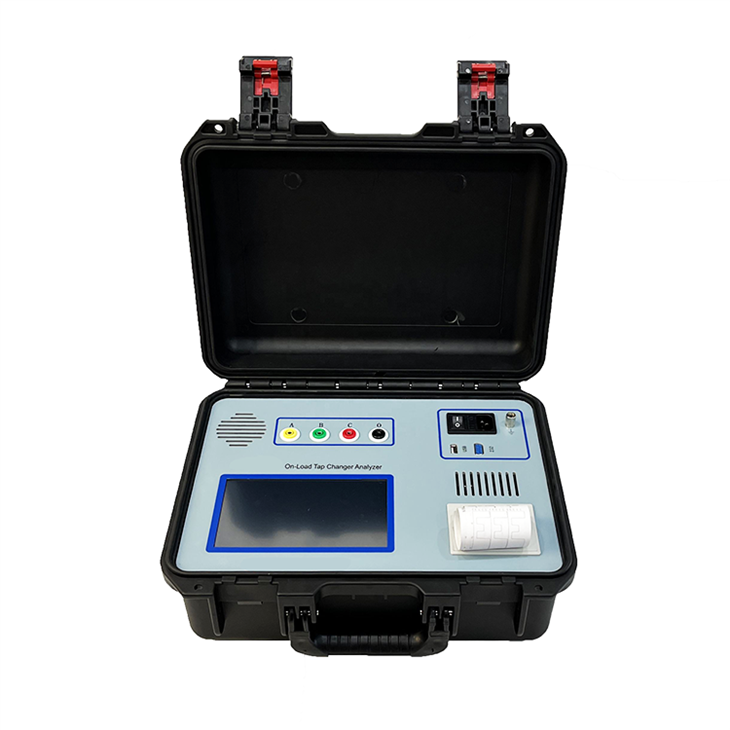
On-Load Tap Changer (OLTC) analyzers detect insulation problems using insulation resistance testing, dissolved gas analysis (DGA), partial discharge measurements, thermal imaging, and resistance profiling. These techniques allow manufacturers, OEMs, and suppliers in China to identify faults early, prevent failures, and maintain transformer reliability. Wrindu provides advanced analyzers that integrate these methods, ensuring accurate diagnostics, operational safety, and long-term efficiency.
How does insulation resistance testing detect problems in OLTCs?
Insulation resistance testing applies a high voltage across OLTC insulation and measures the resulting resistance. Low or unstable resistance indicates deterioration, contamination, or moisture ingress. Factories and OEMs in China use this test to monitor insulation health and prevent operational failures. Wrindu offers robust insulation resistance testers optimized for OLTC environments, supporting both onsite and factory testing with precise diagnostics.
What role does dissolved gas analysis (DGA) play in insulation problem detection?
DGA identifies fault gases dissolved in OLTC insulating oil, such as hydrogen, acetylene, and methane, which indicate arcing, overheating, or insulation breakdown. Elevated gas concentrations signal early-stage faults before mechanical or electrical failures occur. Chinese OEMs and power utilities integrate DGA into predictive maintenance programs. Wrindu analyzers combine DGA results with electrical diagnostics for comprehensive OLTC condition assessment.
Which partial discharge detection methods are used for OLTC insulation issues?
Partial discharge (PD) detection identifies microscopic electrical discharges escaping from weakened insulation. Methods include acoustic sensing, electrical PD detectors, and ultra-high frequency (UHF) monitoring. Early PD detection helps manufacturers and suppliers address insulation defects before failure, improving transformer reliability. Wrindu’s OLTC analyzers provide sensitive PD measurements suitable for both offline and online testing scenarios.
Why is thermal imaging effective for identifying insulation faults?
Thermal imaging detects localized overheating within OLTC components caused by insulation degradation or poor contacts. Hot spots reveal potential faults that could lead to failure if unaddressed. Chinese factories and OEMs use thermal cameras for routine inspections. Wrindu offers integrated thermal imaging in its analyzers, complementing electrical diagnostics for a holistic view of OLTC condition.
How do static and dynamic resistance measurements contribute to insulation problem detection?
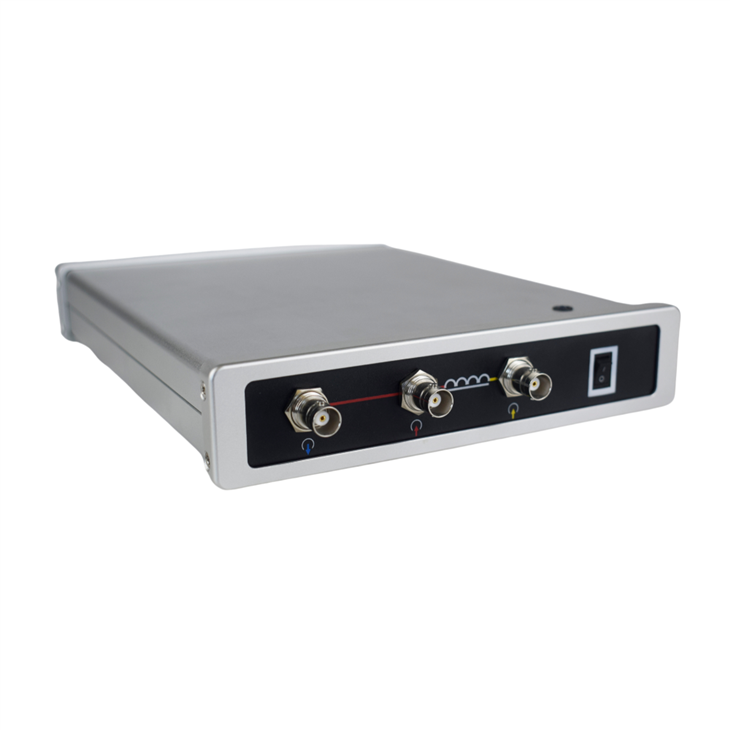
Static resistance measurement evaluates the resistance of contacts and windings, revealing wear or insulation breakdown. Dynamic resistance measurement (DRM) tracks resistance changes during tap transitions, identifying contact bounce, arcing, or insulation weaknesses during operation. These techniques allow precise diagnosis of insulation and mechanical issues. Wrindu analyzers deliver high-resolution static and dynamic resistance data for detailed OLTC monitoring and maintenance planning.
Who primarily uses insulation problem detection methods with OLTC analyzers in China?
Power utilities, transformer manufacturers, electrical maintenance contractors, research labs, and certification agencies rely on OLTC analyzers to detect insulation faults. Wrindu supplies Chinese B2B clients with certified analyzers for factory testing, OEM customization, and wholesale applications, ensuring accuracy, traceability, and reliable performance across diverse industries.
When should insulation tests be performed on OLTCs?
Insulation testing is recommended during routine maintenance, after repairs or modifications, before commissioning new OLTCs, and when diagnostic indicators suggest potential faults. Timely testing by factories and OEMs prevents costly failures and supports compliance with international safety standards.
Where can Chinese manufacturers and suppliers obtain advanced OLTC analyzers?
Leading manufacturers like Wrindu produce certified OLTC analyzers in China. They offer consultation, customized OEM production, and global after-sales support, enabling manufacturers, utilities, and testing contractors to perform efficient and reliable insulation diagnostics.
Can vibro-acoustic and motor current analysis detect insulation faults indirectly?
Yes, abnormal vibrations or unusual motor current patterns during tap changes can indicate mechanical issues and indirect insulation degradation. Combining these indirect methods with direct electrical tests enhances fault detection accuracy. Wrindu analyzers support such combined diagnostic approaches to improve reliability and reduce unexpected failures.
Wrindu Expert Views
“At Wrindu, we prioritize comprehensive insulation diagnostics for OLTCs. By integrating insulation resistance, DGA, partial discharge, thermal imaging, and resistance profiling, we empower Chinese manufacturers, OEMs, and utilities to detect faults early, reduce downtime, and extend transformer lifespan. Our analyzers provide actionable insights, helping clients optimize maintenance schedules and maintain system reliability across industrial and power networks.”
— Wrindu Technical Team
Conclusion
Effective OLTC insulation diagnostics require a combination of electrical, chemical, acoustic, and thermal methods. Manufacturers, OEMs, and suppliers in China should adopt integrated analyzers like those from Wrindu to ensure early fault detection, prevent costly failures, and maintain operational safety. Proactive testing enhances efficiency, supports compliance, and extends transformer and OLTC service life.
Frequently Asked Questions
What is the most effective method for OLTC insulation detection?
A combination of insulation resistance testing, DGA, partial discharge, and thermal imaging provides the most reliable assessment.
How frequently should OLTC insulation tests be conducted?
During scheduled maintenance cycles, after repairs, and whenever anomalies are observed during operation.
Does Wrindu provide complete OLTC diagnostic solutions?
Yes, Wrindu offers analyzers covering electrical, chemical, acoustic, and thermal diagnostics for comprehensive OLTC evaluation.
Can early-stage insulation degradation be detected with these analyzers?
Yes, partial discharge measurements and dissolved gas analysis enable detection before catastrophic failure.
Is onsite OLTC testing feasible with current technology?
Wrindu’s analyzers are portable and designed for onsite use, facilitating efficient field diagnostics.