
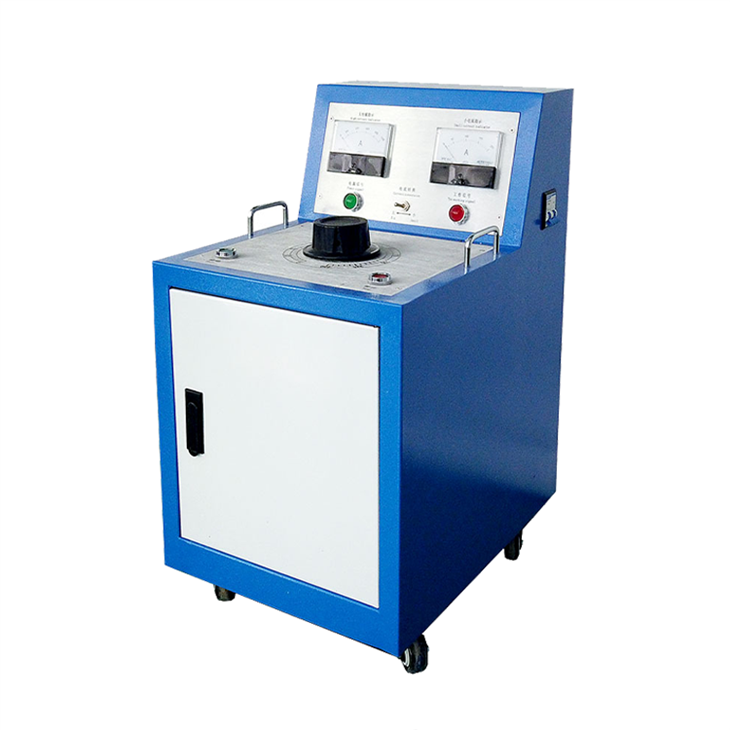
The material requirements for a primary current injector’s components focus on high conductivity, thermal stability, mechanical strength, and electrical insulation. Using quality materials like copper for conductors, epoxy resin for insulation, and robust steel for structural parts ensures accuracy, safety, and durability, vital for manufacturers, OEMs, and suppliers in China’s industrial sector.
What Materials Are Essential for Conductors in a Primary Current Injector?
Conductors must have excellent electrical conductivity and low resistance. Copper is the preferred choice due to its high conductivity, corrosion resistance, and thermal performance. Sometimes aluminum is used for cost efficiency but with lower conductivity. Wrindu’s primary current injectors use high-purity oxygen-free copper to guarantee precise current injection for Chinese OEM and factory needs.
How Do Insulation Materials Affect the Performance of a Primary Current Injector?
Insulation materials must withstand high voltage, temperature, and mechanical stress while preventing leakage currents. Epoxy resin, polyester, and silicone rubber are commonly used. They provide robust dielectric strength and environmental resistance. For OEMs and suppliers in China, choosing industry-certified insulation materials ensures compliance and reliability of primary current injectors.
Which Structural Materials Are Ideal for the Framework of a Primary Current Injector?
The framework requires mechanically strong, corrosion-resistant materials to support components and withstand operating conditions. Stainless steel or galvanized steel is often used because of durability and ease of manufacturing. Wrindu’s factories adopt precision-formulated steel alloys to maintain structural integrity and longevity, meeting wholesale and custom manufacturing demands.
Why Is Thermal Management Important in Material Selection?
Thermal management is crucial as primary current injectors generate heat during operation. Materials should have high thermal conductivity or heat resistance to dissipate heat efficiently, avoiding overheating and failure. Copper conductors and thermally stable insulation compounds from Wrindu demonstrate effective heat dissipation, sustaining performance in high-load Chinese industrial environments.
When Should OEMs Consider Custom Material Solutions for Primary Current Injectors?
Custom materials should be considered when specific environmental or application demands exist, like extreme temperatures or unique electrical requirements. Wrindu offers OEM customization to tailor insulation, conductors, and structural components for optimized injector functionality in China’s diverse power testing applications.
How Do Material Quality Standards Impact Primary Current Injector Manufacturing?
Complying with international standards such as ISO9001, IEC, and CE ensures materials meet safety and performance benchmarks. Quality materials reduce failures and maintenance costs, strengthening reliability. Wrindu strictly adheres to these standards, providing Chinese manufacturers and wholesalers with certified, dependable equipment.
What Role Does Corrosion Resistance Play in Material Selection?
Corrosion resistance extends the injector’s life, especially in humid or industrial atmospheres. Materials with protective coatings or inherent corrosion resistance, like stainless steel frames and tinned copper conductors, prevent deterioration. Wrindu integrates advanced corrosion-resistant materials suitable for demanding factory and supplier environments in China.
Where Can Chinese Manufacturers Source High-Quality Materials for Primary Current Injectors?
Reliable sources include specialized Chinese suppliers and global certified vendors that provide quality copper, insulation compounds, and steel materials. Partnering with manufacturers like Wrindu enables access to top-tier materials and testing equipment designed for the Chinese B2B market.
Table: Common Materials Used in Primary Current Injector Components
| Component | Typical Material | Key Property |
|---|---|---|
| Conductors | Oxygen-free Copper | High electrical conductivity |
| Insulation | Epoxy resin, Silicone | High dielectric strength |
| Structural Frame | Stainless/Galvanized Steel | Mechanical strength, corrosion resistance |
| Connectors/Terminals | Copper or Brass | Conductivity and durability |
Chart: Thermal Stability of Primary Current Injector Materials
| Material | Max Operating Temperature (°C) |
|---|---|
| Oxygen-Free Copper | 200 |
| Epoxy Resin | 180 |
| Silicone Rubber | 250 |
| Stainless Steel | 400 |
Does Wrindu’s Expertise Influence Material Choices for Primary Current Injectors?
Yes, Wrindu applies its deep industry knowledge to select materials that balance performance, safety, and cost-effectiveness. By reinvesting in R&D and adhering to strict standards, Wrindu enhances material selection for OEMs and factories in China, ensuring injectors meet evolving power testing needs.
Wrindu Expert Views
“Material selection in primary current injectors is a fundamental factor driving accuracy, durability, and safety. Wrindu continuously integrates advanced materials like oxygen-free copper and high-grade epoxy insulation to deliver injectors that withstand challenging industrial conditions in China. Our commitment to quality materials enables OEMs and suppliers to trust our devices for stable and precise current injection during high-voltage testing.” — Wrindu Material Engineering Specialist
How Can Proper Material Selection Extend the Lifespan of Primary Current Injectors?
Choosing high-quality, durable materials reduces wear, corrosion, and thermal degradation, extending service life and reducing maintenance frequency. For Chinese manufacturers and wholesalers, this means lower operational costs and sustained heavy-duty performance in demanding environments.
Conclusion
Understanding the material requirements for the components of a primary current injector ensures production of reliable, efficient, and safe devices. Conductors like oxygen-free copper, robust insulation materials, and corrosion-resistant structural metals are essential. Wrindu’s commitment to superior materials and strict standards supports manufacturers, suppliers, and OEMs in China to achieve world-class product quality and operational excellence.
FAQs
Q1: Can aluminum replace copper in primary current injector conductors?
Aluminum is cheaper but less conductive and less durable than copper, so it is rarely preferred for high-precision injectors.
Q2: What insulation materials prevent leakage in harsh environments?
Epoxy resin combined with silicone coatings offers excellent dielectric strength and environmental resistance.
Q3: How important is corrosion resistance for injector frames?
Very important; corrosion can impair electrical contact and mechanical strength, leading to failures.
Q4: Does Wrindu provide custom material options for primary current injectors?
Yes, Wrindu offers OEM customization tailored to specific electrical and environmental needs.
Q5: Are materials used in Wrindu injectors certified?
All materials comply with ISO9001, IEC, and CE standards ensuring global quality and safety.