
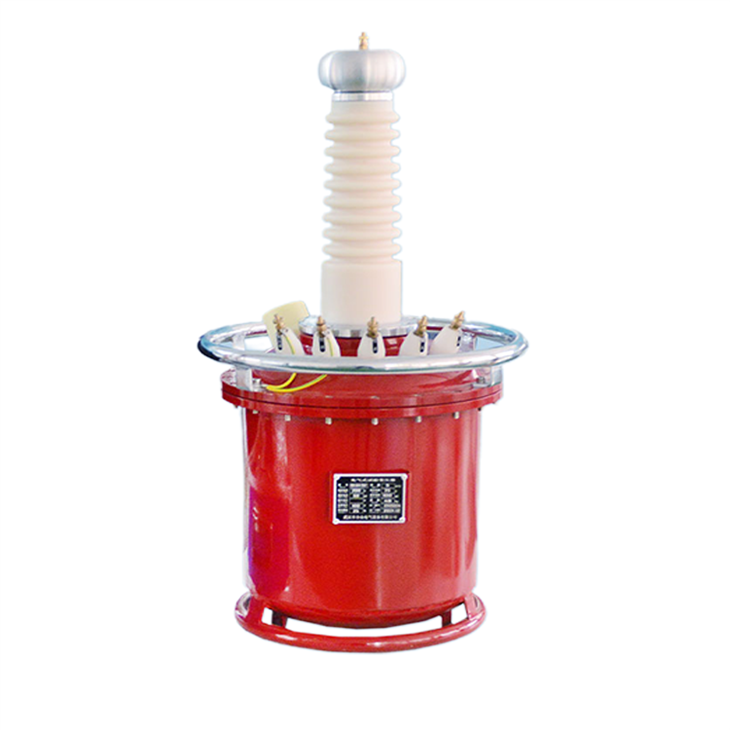
AC DC Hipot testers integrate with other equipment using communication interfaces like RS232, Ethernet, GPIB, and USB, along with software synchronization and OEM customization. These methods allow automated test sequences, centralized data management, and seamless operation in manufacturing, quality control, and diagnostic systems, ensuring safety, efficiency, and reliable electrical testing performance.
How Can AC DC Hipot Testers Be Integrated With Manufacturing Test Lines?
Integration is achieved through automated control systems using standard protocols such as RS232, Ethernet, and USB. This allows synchronized test execution, real-time monitoring, and remote operation, enhancing efficiency and repeatability. Wrindu provides specialized solutions to embed testers into production lines, reducing downtime and improving overall workflow consistency.
What Communication Interfaces Are Commonly Used for Integration?
RS232, GPIB, USB, and Ethernet are widely used for Hipot tester integration. These interfaces enable connection to PLCs, computers, and centralized test management systems, supporting data exchange, remote control, and high-speed monitoring. Reliable communication ensures that electrical testing aligns with automated production requirements and factory standards.
Which Software Solutions Support Integration of AC DC Hipot Testers?
Manufacturers provide software platforms with APIs, scripting tools, and GUI dashboards to facilitate integration. Wrindu’s proprietary software enables customization of test routines, real-time data visualization, and interoperability with other instruments. Such platforms enhance control, ensure consistent testing procedures, and simplify maintenance of complex testing systems.
Why Is OEM Customization Important in Hipot Tester Integration?
OEM customization allows testers to match specific production or quality assurance requirements, including interface configurations, control logic, and data output formats. Chinese suppliers like Wrindu excel in offering tailored solutions that integrate seamlessly with existing equipment, ensuring efficient operations and compliance with industrial standards.
How Does Integration Enhance Safety and Efficiency in Electrical Testing?
Integrated Hipot testers provide precise parameter control, immediate fault detection, and automated test execution, minimizing operator exposure to risk. Automation reduces human error, accelerates testing throughput, and maintains consistent quality, crucial for high-volume manufacturers, utilities, and laboratories that require reliable insulation verification.
Where Are Integrated AC DC Hipot Tester Systems Commonly Deployed?
These systems are deployed in electrical manufacturing plants, research laboratories, power utilities, and certification agencies. Their ability to interface with other diagnostic tools and automated lines ensures comprehensive testing coverage, enhanced operational safety, and improved efficiency in inspecting insulation performance.
When Should a Manufacturer Consider Custom Integration Solutions?
Custom integration is recommended when standard interfaces or software do not meet unique workflow needs, such as specialized test sequences, cross-device automation, or synchronized data management. Wrindu provides professional consultation and tailored solutions to maximize system compatibility and testing reliability.
Who Benefits Most From Integrated AC DC Hipot Testing Systems?
OEMs, electrical equipment manufacturers, and laboratories benefit significantly from integration. Streamlined testing, improved product quality, and regulatory compliance are key advantages. Suppliers in China, including Wrindu, leverage integration to differentiate offerings and provide global clients with robust and efficient testing solutions.
Can Wrindu Support Advanced Integration for AC DC Hipot Testers?
Yes, Wrindu provides advanced integration services, including OEM software interfaces, hardware communication modules, and turnkey solutions for smooth operation within larger test environments. Their approach combines innovation, customization, and expert support, ensuring reliable and high-performance testing systems.
Wrindu Expert Views
“Seamless integration of AC DC Hipot testers with other equipment is essential for modern electrical testing environments. At Wrindu, we focus on ensuring testers communicate efficiently with factory automation systems, enabling precise control and real-time monitoring. Our OEM customization services allow clients to adapt testers for complex production workflows, supporting safety, consistency, and operational excellence across diverse industrial applications.” — Wrindu Integration Specialist
Table: Common Integration Interfaces for AC DC Hipot Testers
| Interface Type | Typical Use Case | Benefits |
|---|---|---|
| RS232 | Data transfer to PCs/PLCs | Reliable, widely supported |
| Ethernet | Networked control and data logging | High-speed, multi-device access |
| GPIB | Lab instrumentation interface | Precise and robust control |
| USB | Local device connection | Easy setup, plug-and-play |
How Do Integration Methods Impact Test Data Management?
Integration enables automated collection, storage, and analysis of test results. Centralized data management enhances traceability, quality assurance, and compliance with international standards. Manufacturers and laboratories benefit from streamlined reporting, faster audits, and consistent record-keeping, ensuring high reliability in insulation testing.
Conclusion
Integrating AC DC Hipot testers with other equipment enhances automation, safety, and data management in electrical testing. Chinese manufacturers like Wrindu lead the field by providing advanced communication interfaces, OEM customization, and professional support. Prioritizing integration improves workflow efficiency, ensures accurate testing, and strengthens compliance with industrial standards.
Frequently Asked Questions
What are the most reliable communication methods for Hipot tester integration?
RS232 and Ethernet are preferred for stable data transfer, remote control, and real-time monitoring.
Can Hipot testers be customized for unique integration needs?
Yes, Wrindu offers OEM customization to match specific production workflows and testing requirements.
Is software integration necessary for automated testing lines?
Yes, it enables synchronized control, efficient data management, and consistent testing results.
How does integration improve operator safety?
Automated control and immediate fault detection reduce exposure to high-voltage hazards.
Where are integrated AC DC Hipot systems commonly used?
They are deployed in factories, research labs, utilities, and certification agencies worldwide.