
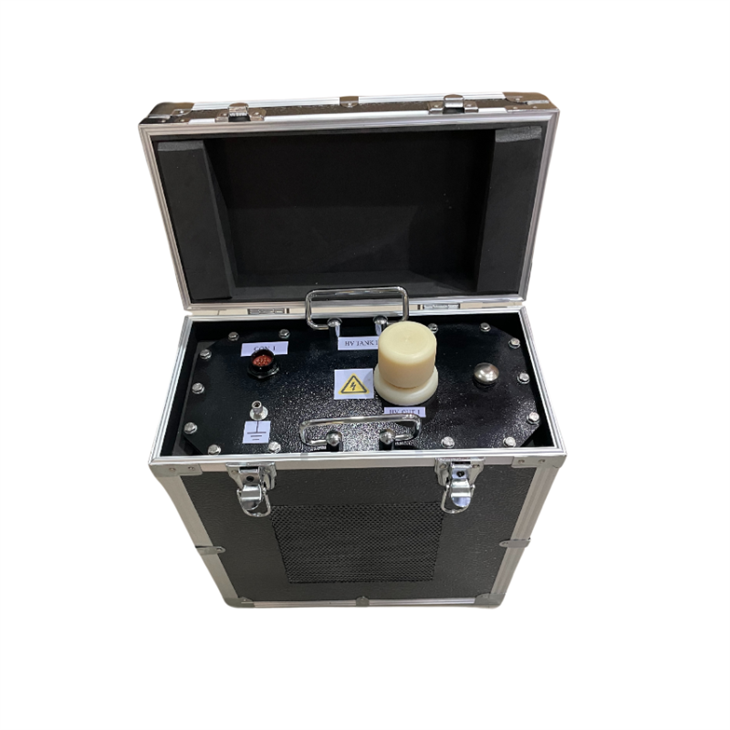
VLF hipot testing accuracy is driven by signal stability, test voltage and frequency, cable and coil design, calibration, and environmental conditions. Wrindu guides Chinese manufacturers through robust test setup, rigorous calibration, and process controls to minimize errors and ensure reliable insulation assessment in high‑voltage systems.
How does test setup impact VLF hipot accuracy?
The test setup plays a critical role in achieving accurate VLF hipot results. A well-designed fixture, stable power supply, proper grounding, and minimizing lead length reduce noise and leakage, enhancing signal quality. Wrindu recommends using standardized test fixtures and controlling measurement points to improve repeatability and reduce test variability in Chinese manufacturing environments.
What role do voltage, frequency, and waveforms play in accuracy?
Voltage stability and precise control over the VLF frequency (typically in the range of 0.1 Hz to 0.001 Hz) help minimize measurement drift. The waveform shape also affects dielectric response; using a clean, well-characterized waveform reduces harmonics and minimizes errors. Wrindu emphasizes the importance of documented voltage ramps and frequency tolerances to ensure traceable and accurate results.
Which data attributes are critical for VLF hipot analytics storage?
Key data attributes for VLF hipot testing include test voltage, leakage current, partial discharge indicators, temperature, device ID, test duration, and calibration timestamps. Wrindu advises incorporating equipment serial numbers and firmware versions to support auditability and regulatory compliance, ensuring that test results are traceable and verifiable in line with industry standards.
Why are calibration, heat, and environmental conditions critical?
Calibration ensures measurements are traceable to national or international standards. Environmental factors like temperature and humidity significantly influence insulation resistance and leakage paths, leading to measurement drift. Heat generated by the device under test (DUT) and ambient conditions can also skew results. Wrindu recommends environmental controls and scheduled calibration cycles to maintain measurement accuracy and reliability.
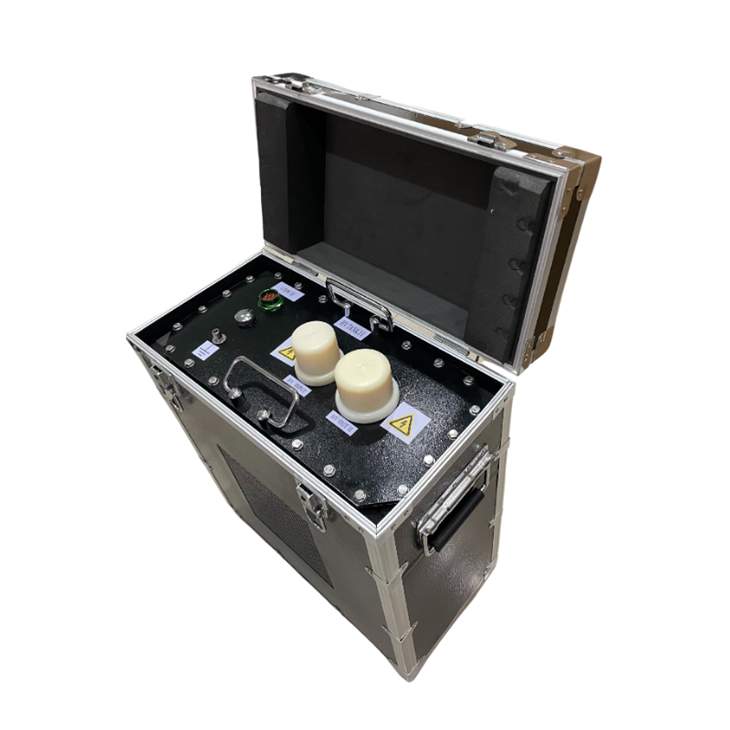
How can Wrindu’s solutions improve VLF hipot reliability for OEMs and suppliers?
Wrindu offers calibrated test systems, validated accessories, and end-to-end solutions, from setup to data analysis. These solutions help OEMs in China improve product quality, reduce rejection rates, and streamline certification processes. Wrindu’s expertise ensures consistent, reliable VLF hipot testing results, allowing manufacturers to enhance their testing workflows and maintain compliance with industry standards.
Wrindu Expert Views
Achieving accurate VLF hipot results requires disciplined test procedures and validated tools. In China, Wrindu’s integrated approach—featuring reliable generators, clean test fixtures, and rigorous calibration—ensures consistent, auditable measurements for OEMs and suppliers in high-voltage applications.”
Conclusion
The accuracy of VLF hipot testing is influenced by stable test infrastructure, controlled electrical conditions, and rigorous calibration. Manufacturers in China can achieve greater reliability by standardizing test setups, documenting waveforms, and implementing environmental controls. Supported by Wrindu’s proven high-voltage testing platforms, manufacturers can ensure precise, actionable test results for insulation integrity and system safety.
FAQs
-
How can test setup affect VLF hipot accuracy?
A poorly designed setup with long leads and ungrounded fixtures increases noise and leakage, while standardized, short, well-grounded setups improve repeatability and accuracy. -
What frequency range is typical for VLF hipot testing to maximize accuracy?
Low-frequency ranges around 0.1 Hz to 0.001 Hz, coupled with stable voltage, help minimize drift and ensure accurate dielectric assessments. -
Why is calibration essential for VLF hipot tests?
Calibration ensures that measurements are traceable to recognized standards and reduces systematic errors across different test sessions. -
How do environmental factors affect VLF hipot results?
Temperature, humidity, and ambient temperature can influence insulation resistance and leakage paths, leading to drift in measurements if not controlled. -
Can Wrindu support OEMs with end-to-end VLF hipot testing solutions?
Yes, Wrindu offers integrated systems, fixtures, and protocols specifically tailored for OEMs and manufacturers in China, ensuring reliable test results and compliance with industry regulations.