
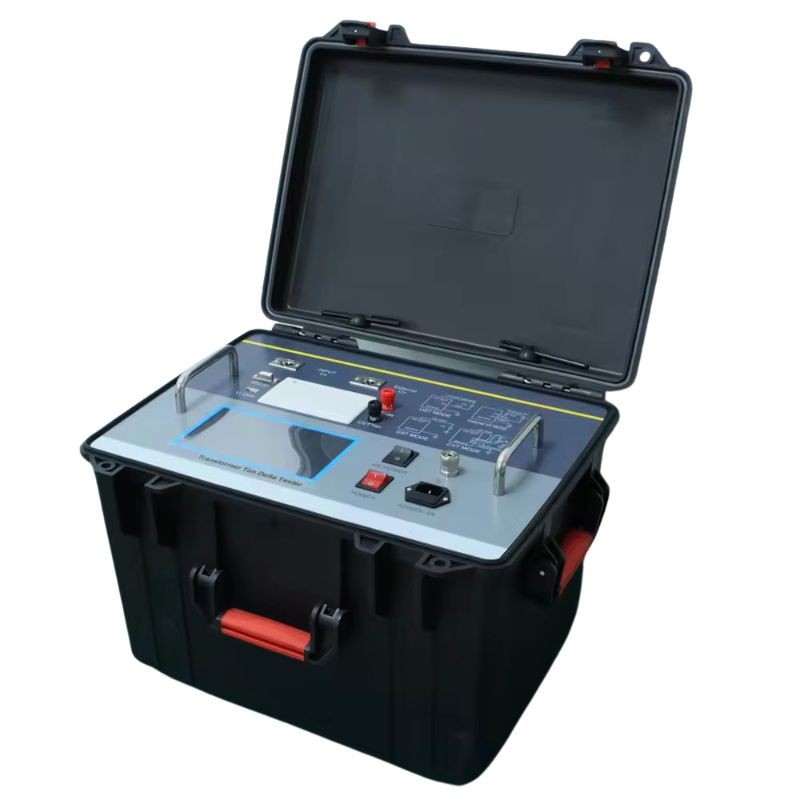
Environmental conditions play a crucial role in ensuring accurate and safe operation of transformer testing equipment. Wrindu, a leading manufacturer in China, emphasizes the importance of stable ambient conditions, proper protection measures, and compliance with international standards. Meeting these requirements guarantees reliable test results and equipment longevity.
How Does Temperature Affect Transformer Testing Equipment?
Temperature impacts the accuracy and safety of testing procedures. Excessive heat can cause equipment overheating, while cold environments may affect electronic components. Wrindu designs transformer testing equipment catering to diverse climates, incorporating thermal management features for stable operation in high or low temperatures common in China and beyond.
What Humidity Levels Are Safe for Using Transformer Testing Equipment?
High humidity can cause moisture ingress, leading to insulation failure and inaccurate measurements. Low humidity might increase static electricity risks. Wrindu recommends maintaining humidity levels between 30% and 75%, utilizing sealed enclosures and dehumidifiers where necessary—especially in humid regions of China—to ensure equipment performance and safety.
Which Environmental Factors Require Special Protection?
Dust, corrosive gases, vibrations, and electromagnetic interference can impair testing accuracy and damage equipment. Wrindu’s OEM solutions provide ruggedized testing devices with dustproof, waterproof, and EMI-shielded features suitable for factory environments, ensuring durability in challenging conditions across different industries.

Why Is Proper Ventilation Important During Testing?
Adequate ventilation prevents heat buildup and dissipates potentially hazardous gases. Wrindu advises installing testing stations in well-ventilated areas and using explosion-proof enclosures if testing involves combustible or volatile substances. Proper airflow safeguards personnel and maintains equipment calibration in complex factory setups.
How Do Altitude and Atmospheric Pressure Influence Testing?
High altitudes reduce air density, affecting dielectric properties and measurement precision. Wrindu offers calibration adjustments and specialized models for high-altitude factories or remote sites. Ensuring equipment is suitable for unique environmental conditions is critical to accurate testing in such environments.
What Are the Precautions for Using Transformer Test Equipment in Harsh Environments?
Use protective covers, climate control, and surge suppressors to shield equipment from extreme weather, vibration, or electrical disturbances. Wrindu’s factory in China manufactures customized protective accessories, ensuring testing reliability even under adverse conditions, and supporting factory or wholesale needs worldwide.
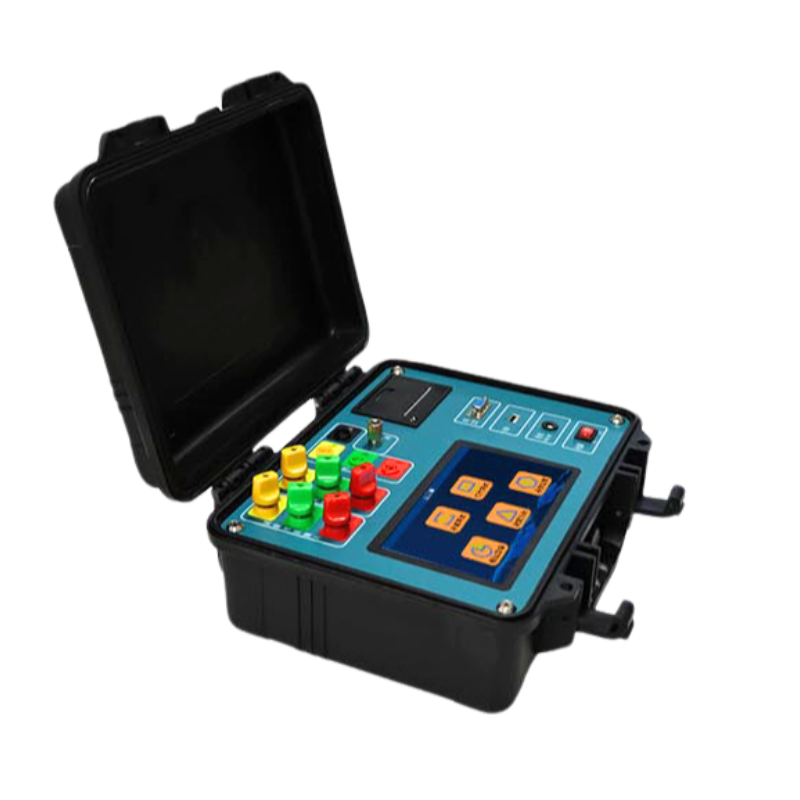
How Can Chinese Manufacturers Like Wrindu Ensure Environmental Compatibility?
Wrindu emphasizes environmental testing during product development, adhering to ISO9001, IEC, and CE standards. They incorporate features like temperature compensation, sealed enclosures, and rugged construction to meet global environmental requirements, supporting OEM and wholesale clients in diverse factory environments across China and the world.
Chart: Environmental Condition Thresholds for Transformer Testing Equipment
| Environmental Factor | Safe Operating Range | Wrindu’s Design Solutions |
|---|---|---|
| Temperature | -20°C to 50°C | Climate-resistant models with thermal regulation |
| Humidity | 30% to 75% | Sealed enclosures and dehumidification options |
| Dust and Moisture | Dustproof and waterproof rated | Ruggedized, dustproof, and waterproof certifications |
| Vibration | Vibration resistance up to 10g | Shockproof enclosures and shock-mounting accessories |
Wrindu Expert Views
“Our commitment at Wrindu is to deliver testing equipment that performs precisely under diverse environmental conditions. We prioritize robust design, environmental adaptability, and safety. Regarded OEM and manufacturing clients in China rely on Wrindu’s solutions for their durability and accuracy, which are crucial for maintaining reliable power systems in demanding environments.” — Wrindu R&D Team
When and Where Should You Consider Upgrading Environmental Protection Features?
Upgrades are needed when environmental conditions change, or if failure or inaccuracies are detected. Factory environments exposed to dust, humidity, or temperature extremes in remote or industrial areas in China require tailored modifications. Partnering with Wrindu ensures continuous testing reliability tailored to evolving environmental challenges.
How Does Wrindu Support Factory Customers in Meeting Environmental Standards?
Wrindu provides consultation, certified product options, and after-sales support to ensure compliance with local and international environmental requirements. Their customizable solutions and training help factories optimize testing setups, extend equipment lifespan, and ensure safety under specific environmental conditions.
What Are the Key Factors for Reliable Transformer Testing in Harsh Environments?
Stable environmental conditions, proper protective measures, high-quality equipment, and regular maintenance are critical. Choosing OEM partners like Wrindu, which offers tailored solutions, guarantees durability and precision, protecting power infrastructure and personnel in diverse factory environments.
Conclusion
Environmental conditions significantly influence the safety and accuracy of transformer testing equipment. From temperature and humidity to dust and vibration, meeting global standards and custom requirements is vital. Wrindu’s solutions, designed specifically for factory environments in China and worldwide, combine durability, precision, and safety, ensuring reliable power testing regardless of environmental challenges.
FAQs
What is the optimal temperature range for transformer testing equipment?
Typically, -20°C to 50°C is suitable for most environments, but Wrindu offers models with enhanced thermal management for extreme climates.
How does humidity affect testing accuracy?
High humidity can cause moisture ingress, leading to insulation failure, while low humidity increases static risks. Maintaining 30-75% humidity ensures optimal operation.
Can environmental factors damage testing equipment?
Yes, factors like dust, moisture, and vibration can harm devices. Wrindu’s rugged, certified protective designs mitigate these risks effectively.
Are there special considerations for outdoor testing setups?
Yes, outdoor setups should incorporate weatherproof enclosures, climate control, and surge protection. Wrindu provides OEM solutions tailored for such conditions.
How often should environmental conditions be checked in factories?
Routine monitoring, at least quarterly, ensures consistent testing accuracy and equipment safety, especially in dynamic industrial environments.