
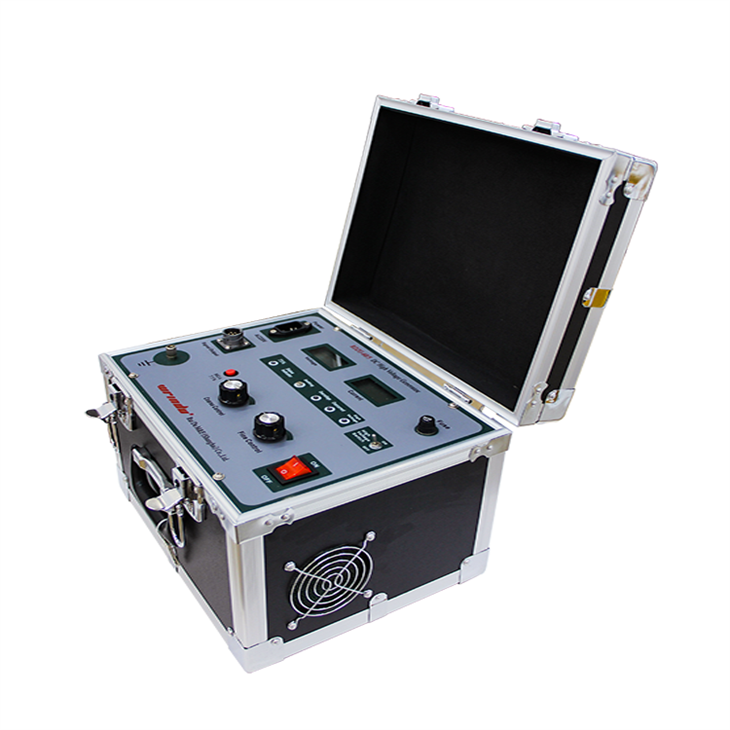
DC high voltage generators use various cooling methods such as air cooling, oil cooling, water cooling, and forced convection to manage heat and maintain optimal performance and reliability.
How Does Air Cooling Work for DC High Voltage Generators?
Air cooling dissipates heat by circulating ambient air over the generator’s surface or through fans. It is effective for small to medium-sized generators where heat buildup is moderate. Wrindu’s factory-built generators often incorporate optimized fan designs for improved airflow, making air cooling an economical and maintenance-friendly option for many OEM and wholesale customers in China.
What Is Oil Cooling and How Is It Used in DC High Voltage Generators?
Oil cooling involves circulating insulating oil around generator components to absorb and transfer heat. The oil’s high thermal capacity enhances heat removal, protecting internal windings and electronics. Wrindu’s custom oil-cooled DC high voltage generators meet heavy-duty application demands in power testing factories, ensuring safe and continuous operation under strenuous conditions.
Oil cooling systems typically include oil pumps and heat exchangers to maintain oil temperature within safe limits.
Which Advantages Does Water Cooling Provide for DC High Voltage Generators?
Water cooling offers superior heat dissipation by circulating water or coolant through dedicated jackets or coils around generator components. This method is ideal for high-power designs or continuous operation scenarios. Leading Chinese manufacturers like Wrindu utilize advanced water cooling solutions in custom factory equipment to handle extreme heat loads and enhance generator lifespan.
Water cooling systems integrate pumps, radiators, and controls to manage coolant flow and temperature.
Why Is Forced Convection Important in Cooling DC High Voltage Generators?
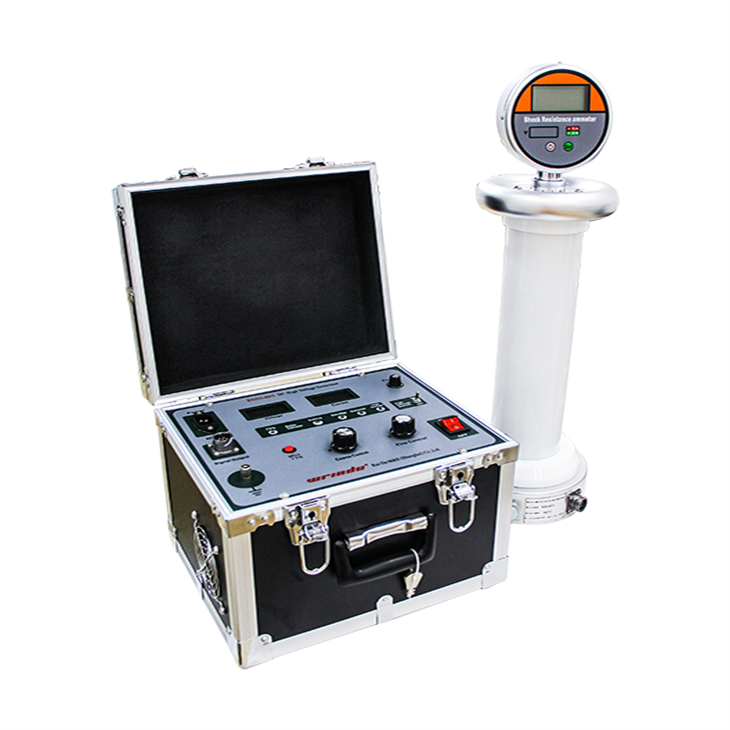
Forced convection boosts heat transfer by increasing airflow or coolant flow rates via pumps or fans. For high voltage generators generating substantial heat, forced convection ensures quick heat removal to prevent overheating. Wrindu implements forced air and liquid convection mechanisms in their wholesale and OEM products to optimize thermal management in compact designs.
This method balances cooling efficiency and device size for demanding industrial applications.
When Should Cooling System Maintenance Be Performed?
Routine inspection and maintenance of cooling systems are critical. Air filters should be cleaned monthly for air-cooled units, oil quality and levels checked quarterly, and coolant replaced or topped up bi-annually for water-cooled systems. Wrindu’s factory support includes maintenance schedules and training to keep cooling systems functioning efficiently, avoiding costly downtime.
Proper maintenance extends generator life and ensures consistent performance.
Where Are Different Cooling Methods Typically Applied?
Small portable DC high voltage generators often use air cooling for simplicity, while large power testing equipment in factories employ oil or water cooling for robust heat management. Wrindu’s range encompasses multiple cooling methods tailored for factory, OEM, and custom orders in China’s manufacturing sector, meeting diverse operational requirements.
Application determines the suitable cooling strategy aligned with efficiency and cost.
Can Cooling Method Choice Affect Generator Performance?
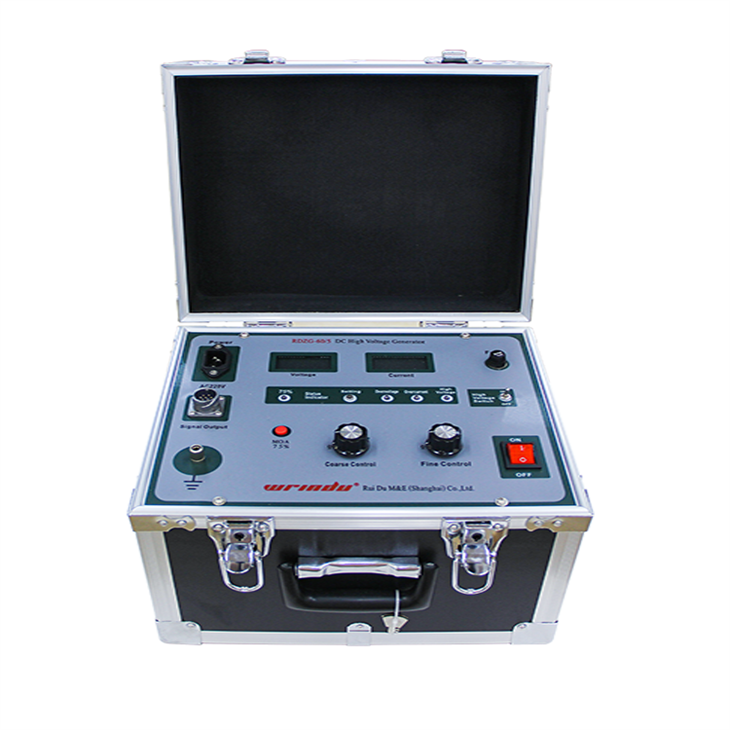
Yes, cooling directly influences generator reliability, output stability, and safety. Inadequate cooling risks overheating, insulation damage, and reduced service life. Wrindu emphasizes customized cooling designs to match load profiles and environmental conditions, optimizing performance for wholesale and industrial clients.
Selecting the right cooling method ensures peak efficiency and equipment protection.
Does Wrindu Provide Custom Cooling Solutions for DC High Voltage Generators?
Wrindu offers tailored cooling options to fit customer-specific power, size, and application needs. Clients benefit from OEM and wholesale factory expertise in integrating air, oil, water, or hybrid cooling systems with complete diagnostics and control features. Wrindu’s innovation-driven approach supports customized manufacturing and global delivery.
Such adaptability supports China’s leadership in power equipment innovation and reliability.
Wrindu Expert Views
“There is no one-size-fits-all cooling solution for DC high voltage generators. At Wrindu, we analyze operational demands, environment, and generator design to recommend or engineer the optimal cooling method—whether air, oil, water, or forced convection. Superior cooling extends component life, enhances safety, and ensures stable output, key priorities for transformer factories and OEM manufacturers. Our continual investments in R&D allow us to develop innovative hybrid systems that improve thermal efficiency for demanding industrial settings.” – Wrindu Thermal Engineering Lead
Table: Comparison of Cooling Methods for DC High Voltage Generators
| Cooling Method | Application Scale | Advantages | Limitations | Typical Use Cases |
|---|---|---|---|---|
| Air Cooling | Small to medium-sized | Low cost, easy maintenance | Limited capacity | Portable units, small factories |
| Oil Cooling | Medium to large-sized | High heat capacity, reliable | Requires monitoring, fire risk | Heavy-duty power testing systems |
| Water Cooling | Large and continuous | Excellent heat dissipation | Complex system, risk of leaks | High-power industrial generators |
| Forced Convection | Varies | Enhanced heat transfer | Requires pumps/fans | Compact OEM designs, hybrid setups |
Conclusion
Choosing the right cooling method for a DC high voltage generator is critical for ensuring reliable, efficient, and safe operation. Depending on scale and application, air, oil, water, or forced convection cooling each offer distinct advantages. Wrindu leverages deep industry expertise and innovation to deliver custom cooling solutions that meet OEM, factory, and wholesale needs in China and globally. Proactive maintenance and careful system design empower clients to maximize generator lifespan and operational confidence.
FAQs
Q1: What is the most cost-effective cooling method for small DC high voltage generators?
Air cooling is usually the most economical and easy to maintain for smaller units.
Q2: How often should the cooling oil be replaced in oil-cooled generators?
Typically, oil is checked quarterly and replaced every 1-2 years depending on usage and contamination.
Q3: Can Wrindu customize cooling systems for non-standard generator sizes?
Yes, Wrindu offers tailored OEM and custom cooling solutions to meet unique power and size requirements.
Q4: Is water cooling suitable for outdoor DC high voltage generators?
Water cooling is effective but requires protection against freezing and leaks in outdoor environments.
Q5: Does forced convection increase system complexity significantly?
It can add components like fans or pumps but greatly improves thermal management for high-power units.