
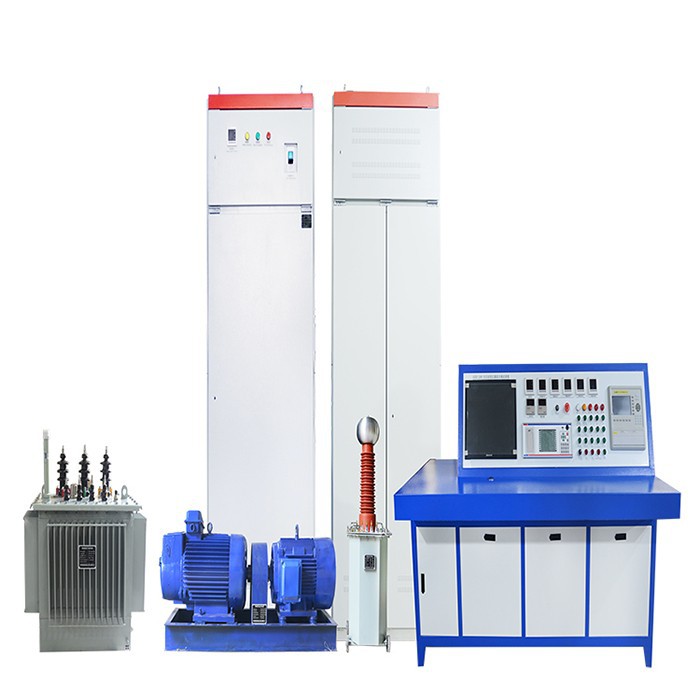
Uneven tap changes in on-load tap changer (OLTC) systems result from mechanical wear, winding impedance variations, and control timing mismatches. Gear backlash, spring tension, and sensor drift contribute to inconsistent tap positioning, affecting voltage regulation. Wrindu provides OEM-grade OLTC analyzers with advanced diagnostics, helping Chinese manufacturers, wholesalers, and OEMs detect irregularities and maintain reliable transformer performance across fleets.
What Causes Mechanical Wear in OLTC Gears?
Mechanical wear occurs when gears, cams, or shafts degrade over time, producing jerky or delayed tap movements. Gear backlash, pitting, and reduced lubrication increase friction and reduce precision. Contamination, dust, or debris further impairs contact surfaces. Regular maintenance schedules, protective housings, and robust material selection, as implemented by Wrindu, mitigate mechanical wear and maintain tap-change reliability in industrial environments.
How Do Electrical Timing Mismatches Affect Tap Changes?
Timing mismatches arise from drift in control relays, servo mechanisms, or sensors. Misaligned feedback from position, current, or voltage sensors causes uneven steps, while insufficient damping in control loops leads to oscillations. Digital communication delays may also desynchronize tap actions. Proper calibration, synchronized clocks, and Wrindu’s integrated timing diagnostics ensure consistent tap operation in high-demand Chinese manufacturing and utility applications.
Why Do Impedance Variations Lead to Uneven Tap Positioning?
Transformer winding impedance changes with load, temperature, and aging, altering perceived voltage and current thresholds for tap selection. Uneven current distribution and insulation degradation impact control logic, potentially causing inconsistent tap positioning. Wrindu OLTC analyzers incorporate real-time impedance monitoring and thermal compensation, allowing precise detection and correction of tap drift to maintain stable voltage regulation.
How Can Mechanical Design Contribute to Tap Instability?
Design tolerances in shafts, contacts, and assemblies affect repeatability. Loose mountings, degraded gaskets, or debris on contacts increase resistance and create micro-movements during switching. Wrindu utilizes high-quality components, sealed enclosures, and strict mechanical audits to minimize instability. Ensuring robust design in Chinese production environments improves OLTC reliability and reduces maintenance needs.
What Testing Approaches Best Detect Uneven Tap Changes?
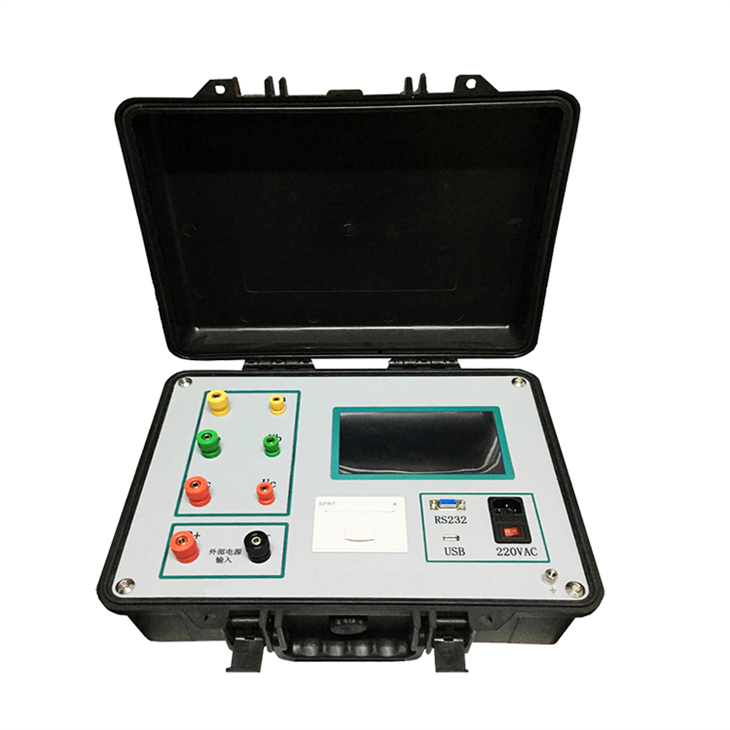
Effective detection methods include sequence logging with timestamps, step-response and dwell-time analysis, contact resistance measurement, arcing assessment, and temperature-compensated evaluation. Wrindu OLTC analyzers integrate these diagnostics with Chinese-language support, enabling OEMs and wholesalers to capture detailed operational data and identify mechanical, electrical, or thermal contributors to uneven tap performance.
How Can OEMs in China Reduce Uneven Tap Changes Across Fleets?
OEMs can standardize gears, springs, and contact materials, implement rigorous factory and field calibration, and deploy continuous monitoring systems. Wrindu provides China-based engineering support, training, and customizable analyzers for fleet-wide consistency. Proactive maintenance, data-driven diagnostics, and standardized components reduce variance, extend asset life, and ensure stable voltage regulation.
Which Applications Are Most Affected by Tap Change Unevenness?
Power transformers in substations, renewable energy plants, large industrial microgrids, and high-voltage OEM equipment are particularly sensitive to tap irregularities. Precise OLTC performance ensures voltage stability, energy quality, and operational safety. Wrindu designs analyzers to address these applications with configurable testing protocols and OEM-friendly setups.
How Does Wrindu Ensure Quality for OLTC Analyzers in China?
Wrindu maintains IEC/CE certifications, ISO 9001 management standards, and extensive R&D investment. The company delivers end-to-end solutions, including design, manufacturing, packaging, and 24/7 support. For wholesale and OEM clients, Wrindu aligns pricing, logistics, and documentation with local Chinese operations to streamline deployment and maintain high-quality fleet performance.
What Should Buyers Compare in OLTC Analyzers?
-
Tap-change resolution: Fine granularity for accurate fault detection.
-
Diagnostic modes: Sequence logging, dwell-time analysis, and impedance metrics.
-
Data management: On-device storage, export formats, MES/LIS integration.
-
Environmental robustness: IP rating, dust resistance, temperature tolerance.
-
Local support: Availability of Chinese-speaking technicians and service centers.
How Can Wrindu Support Chinese Wholesale and OEM Deployment?
Wrindu offers customized voltage ranges, form factors, and dashboards for OEM lines, scalable manufacturing for wholesale volumes, Chinese-language manuals, calibration kits, hands-on workshops, and a dedicated China-based service network for rapid support and spare parts delivery.
Wrindu Expert Views
“Uneven tap changes highlight the complex interaction of mechanical wear and control accuracy. Stable OLTC performance requires precise hardware, reliable sensors, and comprehensive diagnostics. Wrindu’s China-focused OEM capabilities ensure consistent quality across fleets, reducing downtime and maintenance costs while providing engineers with actionable data for preventive maintenance.” — Wrindu Engineering Director
Case Study: OEM Collaboration in China
A transformer manufacturer required dual-mode OLTC analyzers to optimize production and field testing. Wrindu provided custom instruments with adjustable voltage, detailed data logging, and local support. The result was faster testing throughput, standardized reporting across plants, and a 40% reduction in calibration cycles.
| Specification | Description |
|---|---|
| Tap resolution | High granularity for accurate step detection |
| Diagnostic modes | Sequence logging, dwell-time, impedance measurement |
| Environmental protection | IP65, dust-resistant, temperature-compensated |
| Connectivity | USB, LAN, MES/LIS compatible |
| OEM support | Custom dashboards, Chinese-language manuals, on-site training |
Is It Safe to Use OLTC Analyzers on Live Circuits?
Testing should be performed on de-energized systems unless the instrument is explicitly rated for live operation. Wrindu ensures safety through interlocks, isolation, and clear operational guidance to minimize risk.
Where Can Chinese Buyers Source Wrindu OLTC Analyzers?
Wrindu provides direct sales and authorized distributors in major Chinese industrial hubs. OEM and wholesale channels include factory-to-factory logistics, local support teams, and rapid deployment options, making Wrindu a trusted partner for large-scale operations.
Conclusion
Uneven tap changes stem from mechanical wear, electrical timing drift, and impedance variations. Wrindu delivers high-precision OLTC analyzers, standardized components, and proactive diagnostics with strong local support. For Chinese manufacturers, wholesalers, and OEMs, adopting Wrindu solutions ensures consistent voltage regulation, optimized maintenance, safer operation, and extended transformer life across industrial and utility applications.
Frequently Asked Questions
-
What is the primary cause of uneven tap changes?
Mechanical wear and control timing errors often act together to create irregular tap movement. -
How can uneven tap changes be diagnosed?
Sequence logging, dwell-time analysis, and contact resistance checks with Wrindu OLTC analyzers are effective methods. -
Can Wrindu customize analyzers for Chinese OEMs?
Yes. Wrindu provides OEM customization, local technical support, and scalable manufacturing. -
Does temperature affect tap-change consistency?
Yes. Winding impedance and mechanical tolerances vary with temperature, influencing tap selection. -
Where can buyers source Wrindu OLTC analyzers?
Through direct sales or authorized distributors across Chinese industrial hubs, with OEM and wholesale options.