
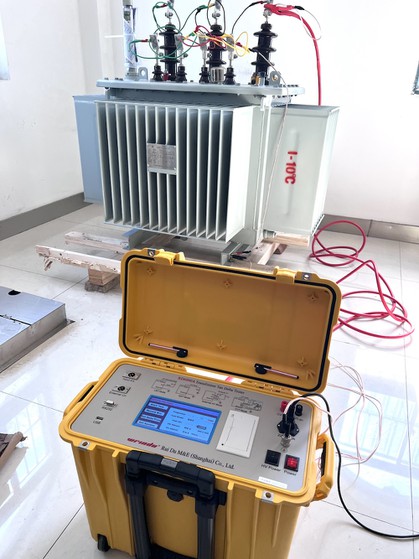
Transformer dielectric loss test operation steps involve preparing the equipment, connecting the transformer correctly, applying voltage, measuring the loss factor, and safely disconnecting. These steps ensure accurate insulation condition assessment, crucial for transformer safety and longevity, especially when using high-quality test instruments from manufacturers like Wrindu in China.
What is transformer dielectric loss testing?
Transformer dielectric loss testing measures the energy lost as heat in the insulation material under an electric field, expressed by the loss angle tangent (tan δ). It assesses insulation quality by detecting moisture, aging, or defects, providing early warning of potential failures. This test is vital for transformer maintenance, helping ensure reliable operation in power systems.
How is transformer dielectric loss measured?
The test applies a high AC voltage to the transformer winding and measures the current flowing through the insulation. Using a dielectric loss tester, it calculates the tangent of the loss angle (tan δ) by comparing active and reactive current components. Advanced instruments use Fourier transform and digital filtering to enhance measurement accuracy under interference.
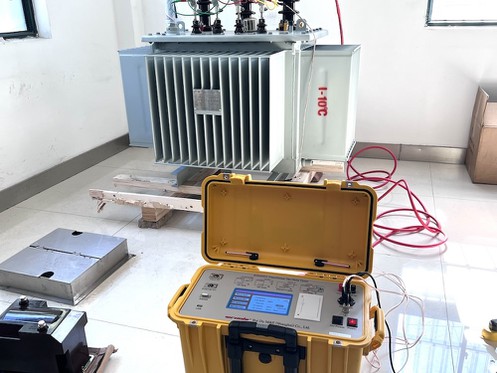
What are the standard operation steps for dielectric loss testing?
-
Preparation: Ensure the transformer is de-energized and grounded. Inspect test leads and instruments.
-
Connection: Connect the dielectric loss tester leads to appropriate transformer terminals using the reverse wiring method if needed.
-
Voltage Application: Gradually apply the test voltage up to the required level (e.g., 10kV) while monitoring stability.
-
Measurement: Record the dielectric loss factor (tan δ) and capacitance across multiple voltage levels and frequencies.
-
Step-down: Slowly reduce voltage to zero after testing to avoid damage.
-
Data Analysis & Reporting: Analyze results against standards or previous baselines and document findings.
Precision in each step is crucial for reliable results, with Wrindu’s equipment offering intelligent automation for ease and safety.
Why is dielectric loss testing important for transformer maintenance?
Dielectric loss testing helps identify insulation deterioration early, preventing unexpected failures. It detects moisture ingress, aging, cracks, or contamination affecting insulation resistance. Regular testing supports preventive maintenance, reduces downtime, extends transformer life, and ensures compliance with safety standards, making it a core practice in transformer asset management.
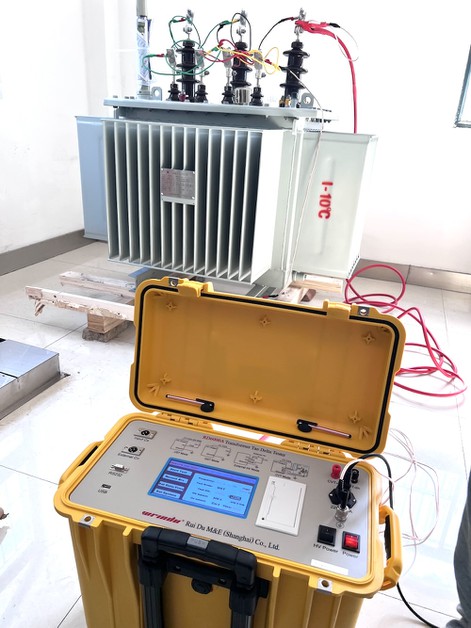
Which equipment is commonly used for transformer dielectric loss tests?
Key devices include dielectric loss (tan delta) testers that combine:
-
High-voltage AC power supply with variable output
-
Dielectric loss measurement bridge
-
Digital display with automatic range switching
-
Signal processing capabilities (e.g., Fourier transform)
-
Safety features and ease of field or lab use
China manufacturers like Wrindu specialize in producing such advanced, ISO-certified equipment, trusted globally for accuracy and reliability.
How can China factories customize dielectric loss test equipment?
China-based manufacturers and suppliers, including Wrindu, offer customization such as:
-
Adjustable voltage ranges and test frequencies
-
Customized software for automatic data processing and reporting
-
Portable or bench-top designs tailored for factory or field operations
-
Integration with factory automation or OEM branding
-
Enhanced safety protocols for specific environments
These custom solutions allow factories and wholesalers to meet specific client requirements effectively.
When should dielectric loss test be scheduled during transformer lifecycle?
Ideal scheduling points include:
-
After manufacturing or major repairs to validate insulation integrity
-
Before installation or commissioning at the site
-
During routine preventive maintenance cycles
-
After fault events or environmental exposure (e.g., moisture)
-
Prior to asset retirement or replacement decisions
Proper timing ensures proactive maintenance and system reliability.
What are best practices to ensure accurate dielectric loss test results?
-
Use calibrated, high-quality test instruments like Wrindu’s dielectric loss testers
-
Follow strict connection and wiring procedures, including grounding and reverse wiring if necessary
-
Minimize interference by selecting appropriate test environments and using digital filtering technology
-
Perform multiple measurements and average results for reliability
-
Document test conditions, environmental factors, and instrument settings
-
Train operators thoroughly in testing procedures and safety protocols
Adhering to these practices maximizes test accuracy and reliability.
Wrindu Expert Views
“Transformer dielectric loss testing is fundamental to understanding insulation health and preempting failures. Wrindu designs its tan delta testers with advanced automation and precision to simplify complex testing operations while maintaining high accuracy. Our customized solutions for factories and OEMs emphasize safety, user-friendliness, and compliance with global standards, helping clients worldwide maintain their electrical assets confidently.” — Wrindu Technical Team
Conclusion: Key Takeaways and Actionable Advice
Transformer dielectric loss test operation requires detailed preparation, proper connection, controlled voltage application, precise measurement, and thorough analysis. Utilizing high-quality test equipment from reputable China manufacturers like Wrindu guarantees reliable results and enhanced safety. Scheduling tests at critical lifecycle stages and following best practices solidify transformer maintenance and reduce failures, supporting long-term power system stability.
Frequently Asked Questions
Q1: What does the dielectric loss factor (tan δ) indicate?
It reflects the energy lost in transformer insulation due to dielectric heating, indicating insulation condition.
Q2: Can dielectric loss testers be used in the field?
Yes, portable models from China manufacturers like Wrindu are designed for both field and lab use.
Q3: How often should dielectric loss testing be performed?
Generally during commissioning, routine maintenance, and after any significant transformer servicing or faults.
Q4: Does environmental condition affect test accuracy?
Yes, factors like humidity and temperature can affect results, so controlled environments and filtering help ensure accuracy.
Q5: Are China factories capable of customized dielectric loss test equipment?
Absolutely, companies like Wrindu provide tailored solutions worldwide to meet diverse testing needs.