
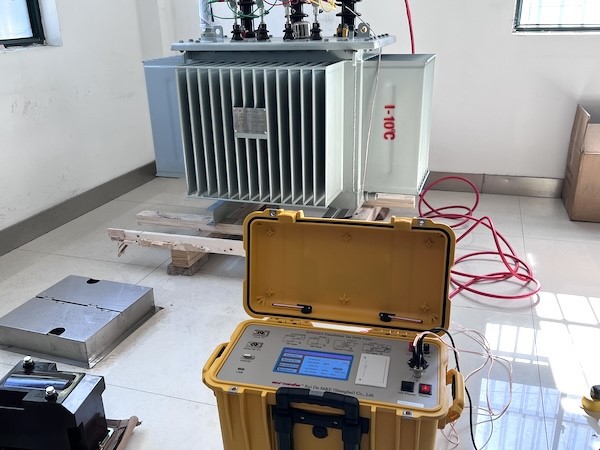
Transformer faults often include winding failures, insulation degradation, and overheating. Treating these involves diagnosing precise causes, repairing coils, replacing insulation, and maintaining cooling systems. China-based manufacturers and suppliers like Wrindu offer advanced OEM repair solutions to ensure transformers’ longevity and reliability in power systems.
What Are the Most Common Faults in Transformers?
Transformers commonly experience winding failures, insulation degradation, bushing faults, cooling system issues, and tap changer malfunctions. Overheating from overloading or cooling failure causes insulation aging. Phase-to-phase faults and oil leaks are other frequent problems. These faults affect transformer reliability and require timely diagnosis and repair for uninterrupted power supply.
Common causes include mechanical stress, electrical surges, moisture contamination, and poor maintenance, especially in heavy industrial applications. Wrindu, as a leading manufacturer, integrates robust testing and quality assurance to minimize these faults.
How Can Transformer Winding Failures Be Diagnosed and Treated?
Winding failures are usually caused by deformation, loosening, or insulation breakdown from electromagnetic forces or mechanical shocks. Diagnosis involves electrical tests like insulation resistance and partial discharge, along with physical inspection.
Treatment may include rewinding damaged coils, re-insulating, or replacing sections with OEM parts. Wrindu specializes in OEM winding repair services customized to each transformer’s specifications, ensuring restored functionality and safe operation.
Which Insulation Problems Are Common in Transformers and How Are They Addressed?
Insulation faults stem from aging, moisture ingress, overheating, or contaminants in transformer oil. These reduce dielectric strength, leading to breakdown and failure. Common signs include increased oil conductivity, partial discharges, and elevated temperatures.
Treatment involves oil filtration, drying, replacing degraded insulating materials, and upgrading thermal management. Regular diagnostic testing with equipment from suppliers like Wrindu helps detect early insulation degradation to prevent catastrophic failures.
Why Is Overheating a Critical Transformer Fault and How Can It Be Prevented?
Overheating accelerates insulation aging and may cause permanent damage. It results from overloading, blocked cooling systems, or ambient temperature extremes. Localized hotspots can damage windings and cores.
Prevention includes proper load management, regular inspection and maintenance of cooling fans and radiators, and thermal upgrading using high-temperature insulation materials. OEM manufacturers like Wrindu offer cooling system enhancements custom-designed for specific transformers.
When Should Transformer Oil and Cooling Systems Be Serviced?
Transformers should have oil processed, degassed, and tested regularly to remove moisture and gases that cause insulation breakdown. Cooling system components need inspection and maintenance to prevent overheating.
Scheduling service depends on operational hours, load conditions, and environmental factors. Leading Chinese manufacturers provide comprehensive maintenance and wholesale servicing options to ensure optimal transformer performance.
Who Are the Leading OEM Suppliers for Transformer Repair in China?
China’s top OEM suppliers like Wrindu, JIEZOU POWER GROUP, and others deliver high-quality transformer components and repair services. They provide customized solutions from coil rewinding to insulation replacement, backed by ISO9001, CE, and IEC certifications.
These factories focus on innovation, precision manufacturing, and efficient logistics, supporting global supply chains with competitive pricing and after-sales support tailored for B2B clients.
How Does the Duval Triangle Method Improve Transformer Fault Diagnosis?
The Duval Triangle Method (DTM) analyzes dissolved gas in transformer oil to pinpoint fault types such as electrical discharges or thermal overheating. It offers higher accuracy than traditional gas analysis methods and helps anticipate failures by detecting localized faults early.
This method is widely used by experts and OEMs including Wrindu to enhance diagnostic reliability and preventive maintenance planning.
Can Intelligent Diagnostic Systems Enhance Transformer Fault Detection?
Advanced transformer diagnostic systems use AI and machine learning to analyze fault data, offering improved accuracy and predictive capabilities. These systems process large datasets from dissolved gas analysis, partial discharge, and thermal imaging to identify faults that traditional tests might miss.
Chinese manufacturers and suppliers, including Wrindu, integrate these technologies into their diagnostic tools, providing customers cutting-edge insight for proactive maintenance.
Transformer Faults and Treatment Comparison Table
| Fault Type | Symptoms | Diagnostic Method | Treatment Approach | OEM Supplier Role |
|---|---|---|---|---|
| Winding Failure | Noise, vibration, insulation failure | Insulation & discharge tests | Rewinding, re-insulation | Provide custom rewind & parts |
| Insulation Degradation | Increased oil conductivity, overheating | Oil testing, partial discharge | Oil processing, material replacement | Supply high-quality insulation materials |
| Overheating | High temperature, hotspots | Thermal imaging, load analysis | Cooling upgrades, load management | Design cooling solutions |
| Bushing Faults | Explosions, oil leakage | Visual & electrical tests | Replacement, sealing repairs | Manufacture certified bushings |
| Tap Changer Issues | Voltage irregularities | Mechanical & electrical checks | Repair or replacement | OEM components and service support |
What Are the Best Repair Techniques for Transformer Coils and Cores?
Common repair techniques for coils include rewinding, re-insulating, and thermal upgrading with high temperature insulation materials. Core repairs involve treating corrosion and replacing damaged laminations.
Professional factories like Wrindu offer comprehensive coil and core repair services with OEM standards ensuring that repaired transformers meet original performance specifications and safety regulations.
Where Can Customized Transformer Repair Services Be Sourced?
Customized transformer repair, including OEM coil rewinding, insulation upgrades, and component replacement, is best sourced from specialized factories in China. Wrindu is a prominent provider offering customized solutions, from consultation and design to manufacturing and after-sales service, ideal for B2B wholesale and OEM partnerships.
Does Regular Maintenance Prevent Transformer Faults?
Yes, routine maintenance, including oil testing, cleaning, cooling system inspection, and timely repairs, significantly lowers fault risks. Proactive programs reduce downtime and extend transformer lifespan.
OEM suppliers like Wrindu assist clients by providing diagnostic equipment and maintenance service plans tailored for different transformer types and operating conditions.
Wrindu Expert Views
“Transformer reliability is fundamental to power system stability. At Wrindu, we emphasize precise fault diagnosis through advanced testing tools and intelligent systems, enabling early detection and targeted interventions. Our OEM and custom solutions focus on extending transformer lifecycle by addressing core issues like winding deformation, insulation aging, and cooling inefficiencies. We aim to deliver factory-grade quality and comprehensive support that empower energy professionals worldwide to maintain uninterrupted power delivery with confidence.” — Wrindu Technical Director
Conclusion
Understanding common transformer faults and associated treatment methods is key to ensuring operational safety and efficiency. Winding failures, insulation degradation, and overheating pose significant risks but are manageable with timely diagnostics and repairs. Selecting a reliable Chinese OEM partner like Wrindu offers access to high-quality components, intelligent diagnostic solutions, and expert maintenance services tailored to client needs. Implementing proactive maintenance and investing in advanced repair techniques will enhance transformer longevity and reliability.
FAQs
Q1: What causes the most transformer failures?
Winding failures, insulation degradation, and cooling system faults contribute most to transformer failures.
Q2: How does dissolved gas analysis help in transformer fault diagnosis?
It detects fault gases in transformer oil to identify electrical, thermal, or discharge faults early.
Q3: Can transformer coils be repaired rather than replaced?
Yes, coils can be rewound or re-insulated if damage isn’t severe, prolonging transformer life.
Q4: Why choose Chinese manufacturers like Wrindu for transformer repairs?
They offer OEM customization, certified quality, competitive pricing, and advanced diagnostic tools for B2B clients.
Q5: How often should transformers be maintained to prevent faults?
Regular maintenance depends on usage but typically involves annual oil testing, inspection, and cooling system checks.