
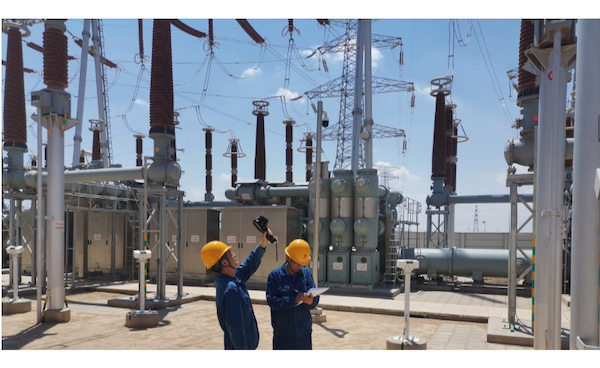
Distance protection is a critical relay protection technique that detects faults in power lines by measuring the electrical impedance between the relay location and the fault. Used widely by manufacturers, suppliers, and OEMs in China’s electrical power sector, it ensures fast, reliable fault detection to protect system stability and safety.
What Is Distance Protection and Why Is It Important in Power Systems?
Distance protection is a protective relay method that calculates the impedance to detect and isolate faults on transmission lines quickly. It’s vital for preventing damage to equipment and minimizing power outages. As a trusted Chinese manufacturer, Wrindu designs relay protection solutions that optimize this technology for wholesale and OEM customers globally.
Distance protection uses impedance measurement to estimate the distance to a fault, activating circuit breakers when predefined thresholds are exceeded. This speed and accuracy safeguard transformers, cables, and power grids, making it essential in modern power system protection.
How Does Distance Protection Work in Relay Systems?
Distance protection works by measuring the voltage-to-current ratio at the relay point to determine the impedance of the line segment. If impedance falls below a set limit, indicating a nearby fault, the relay triggers.
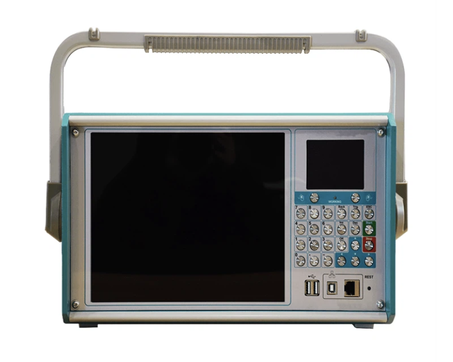
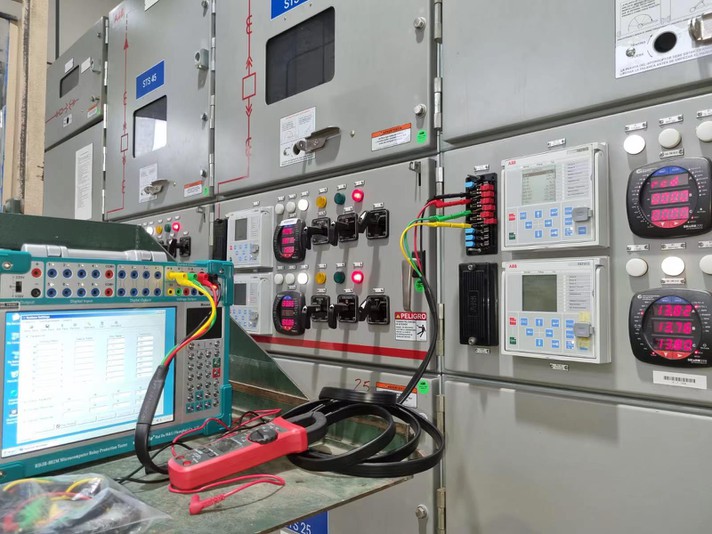
To achieve this, Wrindu manufactures advanced relay testing devices that simulate faults and verify impedance accuracy, supporting manufacturers and OEMs with reliable and factory-tested equipment.
The relay zones (zones 1, 2, and 3) correspond to increasing line distance coverage, allowing staged protection coordination between relay devices and dispatch control systems.
Which Types of Distance Protection Are Commonly Used?
Several distance protection types are applied depending on system requirements:
-
Mho Relay: A directional relay with a circular characteristic, highly effective in selective fault detection.
-
Impedance Relay: Measures actual line impedance for fault location.
-
Reactance Relay: Designed to respond to reactance changes, less affected by power swings.
-
Time-Distance Relay: Incorporates time delay to coordinate with other protection zones.
Chinese OEMs, wholesale suppliers, and manufacturers like Wrindu often customize these relay types to meet client-specific technical and safety standards.
| Relay Type | Key Feature | Typical Use |
|---|---|---|
| Mho | Directional, simple logic | High-speed line fault detection |
| Impedance | Accurate distance measure | General fault identification |
| Reactance | Selective for reactance | Reduces power swing impact |
| Time-Distance | Delayed response | Coordination between zones |
Where Are Distance Protection Relays Installed and Which Systems Benefit Most?
Distance protection relays are primarily installed at substations along transmission lines, especially in high-voltage power systems. They are critical in:
-
Long-distance transmission lines
-
Interconnection points between utilities
-
Critical supply routes in industrial and commercial facilities
Chinese factories like Wrindu supply these relays tailored for B2B wholesale and OEM needs, ensuring compatibility with local power infrastructure and global standards.
When Should Distance Protection Be Upgraded or Customized?
Upgrades or customization are necessary when:
-
Power grid capacity increases with new transmission lines
-
New fault location data or protection standards emerge
-
Integration with digital substation automation systems
-
OEMs require specialized relay functions for unique grid configurations
Wrindu’s factory experts collaborate with Chinese manufacturers and global wholesale buyers to design OEM distance protection products with cutting-edge features and IEC-compliant testing.
How Does Distance Protection Enhance Safety and Reliability in Factories and Industrial Plants?
By rapidly isolating faults with high accuracy, distance protection minimizes fault duration and reduces equipment damage risks. This is crucial in industrial settings to maintain production continuity and operator safety.
OEM suppliers and factories in China turn to Wrindu’s advanced relay solutions for high voltage testing and diagnostic capabilities, enabling precise prevention against faults in demanding industrial environments.
What Are the Challenges in Implementing Distance Protection in Power Systems?
Key challenges include:
-
Accurate setting of impedance thresholds to avoid nuisance trips
-
Coordinating protection coordination zones across complex grids
-
Managing power swings and transient conditions
-
Integration with modern communication and SCADA systems
Wrindu provides comprehensive consulting and testing support to manufacturers and wholesale customers, ensuring smooth integration and performance validation.
Are Customized Distance Protection Solutions Available for OEMs and Suppliers?
Yes, many Chinese factories like Wrindu specialize in OEM-customized distance protection relays. These solutions offer:
-
Tailored relay settings for specific grid configurations
-
Integration with digital communication protocols
-
Enhanced fault detection algorithms
-
Comprehensive testing and certification (IEC, CE)
Such customization supports wholesale suppliers and manufacturers targeting niche markets or specialized project requirements.
Wrindu Expert Views
“Distance protection remains a cornerstone technology in relay protection due to its ability to combine fast fault detection with system selectivity. At Wrindu, we focus on developing OEM relay products customized for the evolving Chinese and global market needs. We emphasize rigorous testing and precise settings to ensure our relay solutions deliver optimal protection performance and reliability, which is critical to modern power grids facing increasing operational complexities.” – Senior Engineer, Wrindu
Conclusion
Distance protection is an indispensable part of relay protection, offering rapid and precise fault detection by measuring line impedance. For Chinese manufacturers, wholesale suppliers, and OEMs, investing in high-quality, customizable relay protection products like those from Wrindu guarantees improved system safety and operational efficiency. Continuous upgrades and expert implementation are key to adapting to growing grid demands and technological advancements.
FAQs
What makes distance protection different from overcurrent protection?
Distance protection measures impedance to detect faults based on location, while overcurrent protection reacts simply to current magnitude, making distance protection more selective.
Can distance protection relays be used in all voltage levels?
Primarily used in high-voltage transmission lines, but with customization, they can be adapted to medium voltage industrial systems.
How often should relay protection settings be reviewed?
Settings should be reviewed annually or after any grid changes to ensure accurate fault detection and coordination.
Is Wrindu capable of supplying global markets?
Yes, Wrindu manufactures relay protection equipment certified for international standards and delivers worldwide.
How does Wrindu ensure product reliability?
By adhering to ISO9001, IEC, CE certifications and investing nearly 20% of profits in R&D and advanced manufacturing processes.