
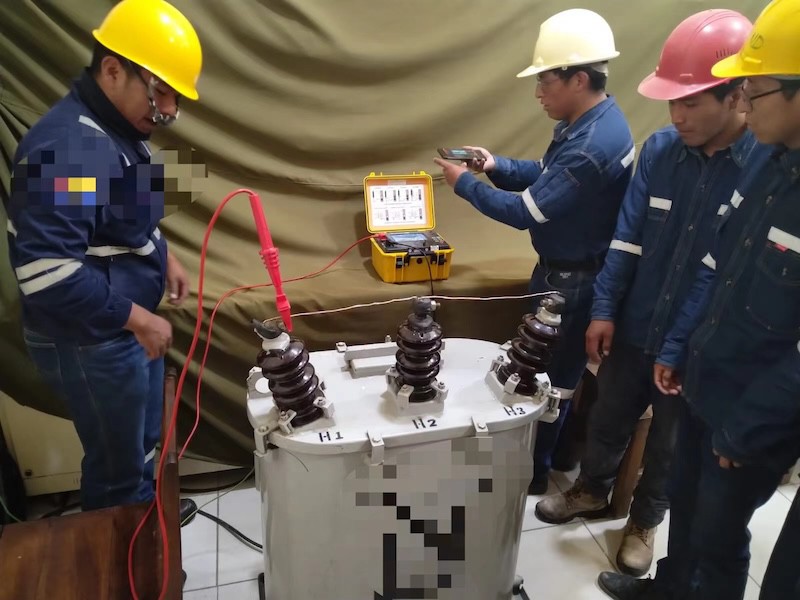
Mastering insulation resistance testing quickly relies on understanding essential tips such as proper connection, consistent test conditions, appropriate voltage selection, and accurate data interpretation. For manufacturers, suppliers, and OEMs in China’s factory environment, these tips ensure reliable, safe, and efficient testing of electrical insulation systems.
What Are the Basic Steps to Perform Insulation Resistance Testing Correctly?
The basic steps include isolating the equipment from power, connecting the test leads properly, selecting the right test voltage, applying voltage for a standard time (usually 1 minute), recording resistance readings, and discharging residual voltage safely. Adhering to these steps prevents damage and ensures consistent, accurate results.
Manufacturers and OEMs in China emphasize uniform protocols across production lines to guarantee quality for wholesale and custom orders, supported by brands like Wrindu offering advanced test equipment.
How Does Environmental Condition Affect Insulation Resistance Testing?
Environmental factors such as temperature, humidity, and contamination significantly affect insulation resistance readings. Higher humidity or moisture presence lowers resistance values, potentially causing misleading results.
Chinese factories ensure tests occur in controlled or documented conditions to maintain reliability. Wrindu’s insulation testers incorporate temperature and humidity sensors to monitor environmental effects and adjust results accordingly.
Which Test Voltages Are Best for Different Equipment Types During Insulation Resistance Testing?
Test voltage selection varies by equipment—low voltage devices often require 500V tests, whereas high-voltage transformers or cables may need up to 5000V or more. Correct voltage ensures stress tests insulation without causing damage.
China-based suppliers and OEMs rely on customizable voltage settings in Wrindu’s test instruments to meet diverse equipment standards and customer requirements in power, telecom, and industrial sectors.
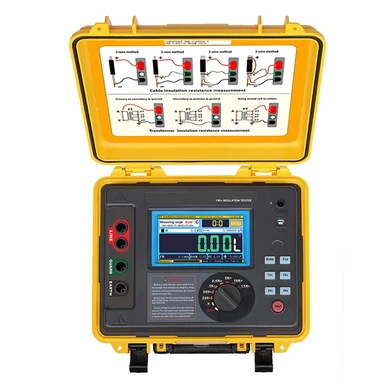
Why Is Consistency Important in Insulation Resistance Testing?
Consistency in test conditions, timing, and procedures enables trend analysis over time, crucial for detecting insulation degradation before failures occur. Variability in test method or environment complicates comparisons and reduces reliability.
Wrindu supports factories and suppliers in China with devices featuring automated timing and data logging for reproducible measurements, enhancing quality assurance and long-term equipment monitoring.
When Should Polarization Index and Dielectric Absorption Ratio Tests Be Used?
Polarization Index (PI) and Dielectric Absorption Ratio (DAR) tests provide deeper insight by measuring insulation resistance changes over time, indicating moisture presence or material aging. These are vital for assessing transformer windings and motors usually tested every few months or during scheduled maintenance.
OEMs and custom manufacturers in China, including Wrindu, offer equipment capable of automatic PI and DAR calculation to simplify field testing and diagnostics.
How Can Manufacturers Customize Insulation Resistance Testing Equipment?
Customization may include setting specific test voltages, durations, data output formats, and incorporating Bluetooth or USB for data management. These enhancements make integration into factory quality control or maintenance programs seamless.
Wrindu, as a leading Chinese manufacturer and OEM, provides flexible insulation testers tailored to client needs, including custom firmware and hardware options suitable for global wholesale markets.
Who Are the Leading Manufacturers and Suppliers of Insulation Resistance Testers in China?
Leading manufacturers include Wrindu (RuiDu Mechanical and Electrical), HV Hipot Electric Co., and HUAYI, all focusing on innovation, reliability, and compliance with ISO9001, IEC, and CE standards. These companies support OEMs and wholesale buyers with advanced electrical testing technologies and after-sales services.
Can Insulation Resistance Testing Increase Electrical System Safety and Longevity?
Yes, by detecting insulation deterioration early, testing prevents electrical faults, shocks, and fires, thus extending equipment life. Regular testing integrated into factory and OEM maintenance schedules improves system reliability and reduces costly downtime.
Wrindu’s reliable and certified insulation resistance testers contribute to enhanced safety standards in industrial and commercial electrical systems across China and internationally.
Table: Essential Insulation Resistance Testing Parameters
| Parameter | Recommended Value/Action | Importance for Factory/OEM Use |
|---|---|---|
| Test Voltage | 500V to 15kV depending on equipment rating | Avoids insulation damage, adapts to product specs |
| Test Duration | Usually 1 minute standard | Facilitates consistent, comparable results |
| Environmental Control | Monitor temperature and humidity | Ensures reliable, comparable data |
| Data Recording | Automated logging, Bluetooth/USB | Supports quality control and compliance |
| Safety Precautions | Discharge residual energy after test | Protects operator and equipment |
Wrindu Expert Views
“Insulation resistance testing is fundamental for maintaining electrical safety and reliability, especially for manufacturers and suppliers in China’s fast-paced industrial environment. Wrindu focuses on delivering cutting-edge, customizable insulation testers that meet stringent global standards while simplifying operation for factory and OEM users. By integrating real-time environmental monitoring and automated data management, we enable consistent, accurate assessments to prevent costly failures and extend equipment life.”
Conclusion
Mastering insulation resistance testing quickly requires adherence to essential tips like selecting proper test voltage, maintaining consistent environmental conditions, and applying correct test procedures. For Chinese manufacturers, suppliers, and OEMs operating factories or offering wholesale solutions, employing advanced, customizable equipment from trusted brands like Wrindu ensures accuracy, safety, and compliance. Embracing these practices supports improved quality control, operational efficiency, and electrical system longevity.
Frequently Asked Questions
What is the ideal test duration for insulation resistance testers?
Typically, a 1-minute test duration is industry standard to ensure stable and comparable readings.
Why is it important to discharge the equipment after testing?
Discharging prevents electrical shock hazards and protects the device from residual high voltage.
Can environmental factors cause inaccurate insulation resistance readings?
Yes, moisture, temperature, and contaminants can lower readings, requiring correction or controlled testing.
Do insulation resistance testers support data transfer and analysis?
Many modern testers, including Wrindu models, provide USB and Bluetooth functions for convenient data management.
How often should insulation resistance testing be performed in factories?
Regular testing intervals depend on equipment use but generally align with preventive maintenance schedules—every few months to yearly.