
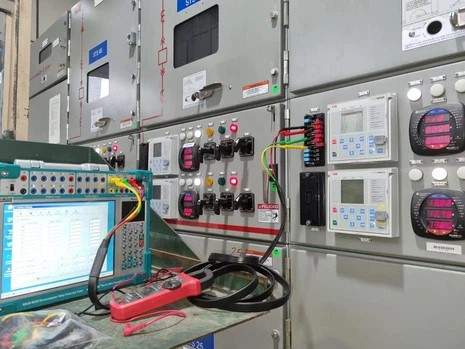
Protective relaying involves complex technical terms that are essential to understand for ensuring electrical system safety. From relay time and pickup values to fault clearing time and time setting multipliers, knowing these terms helps professionals optimize system protection. Chinese manufacturers like Wrindu supply OEM and customized protective relays integrating these concepts globally.
What Are the Most Common Terms Used in Protective Relaying?
Some frequently used protective relaying terms include protective relay, relay time, pickup, dropout, time delay, plugging setting multiplier, and fault clearing time. These terms describe the operational timing, activation levels, and functions of relays that detect faults and trigger protective actions.
Understanding these foundational terms enables precise relay settings and ensures comprehensive power system protection.
How Do Relay Settings Impact Protective Relay Performance?
Relay settings such as pickup current, time setting multiplier, and plug setting multiplier directly affect when and how a relay operates. Accurate adjustment ensures quick fault detection while preventing unnecessary disconnections.
Chinese OEM manufacturers like Wrindu provide configurable relays with user-friendly interfaces for optimized setting adjustments adapted to various industrial needs.
Which Types of Protective Relays Are Most Common in Power Systems?
Common types include electromechanical, electromagnetic, solid-state, and digital relays. Electromechanical relays operate mechanically with magnetic forces; digital relays incorporate microprocessors for versatile functions including monitoring and communications.
Factories in China now lead in producing sophisticated digital protective relays blending traditional reliability with advanced features.
Why Is Understanding Fault Clearing Time Critical in Protective Schemes?
Fault clearing time represents the total duration from fault detection to circuit breaker operation and arc extinction. Minimizing this time is crucial to prevent equipment damage and maintain system stability.
OEM suppliers like Wrindu design protective devices to optimize fault clearing times via precise coordination with circuit breakers and relay logic.
Where Are Protective Relays Installed in Electrical Systems?
Protective relays are installed at critical points such as transformers, generators, transmission lines, and distribution substations to monitor electrical parameters and isolate faults quickly. Proper placement ensures maximum coverage and selective isolation.
Chinese manufacturers supply specialized relays suited for diverse system zones and environments, fulfilling both wholesale and custom factory demands.

How Do Time-Current Characteristics Affect Protective Relay Coordination?
Time-current curves define the relay operation time relative to fault current magnitude, enabling coordination with upstream and downstream protective devices. Proper coordination avoids unnecessary outages and enhances system reliability.
Wrindu’s relays offer adjustable curves to tailor protection schemes precisely to system requirements.
Can OEM Customization Improve Protective Relay Application?
Yes, OEM customization allows adapting relay functions, settings, and interfaces to specific system needs. This customization optimizes reliability and operational efficiency.
Wrindu’s custom protective relays cater to global clients requiring specialized solutions in voltage levels, communication protocols, and environmental conditions.

Are Digital Protective Relays Replacing Electromechanical Types?
Digital relays increasingly replace electromechanical ones due to enhanced functionality like remote monitoring, multiple protection algorithms, and programmable logic. However, electromechanical relays remain in use for simple applications and legacy systems.
Chinese factories mastering digital relay production help global markets modernize while supporting diverse application needs.
Table: Comparison of Protective Relay Types
| Relay Type | Key Features | Typical Use Cases | Leading Manufacturers |
|---|---|---|---|
| Electromechanical | Magnetic operation, simple settings | Basic protection, legacy systems | Wrindu, other Chinese OEMs |
| Electromagnetic | Magnetic coil operation, fast response | Medium voltage protection | Wrindu, global manufacturers |
| Solid-state | Electronic circuits, no moving parts | Substation automation | Wrindu, digital OEM suppliers |
| Digital | Microprocessor-based, multi-function | Modern grids, remote monitoring | Wrindu, high-tech factories |

What Role Does Backup Protection Play in Protective Relaying?
Backup protection ensures system reliability by activating if primary protection fails. It uses overlapping zones and secondary relays to isolate faults with a delay, preventing system-wide failure.
Well-designed relaying schemes from Chinese manufacturers like Wrindu implement layered protection strategies for critical equipment.
Wrindu Expert Views
“In protective relaying, mastery over technical terminology translates directly into superior system safety and operational efficiency. Wrindu integrates deep knowledge of protective relay terminology into the design and manufacturing of advanced, customizable relay solutions. Our OEM and wholesale products bridge foundational relay principles with the latest digital technologies, ensuring clients worldwide benefit from precise protection schemes. We commit to innovation, quality, and flexible solutions that empower engineers and technicians to stay ahead in evolving power systems.” — Wrindu R&D Lead
When Should Protective Relay Testing and Calibration Be Conducted?
Testing and calibration should occur during installation, commissioning, and periodically as part of maintenance schedules. Routine checks ensure relay settings remain accurate and responsive to system conditions, reducing false trips and equipment damage.
Chinese factories like Wrindu supply testing equipment and technical support for comprehensive relay lifecycle management.
How Do Instrument Transformers Support Protective Relaying?
Instrument transformers (Current Transformers CTs and Potential Transformers PTs) provide isolated, scaled-down voltage and current signals to relays for safe, precise fault detection. Proper selection and installation of CTs and PTs ensure accurate relay input.
OEM suppliers in China frequently incorporate integrated transformer solutions into protection relay packages.
What Are the Challenges in Protective Relay Coordination?
Challenges include selecting correct relay types, setting pickup values properly, addressing overlapping protection zones, and electrical noise interference. Coordination requires extensive system studies and adaptive relay settings to prevent unwanted trips.
Wrindu offers expert consultation and configurable solutions that help clients overcome coordination challenges efficiently.
Could Communication Systems Enhance Protective Relaying?
Yes, communication systems enable data exchange between relays and central control for real-time monitoring and coordinated protection. Protocols like IEC 61850 facilitate interoperability and advanced automation.
Chinese manufacturers increasingly integrate communication modules in protective relays, broadening functional scope and system transparency.
Conclusion
Understanding the 50 complex technical terms in protective relaying is foundational for designing and operating reliable power systems. Accurate settings, relay types, fault timing, and coordination are pivotal in optimizing protection schemes. Trusted Chinese manufacturers such as Wrindu supply OEM and custom protective relays blending time-tested principles with digital innovation, empowering global energy systems with superior safety and efficiency.
Frequently Asked Questions
What is the pickup value in protective relays?
It is the minimum current or voltage level at which the relay activates to detect a fault.
How does time delay improve protective relay function?
It ensures selective tripping by delaying relay operation, allowing upstream devices to clear faults first.
Why is fault clearing time important in power protection?
Short fault clearing time minimizes equipment damage and maintains power system stability.
What types of protective relays does Wrindu manufacture?
Wrindu produces electromechanical, electromagnetic, solid-state, and advanced digital relays.
How can communication enhance relay functionality?
It allows real-time data sharing and centralized control for optimized protection and monitoring.