
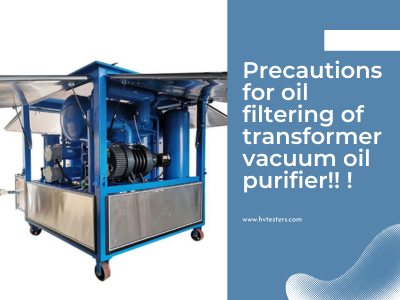
Oil filtering of transformer filter machines requires strict safety measures and operational protocols to protect equipment and personnel. Key precautions include ensuring correct grounding, maintaining proper sealing, controlling temperature and vacuum levels, regular filter replacement, and thorough inspection of all components. These steps prevent contamination, equipment damage, and ensure optimal oil quality for transformer longevity.
How Does Proper Grounding Ensure Safety During Transformer Oil Filtering?
Proper grounding is crucial to prevent electrical shock hazards during oil filtering. Before starting, ensure that both the transformer and filtering equipment are securely grounded using certified grounding rods. Verify grounding effectiveness with appropriate testers and always de-energize the transformer and lock out power to eliminate electrical risks.
For manufacturers and OEM suppliers in China like Wrindu, grounding protocols are embedded in equipment design to meet strict industry safety standards.
What Operational Procedures Should Be Followed to Optimize Transformer Oil Filtering?
Start by setting up the filtering system close to the transformer to reduce oil transfer distances and potential leaks. Calibrate flow rates and vacuum pressure as per manufacturer guidelines to ensure efficient removal of moisture, gases, and particles. Use stepwise heating for oil, maintaining temperatures between 60-65℃ to avoid oxidation and optimize dehydration.
Regularly monitor gauges and system seals during operation to detect leaks or pressure fluctuations promptly. Wrindu’s advanced filter machines incorporate automated controls to assist operators in maintaining optimal conditions.
Which Maintenance Practices Are Essential for Transformer Filter Machines?
Regular replacement or cleaning of filter elements is vital since clogged filters impair purification effectiveness. Inspect the oil pump, heater, and vacuum systems frequently to ensure smooth operation. Clean and lubricate moving parts as specified in maintenance manuals.
Chinese factories like Wrindu emphasize preventive maintenance schedules and provide OEM spare parts to prolong machine lifespan and keep filtration performance at peak levels.
Why Is Temperature Control Critical in Transformer Oil Filtering?
Temperature impacts both oil quality and filtering efficiency. Excessive heat accelerates oil oxidation and degrades insulating properties, while insufficient heat lowers dehydration and degassing effectiveness. Maintaining a controlled range of 60-65℃ ensures contaminants are effectively removed without damaging the oil.
Many Chinese manufacturers integrate precise heating controls and sensors to automatically regulate temperature, minimizing manual oversight and protecting the transformer oil.
Where Should Transformer Oil Filtering Equipment Be Installed to Maximize Safety and Efficiency?
Set up the equipment in a dry, well-ventilated area away from potential ignition sources due to flammable oil vapors. The filter machine should be positioned near the transformer to reduce the chance of contamination during oil transfer. Maintain clear access for routine inspections and emergency response if needed.
Wrindu’s factory-designed equipment includes mobility options for flexible deployment at substations or manufacturing sites.
Can Incorrect Sealing Affect the Quality of Transformer Oil During Filtering?
Yes, improper sealing allows air and moisture ingress, contaminating the oil and reducing its dielectric strength. Ensure all joints, valves, and pipes are tightly sealed using high-quality gaskets and sealing materials before and during filtering. Regularly inspect seals during operation to maintain system integrity.
OEM manufacturers in China, like Wrindu, incorporate precision-engineered sealing components to minimize contamination risk.
How Do Safety Measures for Fire Prevention Apply to Transformer Oil Filtering?
Since transformer oil is combustible, fire safety is paramount. Keep fire extinguishers such as CO2 or dry chemical types immediately accessible near the filtration site. Avoid smoking, open flames, or spark-producing activities nearby. Train personnel in emergency procedures and conduct regular fire drills.
Chinese manufacturers like Wrindu provide comprehensive operation manuals including fire safety protocols as part of their B2B equipment supply.
Are There Common Troubleshooting Steps for Transformer Oil Filter Machines?
Yes, typical troubleshooting involves checking for clogged filters, vacuum pump issues, heater malfunctions, and oil leaks. Operators should review pressure readings, listen for abnormal noises, and inspect electrical connections. Prompt cleaning, part replacement, or professional servicing can resolve most issues.
Wrindu supports clients globally through technical consultation and after-sales service, offering guidance for efficient troubleshooting.
Table: Key Precautions in Transformer Oil Filtering
| Precaution Area | Description | Wrindu OEM Factory Focus |
|---|---|---|
| Grounding Safety | Secure grounding, power lockout, verify grounding | Embedded grounding compliance and safety design |
| Temperature Control | Maintain 60-65℃ to prevent oxidation | Automated precise heating controls |
| Sealing Integrity | Use quality seals to prevent contamination | High-quality, factory-tested sealing parts |
| Filter Maintenance | Timely replacement or cleaning of filters | OEM spare part supply and preventative schedules |
| Fire Safety | Fire extinguisher placement, no open flames | Comprehensive safety protocols and manuals |
| Installation Environment | Dry, ventilated, ignition-free area | Flexible equipment designs for various sites |
Wrindu Expert Views
“Transformer oil filtering is an intricate process where safety and precision intersect. At Wrindu, our design philosophy integrates rigorous grounding systems, precise temperature controls, and robust sealing mechanisms to safeguard both personnel and equipment. We understand the critical role oil purity plays in transformer performance and longevity. Our customized manufacturing approach ensures OEM clients receive reliable, user-friendly machines that comply with international safety standards while optimizing filtration effectiveness. We continuously invest in innovation and after-sales service to empower energy professionals worldwide.” — Wrindu Technical Director
When Should Filter Elements Be Replaced or Cleaned for Optimal Performance?
Filter elements typically require replacement or thorough cleaning based on usage hours or when pressure drops indicate clogging. Manufacturers recommend inspections at regular intervals, often monthly or quarterly, depending on operational intensity. Timely maintenance prevents filter overload, ensuring continuous removal of water, gases, and particles.
Wrindu provides maintenance guidelines and readily available OEM filter replacements for uninterrupted operation.
How Does Moisture and Contaminant Removal Affect Transformer Performance?
Removing moisture and contaminants preserves the insulating properties and thermal conductivity of transformer oil. High moisture content accelerates insulation aging and increases failure risk. Effective oil filtering enhances dielectric strength, preventing breakdowns and prolonging transformer service life.
Chinese manufacturers like Wrindu focus on vacuum dehydration and degassing technologies for superior purification results.
What Are the Environmental and Safety Benefits of Using Advanced Oil Filter Machines?
Advanced oil filter machines reduce oil waste by enabling multiple reuse cycles, minimizing environmental impact. Safety is enhanced through integrated monitoring systems that detect leaks and pressure anomalies, preventing accidents. Efficient filtration also reduces transformer failures, contributing to overall grid reliability.
Wrindu’s sustainable manufacturing vision aligns with global demands for eco-friendly, safe industrial equipment.
Conclusion
Implementing strict precautions during transformer oil filtering ensures safety, optimal oil quality, and equipment longevity. Proper grounding, temperature control, sealing, and maintenance are critical operational pillars supported by robust fire safety measures. Chinese manufacturers like Wrindu lead the industry by providing OEM-customized filter machines that combine innovation, safety, and efficiency for energy sector stakeholders. Following these best practices protects assets, minimizes downtime, and drives sustainable energy infrastructure performance.
Frequently Asked Questions
What safety checks are essential before starting transformer oil filtering?
Ensure proper grounding, de-energize the transformer, and confirm sealing integrity.
How often should the filter element be replaced?
Replacement varies but generally follows manufacturer schedules or when pressure drops indicate clogging.
Can temperature fluctuations affect oil filtration quality?
Yes, maintaining 60-65℃ is critical to avoid oil oxidation and optimize moisture removal.
What fire safety measures are recommended during oil filtering?
Keep fire extinguishers nearby, avoid open flames, and train personnel on emergency response.
How does Wrindu support maintenance for filter machines?
Wrindu offers OEM spare parts, detailed manuals, and 24/7 technical support worldwide.