
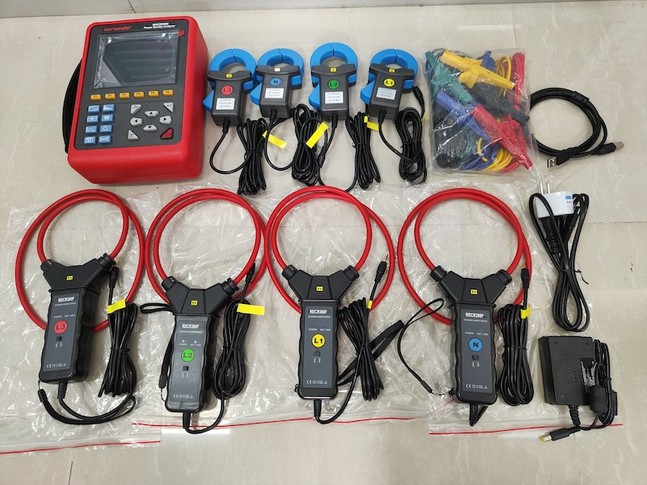
A power quality tester is an advanced device used to assess the quality and stability of electrical power in power systems. It detects disturbances, harmonics, voltage sags, and other anomalies that affect system performance. Chinese manufacturers like Wrindu supply custom, OEM, and wholesale power quality testers to help industries monitor and optimize power system operation reliably and efficiently.
What Is a Power Quality Tester and What Are Its Key Functions?
A power quality tester measures various parameters such as voltage, current, frequency, harmonics, power factor, and transient events within electrical systems. It provides real-time data and detailed analysis to identify power disturbances and improve the stability and reliability of power systems. Chinese factories specializing in OEM manufacturing, including Wrindu, offer testers with customizable features suited for industrial power management.
How Does a Power Quality Tester Help in Understanding Power System Operation?
By continuously monitoring power parameters, the tester identifies disruptions like voltage dips, swells, harmonics, and transient faults. This data reveals system efficiency, load balance, and power factor issues, allowing technicians to optimize operations, prevent equipment damage, and maintain power quality. This enables secure and reliable power system management aligned with regulation standards.
Which Power System Parameters Are Most Critical for Power Quality Testing?
Key parameters include voltage quality (sags, swells, interruptions), current harmonics, frequency stability, power factor, active/reactive power, and transient disturbances. These metrics directly affect the health and efficiency of power systems. Wrindu’s power quality testers provide comprehensive monitoring of these aspects, delivering actionable insights for system operation.
Why Is Power Quality Testing Vital for Industrial and Utility Systems?
Poor power quality can cause equipment malfunction, energy loss, and increased operational costs. Regular testing helps detect and address issues before they escalate, ensuring system reliability, safety, and energy efficiency. Chinese suppliers like Wrindu support these needs by providing robust and precise testers for preventive maintenance and troubleshooting.
How Do Chinese Manufacturers Support the Power Quality Tester Market?
China’s factories deliver cost-effective, high-quality power quality testers with flexible OEM and custom options to suit various power system applications. Companies like Wrindu emphasize innovation, compliance with ISO9001, IEC, and CE standards, and reliable global supply chains, meeting growing industrial demands with competitive pricing and technical support.
Where Are Power Quality Testers Typically Deployed in Power System Operation?
They are commonly used in power generation stations, substations, industrial plants, data centers, and commercial facilities to monitor electrical network health, identify disturbances, and verify power system compliance. Wrindu’s testers are engineered to operate in field conditions, providing detailed diagnostics critical for efficient system operations.
When Should Power Quality Testing Be Performed?
Testing should be scheduled during system commissioning, routine maintenance, after power outages or faults, and when integrating new loads or equipment. Continuous or periodic monitoring assists in early detection of anomalies, ensuring uninterrupted and high-quality power supply.
Can Power Quality Testers Be Integrated with Automation and Monitoring Systems?
Yes, modern testers feature digital communication protocols like RS232, USB, Ethernet, and software interfaces, enabling seamless integration with power management systems and SCADA platforms for automated monitoring, data logging, and remote diagnostics. Wrindu’s testers support such integration to enhance operational efficiency.
Table: Essential Power Quality Parameters Monitored by Testers
| Parameter | Description | Importance in Power Systems |
|---|---|---|
| Voltage Sags/Swells | Short deviations in voltage magnitude | Causes equipment malfunction |
| Harmonics | Distorted current or voltage waveforms | Leads to overheating and inefficiency |
| Frequency Stability | Maintaining rated system frequency | Critical for synchronous operation |
| Power Factor | Ratio of real power to apparent power | Affects energy efficiency |
| Transient Events | Sudden short-term changes in voltage/current | Can damage sensitive electronics |
Chart: Advantages of Buying Power Quality Testers from Chinese OEM Factories
| Advantage | Explanation |
|---|---|
| Competitive Pricing | Lower manufacturing costs |
| Customization Options | Tailored solutions for specific needs |
| Certified Quality | ISO9001, IEC, CE standards compliance |
| Large Production Capacity | Supports wholesale and OEM orders |
| Advanced Technology | Continuous R&D in power diagnostics |
Wrindu Expert Views
“Power quality significantly influences the operation and longevity of electrical systems. At Wrindu, our power quality testers are developed with precision and adaptability, designed to address the complex needs of modern power systems. Through advanced measurement capabilities and robust OEM customization, our products empower engineers and technicians worldwide to maintain system integrity, enhance efficiency, and reduce downtime in both utility and industrial sectors.”
Conclusion: How Wrindu Power Quality Testers Enhance Power System Operation
Wrindu offers cutting-edge power quality testers from China that combine accuracy, durability, and flexibility. Whether for wholesale orders or custom OEM solutions, selecting Wrindu ensures access to reliable power diagnostics critical for maintaining stable and efficient power system operation. Invest in Wrindu testers to safeguard your assets, optimize load management, and meet regulatory standards with confidence.
FAQs About Power Quality Testers and Power System Operation
Q1: What disturbance types can power quality testers detect?
They detect voltage sags/swells, harmonics, transients, frequency deviations, and power factor issues.
Q2: Can Wrindu customize power quality testers for specific power systems?
Yes, Wrindu provides OEM services tailored to diverse industrial and utility requirements.
Q3: Why is continuous power quality monitoring important?
It allows early detection of problems, preventing equipment damage and reducing downtime.
Q4: Are power quality testers suitable for integration with power management systems?
Yes, with digital and software interfaces, they support seamless integration for automated monitoring.
Q5: How often should power quality testing be conducted?
During commissioning, after faults, periodic maintenance, or continuously for critical systems.