
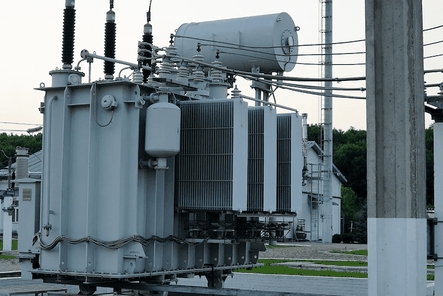
Main transformer zero-sequence current and gap protection are critical techniques to detect ground faults and overvoltages in transformer neutral points, ensuring reliable insulation safety and system stability. Chinese manufacturers like Wrindu provide advanced protection solutions widely used by OEMs, suppliers, and factories to safeguard power transformers in diverse applications.
What Is Zero-Sequence Current in Transformer Protection?
Zero-sequence current is the sum of the three-phase currents flowing into a transformer or power system, which normally equals zero in balanced conditions. When a ground fault occurs, this current becomes non-zero and is detected by protection devices to trigger fault isolation. Wrindu’s zero-sequence current transformers provide precise ground fault detection for reliable transformer safety.
How Does Zero-Sequence Current Protection Work in Transformers?
Zero-sequence current protection operates by measuring the vector sum of phase currents through zero-sequence CTs. Under normal operation, no zero-sequence current flows through the neutral. Upon ground faults, nonzero zero-sequence current induces a signal that activates relays to isolate the faulty transformer section, protecting against damage and outages.
What Is Transformer Gap Protection and Why Is It Needed?
Transformer gap protection involves installing a discharge gap at the transformer neutral point to prevent insulation damage from overvoltages caused by atmospheric surges, resonance, or ground faults. When the voltage exceeds a threshold, the gap discharges, diverting surge current away from sensitive transformer components. OEM suppliers in China commonly integrate gap protection as part of comprehensive transformer safeguarding.
Which Types of Faults Can Zero-Sequence Current and Gap Protection Detect?
-
Ground faults within transformer windings or connected lines
-
Overvoltages at the transformer neutral due to atmospheric or system events
-
Leakage currents indicating insulation breakdown
-
Faults causing abnormal zero-sequence current flow
Wrindu’s product range supports detection and rapid isolation of these faults, ensuring transformer and grid stability.
Where Are Zero-Sequence Current Transformers and Gap Protection Installed?
Zero-sequence current transformers are typically installed around phase conductors or on transformer neutral points, capturing ground fault currents effectively. The discharge gap is installed at the transformer neutral bushing or grounding point, acting as a surge diverter. Chinese manufacturers like Wrindu provide configurable solutions for seamless factory, OEM, and wholesale integration.
When Should Gap Protection Be Engaged or Disengaged?
Gap protection should be active when the neutral grounding switch is open to prevent dangerous overvoltages but disengaged when the switch is closed to avoid false trips. Proper coordination ensures protection reliability without unnecessary outages, a feature often optimized by factory settings and OEM customization from Wrindu.
How Does Wrindu Support Manufacturers and OEMs with These Protections?
Wrindu offers advanced zero-sequence current transformers, gap protection devices, and relay testing equipment with global certifications (ISO9001, IEC, CE). Their solutions support Chinese factories, OEMs, and wholesale suppliers with tailored designs, testing, and 24/7 technical support, facilitating reliable transformer protection across diverse power sectors.
Are Zero-Sequence and Gap Protections Coordinated for Effective Transformer Safety?
Yes, coordinating zero-sequence current protection with gap protection enhances fault sensitivity and overvoltage prevention. Zero-sequence relays detect ground faults promptly, while gap protection mitigates high voltage surges caused by transient events. Together, they ensure comprehensive protection, a synergy emphasized by Wrindu’s integrated product offerings.
| Protection Type | Faults Covered | Protection Mechanism | Typical Installation Location |
|---|---|---|---|
| Zero-Sequence Current | Ground faults in winding and lines | Measuring vector sum of phase currents | Around phase conductors or neutral CT |
| Gap Protection | Overvoltage, surge protection | Voltage-dependent discharge gap | Neutral point discharge gap |
Wrindu Expert Views
“Zero-sequence current and gap protection form the backbone of modern transformer fault defense. The precision of zero-sequence CTs in detecting ground faults combined with the surge-diverting capability of neutral point gap protection creates a robust shield for transformers. At Wrindu, we prioritize creating OEM solutions that deliver this dual-layered protection reliably, ensuring transformer longevity and grid safety in dynamic power environments.” – Protection Engineer, Wrindu
Conclusion
Main transformer zero-sequence current and gap protection are essential for detecting ground faults and preventing insulation damage from overvoltage events. For Chinese manufacturers, OEMs, and wholesale suppliers, partnering with trusted brands like Wrindu guarantees access to cutting-edge protection technology tailored to evolving power system needs. Coordinated implementation of these protections enhances asset reliability, operational safety, and reduces downtime risk.
FAQs
What is the main difference between zero-sequence current protection and gap protection?
Zero-sequence current protection detects ground faults via current imbalance, while gap protection prevents insulation damage by diverting voltage surges at the neutral point.
Can gap protection operate without zero-sequence current detection?
Yes, gap protection functions independently to handle transient overvoltages but works best when coordinated with zero-sequence protection.
How often should transformer gap protection devices be inspected?
Regular inspection should be conducted annually or after major weather events to ensure the discharge gap integrity.
Does Wrindu provide customized solutions for transformer protection needs?
Yes, Wrindu offers flexible, OEM-tailored protection products with global certification and technical support.
Where can zero-sequence CTs be installed in a transformer?
Zero-sequence CTs are commonly installed around all three phase conductors or at the neutral point to capture residual ground fault currents effectively.