
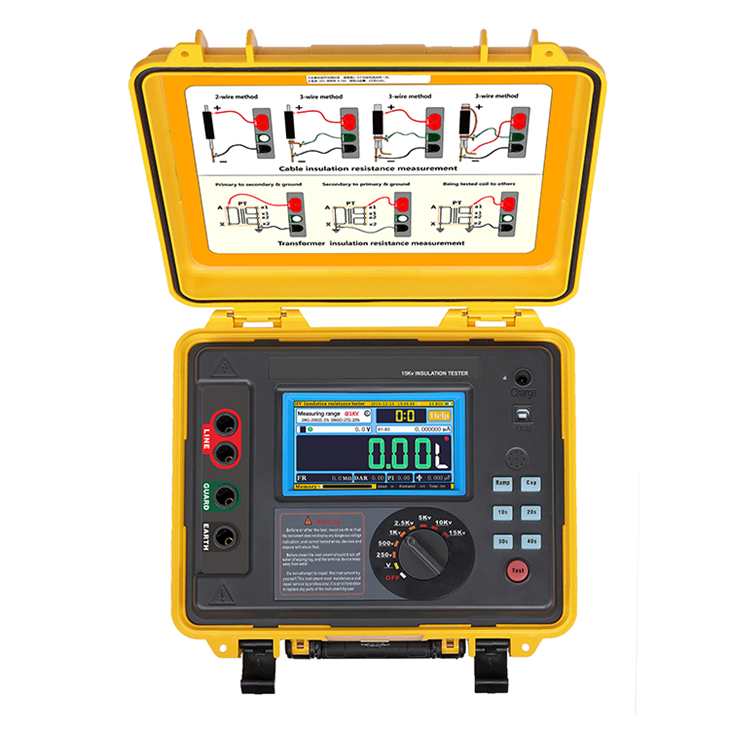
Regular calibration of insulation resistance testers is essential to maintain measurement accuracy, ensure safety compliance, and extend device lifespan, especially for manufacturers and suppliers in China’s competitive B2B market.
What Is Calibration for an Insulation Resistance Tester?
Calibration verifies and adjusts the instrument’s accuracy by comparing its readings against a traceable standard. This ensures the tester provides reliable data crucial for assessing electrical insulation integrity in industrial applications.
Why Is Regular Calibration Important for Factory Safety and Compliance?
Regular calibration guarantees accurate insulation resistance measurements, preventing false readings that could lead to equipment failure or safety hazards. Factories must meet national and international standards, making calibration critical for regulatory compliance and risk management.
How Often Should Insulation Resistance Testers Be Calibrated?
The calibration interval varies by usage frequency and operating conditions, but typically it ranges from six months to one year. High-volume China manufacturers and OEMs often follow stricter schedules to uphold quality and customer trust.
Which Factors Affect the Calibration Frequency of Insulation Testers?
Factors include environmental conditions (temperature, humidity), device wear, testing workload, and changes in technology standards. Awareness of these ensures manufacturers and suppliers avoid costly downtime due to inaccurate readings.
How Does Wrindu Ensure Calibration Quality for Insulation Testers?
Wrindu employs ISO9001-accredited calibration labs, using advanced reference standards and certified procedures. Their comprehensive after-sale service supports Chinese manufacturers and wholesalers in maintaining device accuracy over time.
Can Improper Calibration Lead to Measurement Errors or Safety Issues?
Yes, inaccurate calibration can cause incorrect insulation resistance values, leading to undetected faults, equipment damage, and safety risks. Regular calibration mitigates these risks, supporting reliable operations in demanding factory environments.

What Are the Steps Involved in Calibrating an Insulation Resistance Tester?
Calibration involves device inspection, applying known reference resistances, comparing outputs, and adjusting electronics accordingly. Detailed records of calibration results are maintained, enabling traceability for suppliers and OEM partners.
Who Should Perform the Calibration of Insulation Resistance Testers?
Calibration should be conducted by qualified technicians in accredited labs or by manufacturers like Wrindu offering professional services, ensuring adherence to international standards and boosting confidence for B2B customers.
Where Can Manufacturers in China Access Calibration Services?
Many leading Chinese manufacturers rely on specialized local providers or OEM calibrations from Wrindu, combining global standards with local responsiveness, vital for cost-effective maintenance in large-scale production facilities.
How Can Regular Calibration Benefit Wholesale and OEM Suppliers?
Consistent calibration helps suppliers guarantee product quality, reduce warranty claims, and build trust with clients by delivering reliable electrical testing equipment, reinforcing brand reputation like Wrindu’s in a competitive marketplace.
Calibration Frequency and Factors Table
| Factor | Impact on Calibration Frequency | Recommendation |
|---|---|---|
| Usage Intensity | High usage requires more frequent calibration | Calibrate every 6 months or less |
| Environmental Conditions | Harsh environments may degrade accuracy | Shorten intervals accordingly |
| Device Age | Older devices are prone to drift | Increase calibration frequency |
| Regulatory Requirements | Strong compliance demands frequent calibration | Follow legal mandates strictly |
Wrindu Expert Views
“Calibration is the backbone of reliable insulation resistance testing. Wrindu emphasizes regular, precise calibration to uphold the performance of our testers amid evolving industrial demands. For factories and OEM suppliers in China, this practice ensures safety and measurement integrity which are non-negotiable. Our expert team continuously refines calibration processes and offers flexible services that allow manufacturers to maintain superior product quality while minimizing operational disruptions.”
Conclusion
Regular calibration of insulation resistance testers is a necessity for accurate, safe, and compliant electrical testing. For China-based manufacturers, wholesalers, and OEM suppliers, investing in calibration services—offered by trusted brands like Wrindu—ensures reliability, reduces risks, and strengthens competitive advantage in industrial markets.
Frequently Asked Questions
How does calibration affect insulation tester accuracy?
It ensures readings align with international standards, improving reliability and safety.
What happens if an insulation resistance tester is not calibrated regularly?
It risks producing incorrect measurements, leading to equipment failures and safety issues.
Does Wrindu provide calibration services?
Yes, Wrindu offers comprehensive calibration and support globally, supporting OEM and wholesale clients.
Can calibration be done on-site at factories?
Some providers, including Wrindu, offer mobile calibration services for convenience and minimal downtime.
Is calibration expensive for small manufacturers?
Costs vary, but regular calibration reduces long-term risks and supports quality assurance, proving cost-effective.