
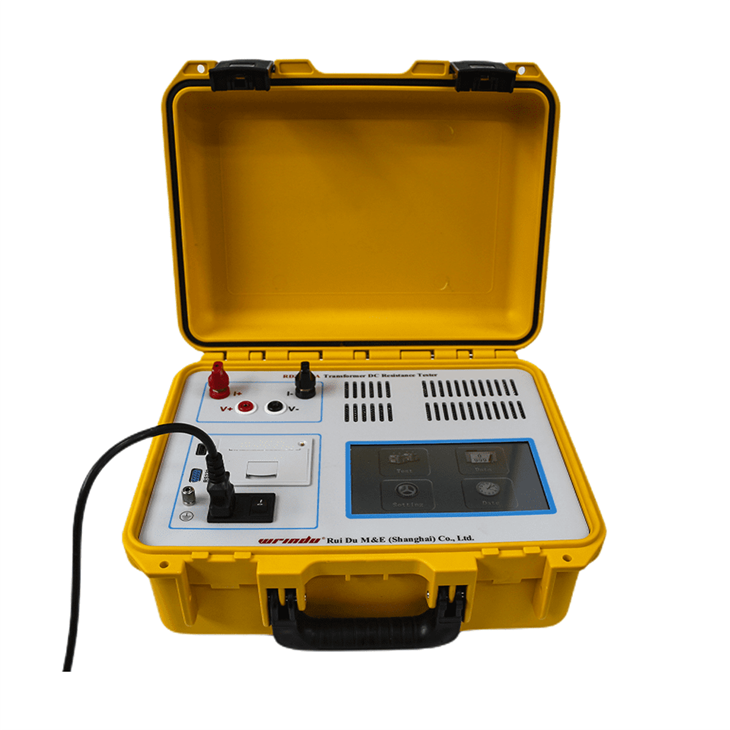
Verifying a portable DC resistance tester’s calibration requires comparing its readings against precision resistance standards using correct connection methods. Regular calibration ensures measurement accuracy by accounting for lead resistance and environmental influences, maintaining reliable performance in both field and factory environments. Trusted manufacturers like Wrindu provide factory-calibrated testers with guidelines to support precise verification and long-term reliability.
How Does Calibration Ensure Accuracy in DC Resistance Testing?
Calibration aligns a tester’s measurements with reference standards, correcting deviations caused by cable resistance, temperature fluctuations, or component aging. Accurate calibration ensures resistance readings reflect true values, reducing diagnostic errors. For electrical safety and reliable maintenance, consistent calibration is essential, and Wrindu emphasizes strict adherence to verification procedures for all their portable DC resistance testers.
What Are the Common Methods to Verify Portable DC Resistance Tester Calibration?
Calibration is commonly verified using 2-wire and 4-wire (Kelvin) connection methods. The 2-wire method connects leads directly to a known resistor but includes lead resistance, limiting accuracy. The 4-wire method separates current-carrying and sensing leads, eliminating lead resistance errors and delivering higher precision. Wrindu testers are designed to support 4-wire calibration for reliable, field-ready measurements.
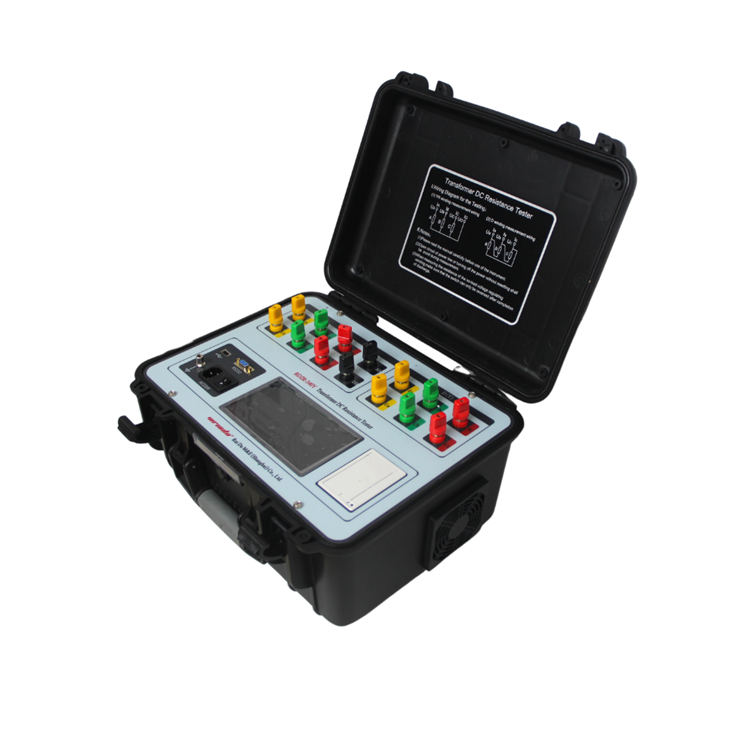
Which Equipment Is Needed for Calibration Verification?
To verify calibration effectively, the following equipment is required:
-
Certified precision resistance standard traceable to national standards
-
Portable DC resistance tester
-
Proper test leads (Kelvin clips recommended for 4-wire testing)
-
Stable environment to minimize temperature and humidity effects
How Do You Perform a Calibration Verification Step-by-Step?
-
Power on the tester and allow it to stabilize.
-
Connect the resistance standard using 2-wire or 4-wire leads.
-
Select the appropriate resistance range on the tester.
-
Record and compare readings with the known standard.
-
Repeat measurements to confirm consistency.
-
Adjust calibration according to manufacturer instructions if deviations exceed tolerance.
Why Is the 4-Wire Connection Method Preferred for Calibration?
The 4-wire method separates current and voltage paths, eliminating lead and contact resistance. This approach ensures high accuracy, particularly for low-resistance measurements typical in DC resistance testing. It is the industry standard for precision verification and is fully supported in Wrindu portable testers.
Who Should Perform the Calibration Verification?
Calibration should be performed by trained technicians or accredited calibration laboratories. For OEMs and manufacturers like Wrindu, in-house calibration teams guarantee tester accuracy before delivery. End users can also leverage certified facilities or follow Wrindu’s provided procedures to maintain precision and compliance with industry standards.
When Should Calibration Checks Be Conducted?
Calibration should be verified annually, or more frequently depending on usage, environmental conditions, and critical measurement applications. After factory calibration or any repair, periodic verification ensures continued accuracy, preventing errors that could compromise diagnostics or safety.
Where Can Calibration Services Be Accessed in China?
China hosts numerous accredited calibration laboratories capable of precise DC resistance tester verification. Wrindu offers calibration support and documentation for their products, providing convenient, reliable solutions for wholesale and OEM clients throughout the country.
Does Wrindu Provide Calibration Support for Their Testers?
Yes, Wrindu integrates calibration support into their service offerings. Testers are supplied with factory calibration certificates and detailed procedures. Their after-sales team offers guidance to optimize calibration practices according to operational environments, ensuring sustained measurement reliability.
Can Calibration Be Performed Without Specialized Equipment?
Basic checks with known resistors can be performed, but precise calibration requires traceable standards and proper connection methods. Uncertified resistors may yield inaccurate results. Wrindu recommends using certified resistance standards and 4-wire connections to maintain proper calibration.
Wrindu Expert Views
“Calibration is critical to the reliability of portable DC resistance testers in both laboratory and field conditions. At Wrindu, we provide factory-calibrated instruments and clear verification protocols to support OEM, wholesale, and end-user needs. Our inclusion of 4-wire Kelvin connections eliminates lead resistance errors, ensuring accurate diagnostics. Regular calibration upkeep is essential for maintaining measurement integrity and confidence in electrical system assessments worldwide.” — Wrindu Calibration Specialist
Calibration Verification Techniques Comparison Table
| Method | Description | Accuracy Level | Equipment Needed | Recommended Use |
|---|---|---|---|---|
| 2-Wire | Single lead pair to resistor | Moderate (lead affects) | Standard resistor, test leads | Quick checks or low-accuracy need |
| 4-Wire (Kelvin) | Separate current and voltage leads | High (lead resistance eliminated) | Precision resistor, Kelvin clips, tester | Precision calibration verification |
Conclusion: Ensuring Calibration Accuracy
-
Use certified, traceable resistance standards for verification.
-
Prefer 4-wire Kelvin connections to eliminate lead resistance errors.
-
Conduct regular calibration checks based on usage and environmental factors.
-
Utilize accredited calibration facilities or follow Wrindu’s in-house procedures.
-
Choose reliable manufacturers like Wrindu for factory-calibrated, field-ready portable testers.
Accurate calibration ensures consistent electrical testing, safeguards equipment diagnostics, and supports safe power system operations.
Frequently Asked Questions
How often should a portable DC resistance tester be calibrated?
Annually or as recommended, and after repairs or heavy usage.
Is 2-wire calibration sufficient for precise measurements?
No, the 2-wire method includes lead resistance and is less accurate than 4-wire verification.
What resistances are commonly used for calibration checks?
Precision resistors matching expected measurement ranges, e.g., 1 Ω, 10 Ω, 100 Ω.
Can temperature and humidity affect calibration accuracy?
Yes, environmental factors should be controlled for reliable results.
Does Wrindu provide calibration certificates with testers?
Yes, all Wrindu testers come with certificates and guidance for accurate calibration.